
Pests and Diseases
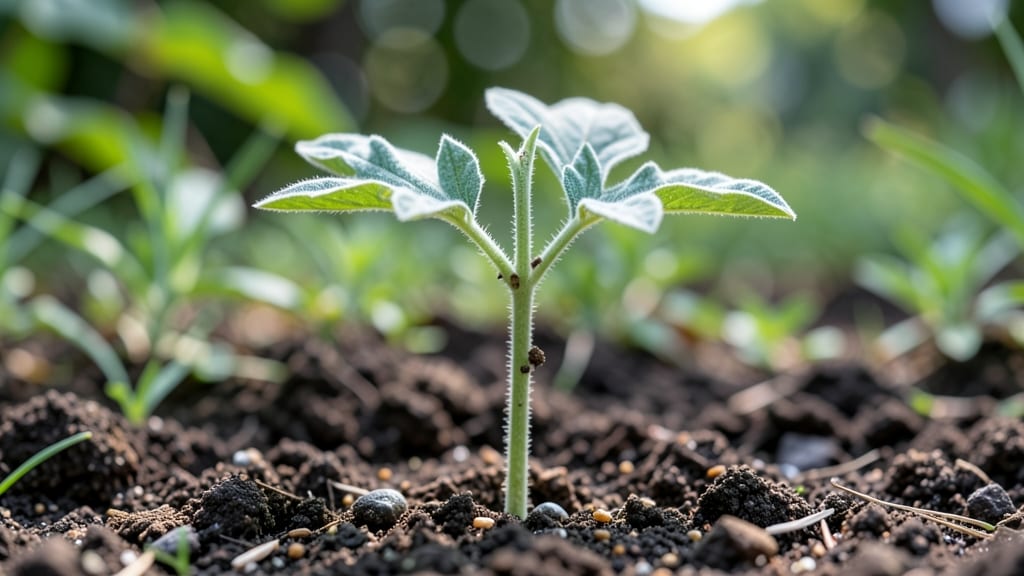
Those first tiny sprouting poppy leaf identification can look scarily similar to weeds—especially when they're just sprouting. 🌱 I’ve spent years distinguishing safe poppies from toxic lookalikes, and the key is in the leaf shape, color, and vein patterns.
One wrong ID could mean losing a plant you love (or worse, mistaking it for something dangerous). Poppy seedlings start with two rounded, blue-green leaves that grow close together, while weeds like lambsquarters or purslane have jagged edges or more irregular shapes.
The veins on poppy leaves are smooth and parallel, not the webby pattern you’d see on a weed. If you’re still unsure, snap a photo and compare it to a trusted guide—better safe than sorry.
By week three, the leaves develop lobes and a silvery sheen, making them easier to spot. But those early stages? That’s where most gardeners trip up. I’ve seen beginners pull out perfectly good poppy seedlings because they looked like "just another weed."
If you’re still stuck, try growing poppies in containers first—they’re easier to monitor, and you can move them away from other plants that might cause confusion. When in doubt, consult your local extension office or a gardening forum. Better to ask than to risk it.
📚 In This Guide
- What you need
- Instructions
- Tips and common mistakes
- Wrapping up and next steps
What you need
- ● Fresh or dried poppy leaves: Ensure they’re from a controlled source (e.g., a garden, nursery, or trusted supplier) for accurate identification. Quantity: 5–10 leaves (fresh) or 3–5 dried samples.
- ○ Hand lens or magnifying glass: A 10x magnification lens helps examine fine details like leaf texture, vein patterns, and seed pods. Optional: A digital microscope for high-resolution images.
- ● Field guide or identification app: Printed guide: A regional wildflower or weed identification book (e.g., Peterson Field Guide to Wildflowers).
- ● Digital tools: Apps like iNaturalist, PictureThis, or PlantNet for instant comparisons.
- ● Notebook and pen: For recording observations like leaf shape, color, and growth patterns.
- ● Ruler or measuring tape: To document leaf size (e.g., 1–3 inches long for poppy leaves).
- ○ Gloves (optional but recommended): Nitrile or latex gloves to handle plants safely, especially if identifying toxic lookalikes like Argemone (prickly poppy).
- ● Camera or smartphone: Capture high-resolution images of the leaf underside, stems, and seed pods for later reference.
- ● UV flashlight: Some toxic plants (like Argemone) fluoresce under UV light—great for distinguishing them from safe poppies.
- ● pH test kit: Soil pH can influence plant growth; poppies thrive in pH 6.0–7.5.
- ● Reference samples: Pre-identified poppy leaves (e.g., Papaver somniferum or Papaver rhoeas) for direct comparison.
- ● Local botanist or extension service contact: For expert verification if you’re unsure about your findings.
Instructions for identifying sprouting poppy leaves
Here’s how to tell safe poppy varieties from toxic lookalikes before they bloom.
🌱 Step 1: Examine Leaf Shape and Arrangement
Start by checking the leaf structure—this is your first clue. Safe poppy varieties like California poppy (Eschscholzia californica) have finely divided, fern-like leaves that grow in a rosette pattern close to the ground. The leaflets are thin, almost papery, and arranged alternately along the stem.
Toxic lookalikes, such as opium poppy (Papaver somniferum), have broader, lobed leaves that feel slightly leathery to the touch. Their leaves grow in a more clustered formation, often with a waxy sheen. If the leaves are thick and deep green with prominent veins, proceed with caution.
🌿 Step 2: Check Stem and Growth Habit
The stem of a safe poppy variety is typically slender and hairless, with a slight woody texture as it matures. The plant grows in a low, spreading habit, rarely exceeding 12-18 inches in height. Look for a slightly fuzzy or silvery appearance on the stems—this is common in non-toxic species.
Toxic poppies, on the other hand, often have thicker, more rigid stems that stand upright. The growth habit is more vertical, and the plant may develop a milky sap when broken. If you see a tall, sturdy stem with deep green leaves and a glossy finish, this is a red flag.
✂️ Step 3: Inspect Flower Buds and Sap
Before the flowers fully open, examine the buds. Safe poppy varieties like Iceland poppy (Papaver nudicaule) have bright, vibrant buds that are often orange, yellow, or white. The buds are typically smooth and lack a sticky residue. If you gently squeeze a bud and see no sap, it’s a good sign.
Toxic poppies, including opium poppy, produce buds that may ooze a white or yellowish sap when damaged. The buds themselves are often more muted in color and may appear slightly swollen. If you notice a sticky residue or a strong, bitter scent, avoid handling the plant further.
🔍 Step 4: Verify Root and Soil Conditions
Gently lift the plant (if possible) to inspect the roots. Safe poppy varieties have fibrous, shallow roots that spread horizontally. The soil around them is usually well-draining and free of moisture retention issues. If the roots are sparse but healthy-looking, the plant is likely non-toxic.
Toxic poppies often have a more robust root system with thicker, taproots. The soil may appear denser or more compacted, and there might be signs of overwatering, such as yellowing leaves or mold. If the roots are thick and the soil feels soggy, this is a strong indicator of a toxic variety.
📝 Step 5: Cross-Reference with a Field Guide
Once you’ve assessed the leaves, stems, buds, and roots, compare your observations to a trusted field guide or online resource. Safe poppies like California poppy and corn poppy (Papaver rhoeas) are well-documented and easily identifiable. If your plant matches these descriptions, it’s likely safe.
For any uncertainty, avoid touching or consuming the plant. Toxic poppies can cause severe reactions, including dizziness, nausea, or even respiratory distress. When in doubt, consult a local botanist or extension service for verification before proceeding.
Tips & tricks for identifying sprouting poppy leaves
Real talk: Even experienced gardeners sometimes mix up poppy varieties. These key details will help you spot the differences with confidence.
Leaf Texture is Your First Clue: Safe poppy leaves like California poppy should feel almost delicate, like tissue paper. Run your fingers along the leaf edges—if they feel leathery or waxy (like opium poppy), that's your warning sign. I learned this the hard way after mistaking a waxy-leaved plant for a safe variety in my garden.
Sap Test for Safety: When inspecting buds, gently squeeze them between your fingers. Safe poppies won't release any sap, while toxic varieties often produce a milky or yellowish liquid. This simple test can prevent serious mistakes—always do it before assuming a plant is safe.
Growth Habit Matters: Pay attention to how the plant spreads. Safe poppies grow low to the ground in a spreading pattern, rarely exceeding 18 inches. Toxic varieties stand tall and upright, often with a single dominant stem. This vertical growth is a classic red flag you shouldn't ignore.
Soil Conditions Reveal All: Lift the plant carefully to check the roots. Safe poppies have fibrous, shallow roots spreading horizontally, while toxic varieties develop thick taproots. The soil around safe poppies should be well-draining and free of moisture issues—this is nature's way of telling you what's safe to handle.
Pro Tips for Sprouting Poppy Leaf Identification
- Real talk: Even experienced gardeners sometimes mix up poppy varieties.
- Leaf Texture is Your First Clue: Safe poppy leaves like California poppy should feel almost delicate, like tissue paper.
- Sap Test for Safety: When inspecting buds, gently squeeze them between your fingers.
Frequently asked questions
Got questions about sprouting poppy leaves and how to tell them apart from toxic lookalikes? You’re not alone! Here are some of the most common concerns—and clear answers to help you stay safe and confident in your identification.
How do I tell if my sprouting poppy leaves are safe to eat or a toxic lookalike?
Always check the entire plant, not just the leaves. Safe poppy varieties (like Papaver somniferum) have deeply lobed, gray-green leaves and milky sap when cut. Toxic lookalikes (e.g., Argemone species) often have smooth, waxy leaves with yellow sap—never consume if unsure!
How long does it take for poppy leaves to sprout and become edible?
Poppy leaves typically sprout within 5–10 days from seed, but they’re not fully edible until 3–4 weeks old. Young leaves (harvested before flowering) are the most tender and flavorful. Avoid harvesting when the plant is flowering—this is when opium alkaloids (including morphine) peak!
Can I grow poppy leaves indoors, and what’s the best light setup?
Yes! Poppy seeds thrive indoors with 6–8 hours of bright, indirect light daily. A south-facing window or grow lights (12–16 hrs/day) work best. Keep soil moist but well-draining—overwatering causes root rot, which stunts leaf growth. A humidity tray helps mimic outdoor conditions.
What should I do if I accidentally ingested a toxic poppy lookalike?
Seek immediate medical attention. Toxic lookalikes (like Argemone) can cause severe symptoms like nausea, vomiting, or even paralysis. Keep the plant sample for identification and do not induce vomiting unless instructed by poison control. Call your local poison center (1-800-222-1222 in the U.S.) right away.
Are there non-toxic alternatives to poppy leaves for cooking?
If you love the flavor but want to avoid risks, try these safe substitutes:
- Opium poppy-free herbs: Dill, parsley, or cilantro for a fresh, bright note.
- Fennel fronds: Adds a subtle licorice-like sweetness.
- Store-bought poppy seed paste: Check labels for Papaver somniferum (food-grade only).
Always verify sourcing to avoid cross-contamination with toxic species!
Wrapping up and next steps
Identifying sprouting poppy leaves—especially distinguishing toxic lookalikes from safe varieties—is a critical skill for gardeners and foragers alike. 🌱 By mastering key features like leaf shape, color, and growth patterns, you can confidently navigate your garden or wild spaces with peace of mind. Now that you’re equipped with the know-how, why not put it to use?
🌿 Next Steps:
- Test your skills: Grab a magnifying glass and inspect your poppy plants (or local wild varieties) to practice identification.
- Share the knowledge: Help fellow gardeners by spreading awareness about safe vs. unsafe poppy leaves in local gardening groups.
- Stay curious: Explore other edible plants in your area—many have surprising lookalikes hiding in plain sight!