
Leaf Blower
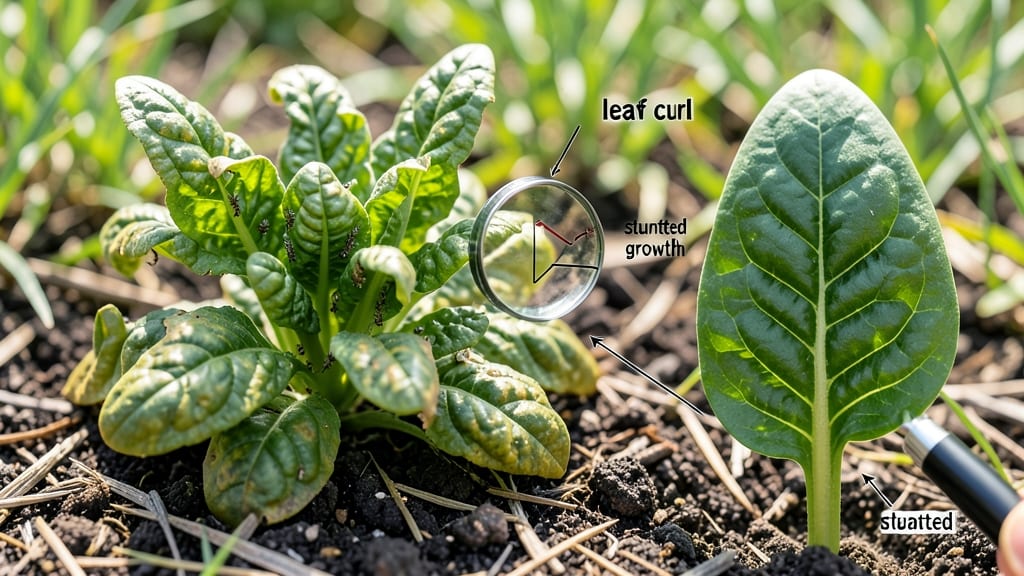
That crispy-edged spinach leaf curl with its curled leaves is no accident—it’s a battle between your plants and hidden invaders. 🌱 I’ve wrestled with this problem for years, and the copper spray cure saved my harvests when nothing else would.
This isn’t just about fixing the damage; it’s about stopping the cycle before your whole garden turns into a crunchy mess.
The culprits? Often aphids, viruses, or even just poor soil health. I learned the hard way that waiting to act turns a small issue into a full-blown disaster—your spinach will go from sad to sorry in weeks.
The good news? Copper spray doesn’t just mask symptoms; it kills the pests and fungi causing the curl, while also preventing crispy edges from spreading to healthy leaves.
By the time you’re done, your spinach will bounce back with tender, smooth leaves and a vibrant green color. No more sacrificing plants to the curl—just consistent, crispy-free harvests. The secret? Timing, technique, and a little copper magic. Let’s get those leaves looking fresh again.
Works for both home gardens and container growing, and it’s safe to use right up until harvest. Here’s how to make it work for your spinach patch—no more guesswork, just results.
Root Causes Of Leaf Distortion
When your spinach leaves start curling, puckering, or developing unsightly spots, it’s rarely just bad luck—it’s a cry for help from your plants. Understanding the why behind these symptoms is the first step to fixing them.
Below, we break down the most common culprits, backed by science, so you can diagnose and treat the issue like a pro. 🌱🔍
If your spinach is curling and you notice yellowing, stunted growth, or a mosaic-like pattern on the leaves, a virus could be to blame. The most common offenders include:
- Spinach Curly Top Virus (SCTV): Spread by beet leafhoppers, this virus causes severe leaf curling, upward cupping, and distorted growth. It thrives in warm, dry conditions and can completely ruin a crop if left unchecked.
- Turnip Mosaic Virus (TuMV): This virus attacks the plant’s vascular system, leading to leaf curling, yellowing, and reduced vigor. It’s often spread through contaminated seeds or sap from infected plants.
How to spot it: Look for crinkled, thickened leaves with a rough texture, often paired with stunted stems. Viruses are incurable, so prevention (like removing infected plants and controlling pests) is key.
Fungal pathogens love damp, humid conditions—and your spinach is a prime target. Two of the most damaging fungi causing leaf curl and spots are:
- Downy Mildew (Peronospora farinosa): This fungus thrives in cool, wet weather and causes yellow, curled leaves with a fuzzy, grayish growth on the undersides. It weakens the plant, reducing yield and quality.
- Alternaria Leaf Spot (Alternaria spp.): Dark, concentric spots with yellow halos appear on leaves, which then curl and wither. High humidity and poor airflow make your spinach a buffet for this fungus.
How to spot it: Check the undersides of leaves for mold or spore-like growth. Fungal diseases spread quickly, so act fast with copper-based sprays (like the one we’ll cover later) and improve airflow between plants.
Spinach is a nutrient hog, and when it doesn’t get enough of the right minerals, its leaves start to curl as a distress signal. The two biggest offenders are:
| Deficiency | Symptoms | Why It Happens |
|---|---|---|
| Nitrogen (N) | Leaves curl inward, turn yellow (chlorosis), and growth slows. Older leaves show signs first. | Spinach needs nitrogen for lush, green growth. If your soil is depleted or you’re not fertilizing regularly, the plant prioritizes survival over leaf expansion. |
| Potassium (K) | Leaf edges curl downward and develop brown, crispy spots. Weak stems and poor disease resistance follow. | Potassium regulates water and nutrient transport. Without enough, leaves can’t maintain turgor pressure, leading to curling and scorching. |
| Calcium (Ca) | Young leaves curl upward with distorted, cupped edges. Tips may die back. | Calcium is crucial for cell wall structure. If soil pH is too high or too low, or if organic matter is lacking, spinach can’t absorb enough. |
How to fix it: Test your soil and amend with balanced fertilizer (like 10-10-10) or targeted supplements (e.g., potassium sulfate for K deficiency). For calcium, use lime or gypsum.
Spinach is a cool-weather crop, and when conditions stray from its comfort zone, leaves curl as a survival tactic. Common triggers include:
- Extreme Heat or Cold: Temperatures above 85°F (29°C) or below 40°F (4°C) cause leaf curling. Heat stress leads to crispy, wilted edges, while cold stress results in yellowing and puckering.
- Water Stress:
- Drought Stress: Inconsistent watering causes leaves to curl inward to conserve moisture.
- Overwatering: Poor drainage leads to root suffocation, and leaves curl upward as a sign of distress.
- Wind or Physical Damage: Strong winds can physically curl young leaves, while hail or rough handling bruises them, leading to deformed growth.
How to prevent it: Provide consistent moisture (1–1.5 inches per week), use mulch to regulate soil temp, and protect plants from extreme weather with row covers or shade cloth.
Pro Tip: 💡 Keep a garden journal to track when symptoms appear. Note weather patterns, watering schedules, and pest activity—this helps you pinpoint the exact cause next time!
Fixing Warped Leaves Naturally
Now that you understand the causes behind spinach leaf curl—whether it’s viral infections, fungal attacks, or environmental stress—it’s time to take action. The good news? Many solutions are simple, cost-effective, and even preventative.
Below, we’ve matched the most common causes to their best fixes, so you can restore your spinach to its crisp, vibrant self.
🔥 Remove Infected Plants Immediately If your spinach shows signs of viral leaf curl—thickened, curled, or yellowed leaves—do not compost them. Viruses spread through sap and contaminated tools. Bag and discard infected plants to prevent further contamination.
🍳 Copper Spray for Prevention While copper sprays won’t cure viral infections, they boost plant immunity and may slow secondary infections. Mix a copper fungicide (like copper sulfate or copper hydroxide) with water (follow label instructions) and spray preventatively every 7–10 days during growing season.
👨🍳 Strengthen Future Crops
- Rotate crops: Avoid planting spinach in the same spot next year—viruses linger in soil.
- Use resistant varieties: Some spinach types (like 'Tyee' or 'Space') are less susceptible to viral curl.
🔪 Prune and Improve Airflow Fungal spores thrive in damp, crowded conditions. Thin out overgrown plants to allow sunlight and air to circulate. Remove any leaves touching the soil to reduce moisture buildup.
🌡️ Baking Soda Spray (Safe & Effective) Mix 1 teaspoon baking soda + 1 tablespoon vegetable oil + 1 teaspoon mild soap in 1 quart of water. Spray both sides of leaves every 5–7 days. This raises the leaf’s pH slightly, making it inhospitable to fungi.
✨ Neem Oil or Sulfur Spray For stubborn fungal growth, use neem oil (2 tsp per gallon of water + a drop of dish soap) or sulfur dust (early morning only). Reapply after rain. Test a small area first—some spinach varieties are sensitive.
🎯 Prevent Future Outbreaks
- Water at the base, not overhead (fungi spread via water droplets).
- Space plants 6–12 inches apart for better airflow.
- Avoid late-season planting—fungi thrive in cooler, wetter fall weather.
💡 Shade Cloth for Heat Stress If your spinach is curling from heat stress, provide 30–50% shade cloth during peak afternoon sun. This cools leaves without blocking all light.
🥗 Mulch to Retain Moisture Lay 2–3 inches of straw or grass clippings around plants to keep soil moist and roots cool. Avoid organic mulch if fungal issues are present.
🌱 Adjust Watering Practices
- Deep watering (1–2 inches per week) encourages strong roots.
- Avoid wetting leaves—use drip irrigation or soaker hoses.
- Morning watering prevents evening dampness that fuels fungi.
🔥 Soil Amendment for Nutrient Deficiency Test your soil—spinach needs rich, slightly acidic soil (pH 6.5–7.0). Add:
- Compost or aged manure (for organic matter).
- Balanced fertilizer (10-10-10) if leaves are pale (nitrogen deficiency).
- Epsom salt (1 tbsp per gallon) if magnesium is lacking (yellow edges).
To keep your spinach straight and crisp: ✅ Start with healthy seeds—buy from reputable suppliers. ✅ Practice crop rotation—don’t plant spinach in the same spot yearly. ✅ Monitor regularly—catch issues early with weekly inspections. ✅ Clean tools—sterilize pruners with rubbing alcohol between plants. ✅ Choose the right time—plant in early spring or late summer (avoid extreme heat).
Pro Tip: 💡 If your spinach is already curled, harvest the outer leaves first—they’re often less affected and still edible! Focus on saving the inner, younger growth for future harvests.
Frequently asked questions
Why does my spinach develop crispy edges along with curled leaves?
Crispy edges usually mean potassium deficiency or heat stress. Potassium helps regulate water in leaves—without enough, edges dry out and curl downward. For heat stress, temperatures above 85°F (29°C) cause leaf edges to crisp while leaves curl upward to reduce surface area. Try applying potassium sulfate or providing afternoon shade.
Can I still eat spinach with curled leaves?
Yes, but with caution! Mild curling from environmental stress (like wind or water fluctuations) rarely affects taste or safety. However, if leaves are thickened, yellowed, or spotted (signs of viruses/fungi), remove and discard them. Always harvest outer leaves first—they're often less affected and still edible while saving younger growth for future harvests.
How often should I apply copper spray for prevention?
Apply every 7–10 days during the growing season as a preventive measure. For active fungal issues, increase to weekly applications until symptoms disappear. Always spray early in the morning when leaves are dry to maximize effectiveness. Mix according to label instructions—typically 1 tablespoon copper sulfate per gallon of water.
Will removing curled leaves help my spinach recover?
Pruning affected leaves improves airflow and redirects the plant's energy to healthier growth. Cut leaves at the base with clean scissors, then sterilize your tools with rubbing alcohol. For viral infections, remove entire plants to prevent spread. This also encourages new, straighter leaves to develop from the center of the plant.
What's the best way to test for nutrient deficiencies in spinach?
Start with a soil test kit (available at garden centers for ~$20). For quick checks, examine leaf patterns: yellow between veins = nitrogen deficiency; brown crispy edges = potassium; cupped upward leaves = calcium. Adjust with compost (for organic matter), Epsom salt (magnesium), or lime (calcium) based on test results.