
Leaf Blower
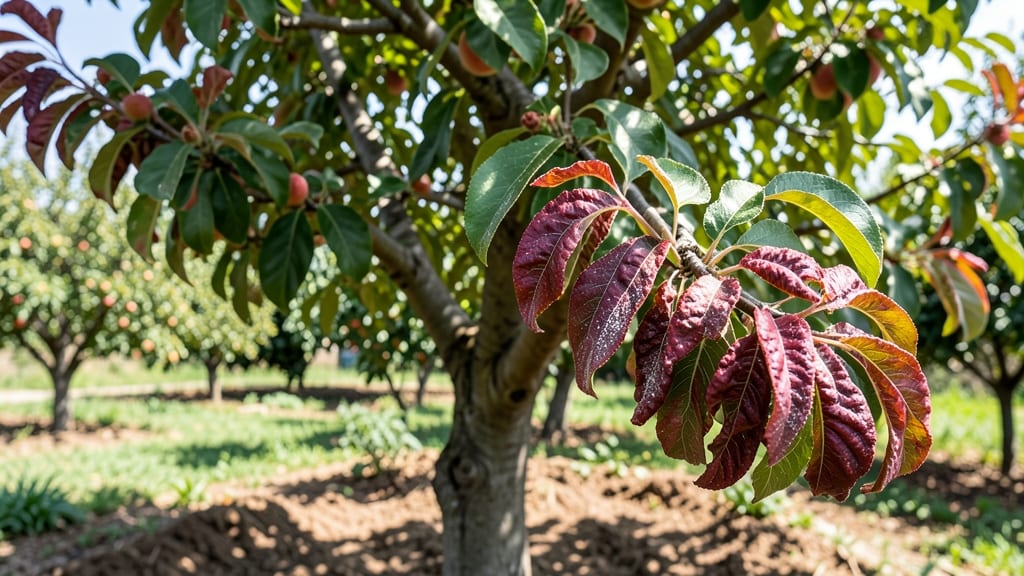
Your peach tree’s problems with leaf curl—those curled, puckered leaves—aren’t just ugly—they’re a fungus warning sign. 🌿 Peach leaf curl (Taphrina deformans) thrives in damp winters, turning fresh spring growth into thick, distorted messes.
The good news? Copper spray stops it fast when applied at the right time.
This isn’t just a cosmetic issue—infected leaves can’t photosynthesize properly, weakening your tree over time. I’ve seen trees recover fully after one dormant-season treatment, but you’ve got to act before buds swell in early spring.
The key is timing: apply copper spray in late fall or winter when the fungus is most vulnerable.
You’ll see new growth emerge smooth and green within weeks of treatment. The secret is consistency: prune out last year’s infected leaves before spraying, and repeat every year. Your tree will thank you with juicy peaches by summer.
Works for both organic and conventional growers—just adjust the copper concentration. Here’s how to do it right, step by step.
Root Causes Of Leaf Curl
Leaf curl in peach trees isn’t just an aesthetic nuisance—it’s a sign your tree is under stress from hidden threats. Understanding the why behind this problem is the first step to restoring your tree’s health.
Below, we break down the key culprits, backed by science, so you can take targeted action.
🍄 Taphrina deformans is the primary fungal pathogen responsible for peach tree leaf curl. This microscopic invader thrives in cool, wet springs (ideal conditions: 50–60°F with high humidity). Here’s how it works:
- Spores land on buds during dormancy (winter/early spring) and germinate as new leaves emerge.
- The fungus distorts cell growth, causing thickened, curled, and often red or purple leaves.
- Severity depends on timing: Early infections (pre-bloom) cause worse damage than late-season outbreaks.
Actionable clue: Check for tiny, dark, raised spots on curled leaves—these are fungal fruiting bodies (asci) releasing spores for next season.
🌡️ Extreme or inconsistent conditions weaken peach trees, making them vulnerable to curl. Common triggers include:
| Stress Factor | How It Causes Curl | Red Flags |
|---|---|---|
| Temperature swings | Rapid shifts (e.g., frost followed by warm spells) disrupt cell development. | Wilting or scorched new growth. |
| Water stress | Overwatering (compacted soil) or drought forces leaves to curl to reduce water loss. | Yellowing edges or dry, brittle leaves. |
| Poor drainage | Root suffocation from soggy soil starves leaves of nutrients. | Mushy soil or gnarled roots. |
| High winds | Physical damage to tender leaves, mimicking fungal symptoms. | Torn or irregular curl patterns. |
Pro tip: 💡 Mulch 2–3 inches deep with wood chips (not fresh sawdust) to regulate soil temp and moisture—this buffers stress.
📊 A peach tree’s leaves act like a nutritional report card. Curl often signals deficiencies in:
- Nitrogen (N): Leaves may curl upward with pale green/yellow veins (a sign of poor protein synthesis).
- Zinc (Zn): Causes little leaf syndrome—small, curled leaves with interveinal chlorosis (yellowing between veins).
- Magnesium (Mg): Leaves curl downward with brown patches (a classic sign of chlorosis).
Diagnostic trick: 🔍 Scrape a leaf’s underside. White crust = fungal infection. No crust + curled edges = likely nutrient issue.
🐜 While less common than fungi, pests like peach leaf curl mites or aphids can trigger curling by:
- Sucking sap, which disrupts leaf turgor (firmness).
- Injecting toxins that alter growth hormones (e.g., curled edges from aphid saliva).
- Transmitting viruses (e.g., peach mosaic virus), which cause stunted, curled leaves.
Spot the difference: Pest curl is often localized (e.g., only on new shoots) and accompanied by sticky honeydew or visible bugs.
✂️ Aggressive or improper pruning in late winter/early spring can stimulate weak, curled growth by:
- Removing too many buds (reducing energy reserves for healthy leaves).
- Creating wounds that invite fungal spores to colonize.
- Disrupting the tree’s natural airflow, trapping moisture and spores.
Fix it: 🌿 Prune only in late winter (before buds swell) and avoid heavy cuts—focus on removing dead wood and crossing branches.
Quick Fixes for Peach Tree Leaf Issues
Peach trees are a garden’s sweet reward—but when those lush leaves start curling, puckering, or turning unsightly, it’s time to act fast. The good news? Most leaf curl problems have simple, effective solutions.
Below, we’ve mapped out practical fixes for common causes, from fungal infections to environmental stressors, plus prevention tips to keep your tree thriving.
If your peach tree’s leaves are curling and covered in a grayish-white fuzz (a dead giveaway for peach leaf curl disease), copper-based sprays are your best defense.
🔥 Step 1: Choose the Right Spray
Use a copper fungicide (like copper sulfate or copper hydroxide). Organic options work too—just ensure they’re labeled for fruit trees. Avoid homemade remedies (like milk or baking soda), as they’re less effective for severe infections.
👨🍳 Step 2: Apply at the Right Time
- Preventive spray: Apply before bud swell in late winter or early spring (when leaves aren’t fully open).
- Treatment spray: If you catch it early, reapply every 7–10 days until new leaves form.
- Post-infection: If leaves are already curled, prune and destroy infected branches (don’t compost them!) to stop the spread.
🌡️ Step 3: Follow Up with Care
- Water at the base (avoid wetting leaves to prevent fungal spread).
- Remove fallen leaves from under the tree to reduce spores.
- Thin the canopy slightly for better airflow—fungi love humidity!
✨ Pro Tip: Mix copper spray with a sticker spray (like horticultural oil) to help it adhere better to leaves.
Curling from heat, drought, or wind? Your tree might just need a little TLC.
💡 Fix 1: Water Deeply & Consistently
- Check soil moisture—stick your finger 2 inches down. If it’s dry, water deeply 1–2 times per week (not daily light watering).
- Mulch around the base (2–3 inches of wood chips or straw) to retain moisture and regulate temperature.
🌡️ Fix 2: Shield from Harsh Conditions
- Wind damage? Wrap young trees in tree guards or use burlap screens during storms.
- Too much sun? If leaves curl in afternoon heat, provide light shade (like a cloth shade cloth) for a few weeks.
🎯 Fix 3: Feed the Right Way
- Avoid high-nitrogen fertilizers (they encourage leafy growth but weaken roots). Instead, use a balanced 10-10-10 or 6-6-6 in early spring.
- Add compost around the drip line for slow-release nutrients.
If tiny mites, aphids, or scale insects are sucking sap and causing curls, act fast.
🔪 Step 1: Blast Off Pests
- Hose them down with a strong spray (aim for the undersides of leaves where they hide).
- Neem oil spray (1 tsp per quart of water + a drop of dish soap) smothers pests naturally.
🐞 Step 2: Introduce Beneficial Insects
Ladybugs, lacewings, and parasitic wasps love eating tree pests. Buy them online or attract them with dill or fennel plants nearby.
🌿 Step 3: Prune & Monitor
- Trim heavily infested branches and dispose of them in sealed bags.
- Check weekly—early detection means easier fixes!
- Sanitize pruners with rubbing alcohol before and after trimming.
- Plant peach trees in full sun (6+ hours daily) with well-draining soil.
- Rotate copper sprays if you use them yearly to prevent resistance.
- Test soil pH (ideal: 6.0–6.5)—too acidic? Add lime; too alkaline? Use sulfur.
Remember: A little vigilance goes a long way! Most leaf curl issues are reversible with the right care. 🌿💚 Start with the cause that matches your tree’s symptoms, and your peach tree will be back to its healthy, leafy self in no time.
Frequently asked questions
What are the first signs of peach leaf curl I should look for?
Watch for thickened, puckered leaves that appear in early spring—often red or purple before turning brown. Check for tiny, dark raised spots (fungal fruiting bodies) on curled leaves. These symptoms usually appear on new growth before the tree fully blooms.
Can I use household items like baking soda or milk to treat leaf curl?
No, these homemade remedies aren't effective against peach leaf curl. The fungus requires copper-based fungicides for proper treatment. While baking soda or milk might help with some fungal issues, they won't prevent spore spread or stop the disease progression in peach trees.
How often should I apply copper spray for prevention?
Apply copper fungicide once in late fall or winter (before buds swell) for prevention. If your tree shows early signs of infection in spring, reapply every 7-10 days until new growth appears healthy. Always follow label instructions for concentration.
Will pruning help stop the spread of leaf curl?
Yes, but only if done correctly. Remove and destroy all infected branches (don't compost them) during dormant season (late winter). Prune to improve airflow, but avoid heavy cuts that stress the tree. Sterilize your tools with rubbing alcohol between cuts.
Can my peach tree recover completely from leaf curl?
With proper treatment, most trees recover fully. The key is early intervention—treating before buds swell gives the best results. Even severely infected trees can produce healthy leaves and fruit the following year with consistent copper applications and good cultural practices.