
Pests and Diseases
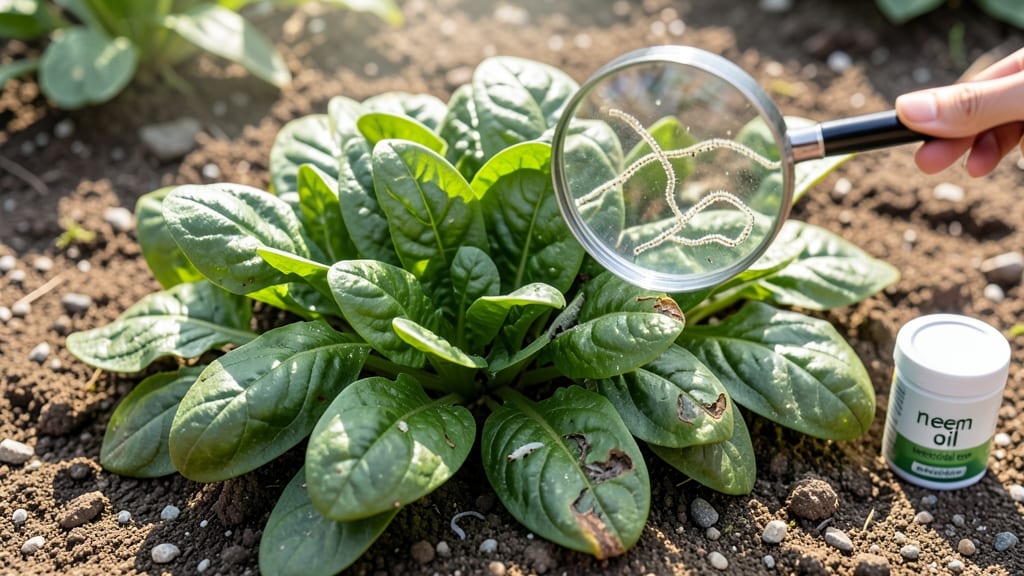
The spinach leaf miner is turning your crisp spinach leaves into ragged, unrecognizable messes—tiny pests that chew through foliage like invisible confetti machines. 🌱 I’ve battled these sneaky critters in my garden, and what started as a frustrating mystery turned into a solvable problem with the right organic sprays and timing.
The culprits are small white maggots that tunnel through leaves, leaving behind silvery trails and weakened plants. Most gardeners ignore the early signs until half their spinach is unrecognizable.
The good news? You can stop them cold with neem oil sprays or insecticidal soap, applied at the first sign of damage—before they multiply.
Within 3-5 days of treatment, new growth stays crisp and vibrant, and the miners disappear. The secret is consistency: check plants weekly, especially after rain, and you’ll keep your spinach thriving all season. No more sad, skeleton leaves—just lush, harvest-ready greens.
Works for both home gardens and small farms, and the methods play nice with organic certification. Let’s get those leaves back to their best before the miners take over!
The Hidden Triggers Behind Leaf Damage
When your leafy greens start looking more like Swiss cheese than crisp, healthy spinach, tiny leaf miners are likely the culprits. These sneaky pests don’t just appear out of nowhere—they thrive due to a mix of environmental conditions, plant stress, and even human habits.
Understanding why they target your spinach is the first step to stopping them in their tracks. Let’s break down the key factors that turn your garden into a leaf miner buffet.
Leaf miners love weak, stressed plants because they’re easier to invade. When spinach is packed too tightly or struggling to grow, its defenses weaken, making it a prime target for these pests. Here’s why overcrowding and stress create the perfect breeding ground:
- Poor air circulation: Dense plantings trap moisture, creating a humid microclimate that leaf miners adore. Stagnant air slows drying, letting larvae thrive longer on the leaf surface.
- Nutrient competition: Overcrowded spinach competes for sunlight, water, and nutrients, leading to stunted growth. Weak plants produce thinner leaves, which miners can chew through with ease.
- Root stress: Compacted soil or poor drainage forces roots to struggle, sending stress signals above ground. These signals can attract pests, including leaf miners, as they seek out plants already under duress.
Actionable fix: Space plants 6–12 inches apart (depending on variety) and thin seedlings early to reduce competition. Mulch with straw or grass clippings to improve soil health and airflow.
The life cycle of a leaf miner starts with the adult fly. These small, grayish insects (often mistaken for fungus gnats) are drawn to spinach for one reason: egg-laying. Their choice of host isn’t random—it’s influenced by several factors:
- Fresh, tender leaves: Adult females prefer newly emerged spinach leaves, as their soft tissue makes it easier to insert eggs. Older, tougher leaves deter them.
- Warm, humid conditions: Leaf miners thrive in temperatures between 60–85°F (15–30°C). If your garden stays consistently warm and damp, flies become more active and aggressive in laying eggs.
- Attraction to plant odors: Healthy spinach emits volatile organic compounds (VOCs) that signal vitality to pests. While these same compounds attract pollinators, they also lure leaf miners.
Actionable fix:
- Monitor adult fly activity with yellow sticky traps placed near plants.
- Avoid overhead watering in the evening to reduce humidity and deter egg-laying.
- Rotate crops annually to disrupt the fly’s life cycle and reduce egg-laying sites.
Leaf miners aren’t picky about where they set up shop, but they do have preferences—specifically, they crave warmth and moisture. Here’s how climate plays a role:
| Factor | Why It Matters | Actionable Tip |
|---|---|---|
| Temperature | Larvae develop fastest between 70–80°F (21–27°C). Cooler temps slow their growth, while heat speeds it up. | Use row covers in early spring or late fall to delay fly emergence. |
| Humidity | High humidity (above 60%) keeps eggs and larvae moist, increasing survival rates. | Improve drainage and avoid waterlogging soil. |
| Rainfall | Consistent rain provides a steady water source for adult flies, boosting reproduction rates. | Install drip irrigation to control moisture levels and reduce fly attraction. |
Pro tip: 🌡️ If your region has a hot, humid summer, consider growing spinach in early spring or fall to avoid peak miner activity.
Leaf miners don’t just target living plants—they also lurk in garden debris, waiting for the perfect moment to strike. Here’s how leftover plant material becomes a problem:
- Overwintering larvae: If you leave spinach stalks, old mulch, or crop residues in the soil over winter, leaf miner larvae can survive and emerge stronger the following season.
- Alternative host plants: Weeds like chickweed, lamb’s quarters, or purslane can harbor leaf miners. These pests may then move to your spinach once it’s planted.
- Compost piles: Infested plant material in compost can release flies, reinfecting your garden if not heated to 140°F (60°C) or higher.
Actionable fix:
- Remove and destroy (don’t compost) all spinach debris after harvest.
- Keep your garden weed-free, especially in rows where you’ll plant greens.
- Solarize soil in late summer by covering it with clear plastic for 4–6 weeks to kill overwintering pests.
By addressing these root causes—plant stress, fly activity, climate, and garden hygiene—you’ll make your spinach less appealing to leaf miners. The next step? Discover organic sprays and cultural tricks to kick these pests out for good.
Quick Fixes for Leaf Damage
When those telltale serpentine trails or crispy, ragged edges appear on your spinach, it’s time to act fast. The good news? You don’t need harsh chemicals to reclaim your garden.
Below, we break down the most effective, organic solutions—mapped directly to the root causes we covered earlier—so you can tackle the problem with confidence. 🌱🛡️
If you catch the issue before the larvae spin their tunnels, you can stop them in their tracks.
- Inspect leaves daily: Flip your spinach leaves every 2–3 days. Look for tiny white eggs (size of a pinhead) or early signs of silver-gray trails.
- Handpick larvae: Use a damp paper towel to gently wipe off eggs or larvae. Drop them into soapy water to prevent reinfestation. 🧼
- Remove heavily infested leaves: Toss damaged foliage into a sealed bag—not the compost—to avoid spreading eggs.
Pro tip: Do this in the early morning when larvae are sluggish and easier to spot. ☀️🕰️
Once larvae burrow in, you’ll need a two-pronged attack: disrupt their life cycle and repel future invaders. These sprays are safe for edibles and tough on pests.
| Solution | How to Use | Best For |
|---|---|---|
| Neem Oil Spray (1 tbsp neem oil + 1 tsp mild soap + 1 quart water) | Spray top and bottom of leaves every 5–7 days. Reapply after rain. 🌧️ | Kills eggs/larvae and deters adult flies |
| Kaolin Clay (1 tbsp clay + 1 gallon water) | Apply as a protective film on leaves. Reapply every 7–10 days or after rain. | Creates a physical barrier larvae can’t penetrate |
| Garlic Pepper Spray (Blend 1 chopped garlic bulb + 1 tsp cayenne + 1 quart water. Strain and add 1 tsp soap.) | Spray leaves evenly. Reapply every 3–4 days. | Repels adult flies with a strong scent |
Pro tip: For maximum effectiveness, spray in the late afternoon when temperatures drop (pests are less active). 🌅🌡️
Prevention is your best weapon. Adjust your growing habits to make your spinach less appealing—and harder to invade.
- Rotate crops: Avoid planting spinach (or other brassicas) in the same spot for 2–3 years. 🔄
- Use row covers: Lightweight fabric (like floating row covers) blocks adult flies from laying eggs. Remove when pollinating isn’t needed.
- Interplant with repellents: Grow nasturtiums, marigolds, or onions nearby—their scents confuse pests.
- Water at the base: Wet leaves attract flies. Use drip irrigation or water early in the day so foliage dries quickly. 💧
- Harvest frequently: Regularly picking mature leaves reduces stress on the plant, making it less vulnerable to infestations.
Pro tip: If you’re growing spinach in containers, elevate them slightly off the ground to reduce soil-borne pest access. 🏗️
If your spinach is heavily damaged (more than 30% of leaves tunneling), you may need to reset the garden.
- Pull and replace: Remove the entire plant (roots and all) and dispose of it in a sealed bag. Solarize the soil for 4–6 weeks by covering it with clear plastic to kill remaining larvae. ☀️🔥
- Switch to fast-growing varieties: If you need greens quickly, try baby spinach or arugula, which mature faster and can be harvested before severe damage sets in.
- Quarantine new plants: If you replant, isolate new seedlings for 2 weeks to monitor for reinfestation.
Pro tip: After solarization, amend the soil with compost and a beneficial nematode treatment (like Steinernema carpocapsae) to restore balance. 🌱✨
With these steps, you’ll not only save your spinach but also create a garden that’s less inviting to future pests. Stay vigilant, and your crispy-edged spinach days will be behind you—for good! 🚀
Frequently asked questions
What do spinach leaf miner tunnels look like?
Leaf miner damage appears as serpentine, white or brown trails between leaf veins, often with tiny black frass (larval droppings) inside the tunnels. Early signs include small, irregular holes or crispy edges where larvae have fed. Check both leaf surfaces—larvae often hide on the undersides.
Can I still eat spinach with leaf miner damage?
Yes, but remove heavily infested leaves first. The tunnels themselves aren't harmful, but the larvae and their waste can make leaves less appealing. For maximum safety, harvest outer leaves first and discard any with visible maggots or excessive frass.
How often should I spray neem oil for leaf miners?
Apply neem oil spray every 5-7 days during active infestations, always in the late afternoon when pests are less active. Reapply after rain or heavy dew, as water washes away the protective film. Mix 1 tablespoon neem oil + 1 teaspoon mild soap per quart of water for best results.
Will row covers prevent leaf miners completely?
Row covers block adult flies from laying eggs, but they must be securely fastened and removed only for pollination. For best results, use fine mesh fabric (15-20 mil) and install before adult flies emerge in spring. Remove covers when spinach bolts to prevent heat stress.
Can beneficial insects help control leaf miners?
While no natural predators specifically target leaf miners, parasitic wasps (like Diglyphus isaea) and ladybugs may reduce populations. Introduce these beneficials by planting companion flowers like dill, fennel, or marigolds nearby. However, chemical-free sprays remain the most effective immediate solution.