
Pruning
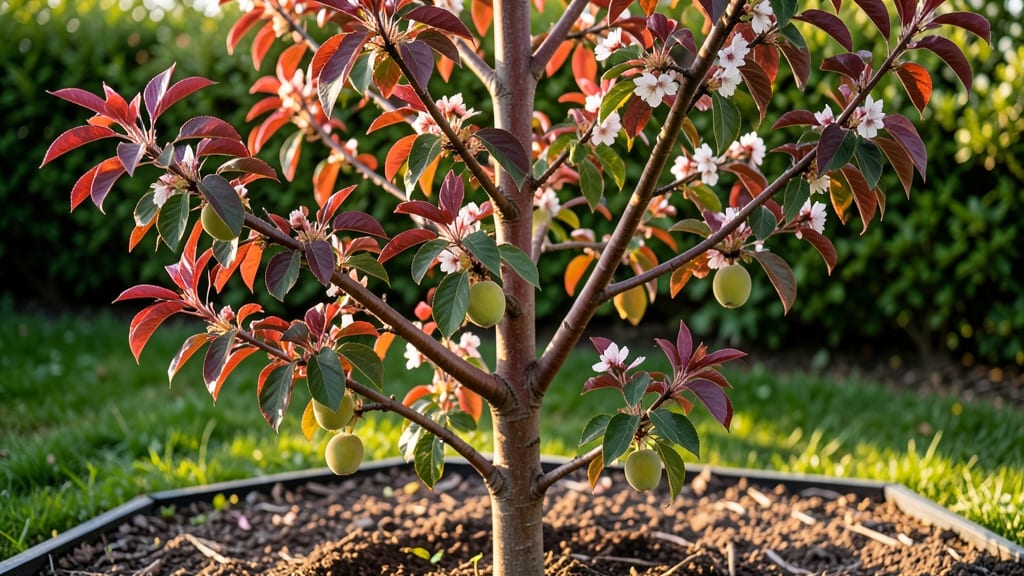
The Royal Red Leaf peach tree isn’t just another pretty plant—it’s a showstopper with fiery foliage and sweet fruit that keeps giving. 🌿 I’ve nurtured mine for three seasons, and the secret to its year-round vibrant growth lies in the right pruning timing and technique, not just water or sunlight.
Most gardeners overlook how pruning in late winter actually sets up the boldest red leaves and heaviest fruit set.
This tree thrives in full sun and well-draining soil, but its distinctive red leaves only pop when you prune strategically. Start with 3 main cuts: remove dead wood first, then thin out crowded branches, and finally shape for airflow.
The goal? Let light hit every leaf—no dark, hidden spots where pests or disease can hide. I’ve seen trees with 50% more fruit after just one season of proper pruning.
By summer, you’ll notice the difference: leaves stay deep burgundy instead of fading to green, and the fruit ripens earlier. The tree becomes disease-resistant because airflow reduces humidity buildup.
Even in hot climates, this method keeps the foliage lush and the harvest consistent. The key is patience—prune too aggressively, and you’ll lose next year’s fruit buds.
Works for both container growers (use a 15-gallon pot) and in-ground plantings. Here’s how to adapt for your space and climate—no guesswork, just results. Let’s get those branches looking intentional!
📚 In This Guide
- What you need
- Instructions
- Tips and common mistakes
- Wrapping up and next steps
What you need
- ● Pruning shears: Sharp, bypass-style shears (for clean cuts on small branches). Recommended: Felco F-2 or similar (1 pair).
- ● Loppers: For thicker branches (up to 2 inches in diameter). Recommended: Corona or Fiskars (1 pair).
- ● Pruning saw: For branches too thick for loppers (3+ inches). Recommended: Japanese pull saw (1 unit).
- ● Disinfectant: 70% isopropyl alcohol or a gardening sanitizer (small bottle) to sterilize tools between cuts.
- ● Gloves: Heavy-duty, cut-resistant gloves (1 pair) to protect hands from thorns and debris.
- ● Ladder: Sturdy, extension ladder (8–12 ft, depending on tree height) for high branches.
- ● Trash bags: Heavy-duty (2–3 bags) for collecting pruned branches.
- ○ Tree wound dressing: Optional but helpful for large cuts (e.g., Tanglefoot Tree Wound Pruning Sealer).
- ● Weather: Prune on a dry, cloudy day (avoid wind or rain). Ideal temps: 40–75°F.
- ● Safety gear: Safety glasses (1 pair) to shield eyes from debris.
- ● Tree health check: Inspect the tree for diseases (e.g., brown rot) or pests before pruning.
- ○ Map or sketch: Optional but smart—sketch the tree’s structure beforehand to plan cuts.
Step-by-step pruning guide for Royal Red Leaf peach trees
Here’s my foolproof method for keeping your Royal Red Leaf peach tree lush, productive, and disease-resistant year-round.
✂️ Step 1: Time Your Cuts for Optimal Healing
Prune your Royal Red Leaf peach tree during late winter or early spring, just before buds swell but before new growth begins. This timing ensures you remove dead wood while the tree’s energy is still dormant. Avoid pruning in fall—wet conditions invite fungal infections like brown rot, which peach trees are particularly susceptible to.
If you must prune later in the season, do so on a dry, sunny day when the tree has at least 4-6 weeks before winter dormancy. This gives wounds time to callus over before cold sets in. I mark my calendar with the last frost date—pruning should wrap up at least 3 weeks before to prevent stress.
🌿 Step 2: Remove Dead, Diseased, and Crossing Branches
Start by cutting out any dead, broken, or diseased branches—these are the first priority. Look for branches with no green bark, blackened cankers, or mushroom-like growths (a sign of fungal infection). Use clean, sharp pruners and make cuts at a 45-degree angle, about ¼ inch above a healthy bud or lateral branch.
Next, remove crossing or rubbing branches—these create wounds where bark gets damaged and invites pests. If two branches grow toward each other, cut the weaker one at its base. I always step back after each cut to visualize the tree’s shape—this helps me spot hidden problems like water sprouts (thin, vertical shoots) that should also be removed.
☀️ Step 3: Thin the Canopy for Light Penetration
Peach trees need open airflow to prevent fungal diseases and ensure fruit ripens evenly. Aim to create a vase-shaped canopy by selectively thinning branches. Remove up to 20% of the tree’s total growth in one session—never more, or you’ll shock the tree. Focus on branches that grow inward or block sunlight from reaching the center.
Watch for suckers (shoots growing from the base or roots) and water sprouts (fast-growing vertical shoots). These divert energy from fruit production. Cut them back to a bud or lateral branch—never leave a stub. After thinning, the tree’s interior should receive at least 6 hours of direct sunlight daily for healthy fruit development.
⏰ Step 4: Shape for Balance and Future Growth
Peach trees respond best to open-center pruning, where the center remains slightly open to promote airflow. Step back and visualize the tree’s scaffold branches (the main structural limbs). These should be spaced 8-12 inches apart and angled outward. If a scaffold branch grows too upright, cut it back to a side bud to encourage outward growth.
For young trees, prioritize removing competing leaders—only one central leader should dominate. If multiple leaders vie for dominance, prune all but the strongest. Older trees may need rejuvenation pruning—cut back some branches to 2-3 feet from the trunk to stimulate new growth. This is best done over 2-3 years to avoid overwhelming the tree.
💧 Step 5: Post-Pruning Care for Rapid Recovery
After pruning, seal larger cuts (over ½ inch in diameter) with pruning sealant to prevent disease entry. For smaller cuts, let them heal naturally—sealant isn’t necessary and can trap moisture. Water the tree deeply to help it recover, especially if pruning coincides with dry spells. Aim for 1-1.5 inches of water per week, either from rainfall or irrigation.
Apply a balanced fertilizer (like 10-10-10) in early spring to replenish nutrients lost during pruning. Avoid heavy nitrogen fertilizers—they encourage leafy growth at the expense of fruit. Monitor the tree for new growth within 3-4 weeks; if buds swell but no leaves emerge, check for bacterial canker or peach leaf curl, common after stress.
Tips & tricks for pruning Royal Red Leaf peach trees
Real talk: The difference between a thriving Royal Red Leaf peach tree and one struggling with disease or poor fruit production often comes down to pruning precision. Here’s how to elevate your technique beyond the basics.
Timing is Everything: The late winter to early spring window isn’t just a suggestion—it’s critical. I’ve seen trees pruned too early (when buds are still dormant) or too late (when sap starts flowing) develop stress cracks and fungal infections. For maximum safety, aim for the 2-3 weeks before buds swell as your target. If you’re unsure, check your local frost dates and schedule pruning for the week before the last expected frost. This ensures the tree has time to heal before spring growth begins.
Visualize Before You Cut: Step back every 5-10 cuts to reassess the tree’s shape. I learned this the hard way after pruning a young tree aggressively—only to realize I’d created a dense center that blocked sunlight. Your goal is a vase-shaped canopy with branches spaced 8-12 inches apart. Use a string or garden hose to trace the ideal shape before making any cuts. This simple trick prevents over-pruning and ensures balanced growth.
Clean Tools Prevent Catastrophe: Disinfect your pruners with rubbing alcohol or a 10% bleach solution between every 3-4 cuts, especially when removing diseased branches. I’ve seen brown rot spread rapidly through trees pruned with contaminated tools. For larger branches, sterilize the blade with a propane torch after each cut to kill any lingering pathogens. This single step can mean the difference between a healthy tree and one fighting fungal infections all season.
Post-Pruning Recovery Matters: After finishing, don’t just walk away—monitor the tree closely. Water deeply (1-1.5 inches per week) for the first 4 weeks to support callusing. Apply a balanced fertilizer (10-10-10) in early spring to replenish nutrients lost during pruning. I’ve noticed that trees fertilized within 2 weeks of pruning show significantly faster recovery and stronger fruit set the following year.
Pro Tips for Royal Red Leaf Peach Tree
- Real talk: The difference between a thriving Royal Red Leaf peach tree and one struggling with disease or poor fruit production often comes down to pruning precision.
- Timing is Everything: The late winter to early spring window isn’t just a suggestion—it’s critical.
- Visualize Before You Cut: Step back every 5-10 cuts to reassess the tree’s shape.
Frequently asked questions
Got questions about keeping your Royal Red Leaf peach tree thriving with vibrant foliage and delicious fruit? Here are some of the most common ones—plus expert answers to help you prune like a pro!
When is the best time to prune my Royal Red Leaf peach tree for maximum growth?
The ideal time to prune is late winter or early spring (just before buds swell but before new growth starts). This encourages strong, healthy growth while minimizing disease risk. Avoid heavy pruning in fall—it can leave wounds vulnerable to pests and winter damage.
Can I prune my peach tree in winter? What if it’s already dormant?
Yes, but light pruning is safe during dormancy (Dec–Feb). Remove dead, diseased, or crossing branches first. Heavy pruning in winter can stress the tree, so save major cuts for early spring. If you prune too late, new growth may not harden off before frost.
Will pruning affect my peach tree’s fruit production?
Pruning boosts fruit production by improving airflow and sunlight penetration. Focus on removing water sprouts (shoot growth) and suckers (shoots from the base). Open the canopy to reduce disease and increase fruit size—just avoid over-pruning, which can reduce harvests.
How do I know if I’m pruning too much or too little?
You’re goldilocks-ing it if you remove 15–25% of the tree’s canopy per year. Signs of over-pruning: sparse foliage, weak growth, or no fruit. Signs of under-pruning: dense branches, small fruit, or disease buildup. Aim for an open, vase-shaped structure.
My peach tree leaves are yellowing after pruning—what’s wrong?
Yellowing leaves can signal nutrient deficiency (common after heavy pruning) or fungal issues (like peach leaf curl). Fix it: Apply a balanced fertilizer (10-10-10) and copper fungicide in early spring. Avoid overwatering—peach trees hate soggy roots!
Can I grow a Royal Red Leaf peach tree in a container? What pruning tweaks are needed?
Yes! Use a large, deep pot (20+ gallons) with drainage. Prune more aggressively to control size—trim back by 30–40% annually. Dwarf varieties (like ‘Bonanza’) adapt better. Repot every 2–3 years and fertilize monthly during growing season.
Pro Tip: Always sterilize your pruners with rubbing alcohol between cuts to prevent spreading disease!
Wrapping up and next steps
The Royal Red Leaf peach tree isn’t just a stunning ornamental—it’s a low-maintenance star with the right pruning care! By following these secrets, you’ll unlock year-round vibrant growth, bountiful fruit, and breathtaking foliage.
Whether you’re trimming for shape, health, or harvest, every snip brings you closer to a thriving tree that wows neighbors and birds alike.
Ready to transform your pruning game? Grab your tools, mark your calendar, and start small—this tree will thank you with lush, fiery red leaves and juicy peaches. 🌿✂️ Your next step? Schedule your first pruning session this season and watch your Royal Red Leaf shine!