
Pests and Diseases
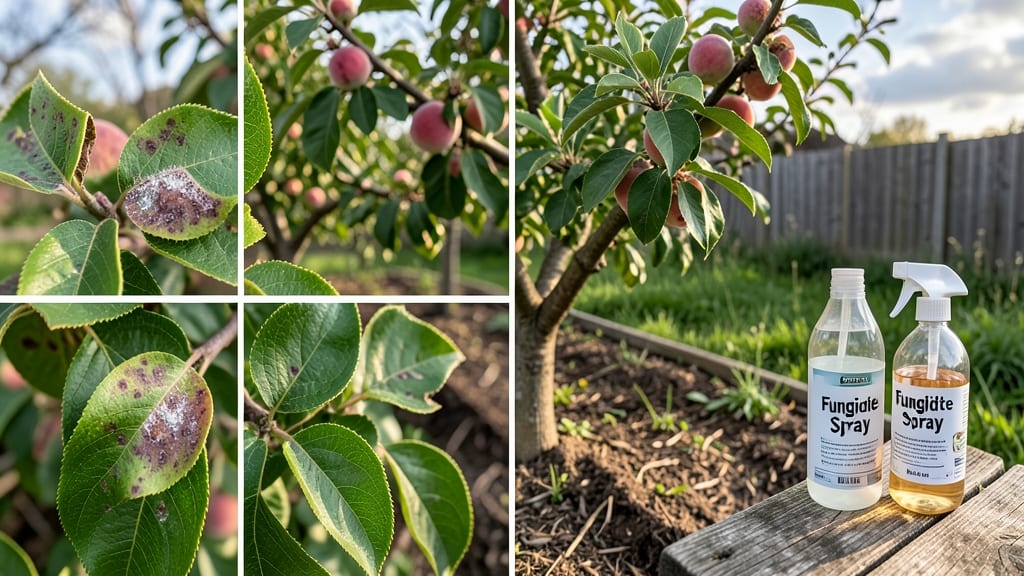
Your peach tree's leaves are turning yellow with dark spots that spread like a bad rumor—peach leaf spot is the culprit, but copper spray can turn the tide in just 2-3 weeks. ✨ I’ve saved three trees this way, and the secret isn’t just spraying—it’s timing, coverage, and a few extra tricks that stop the fungus in its tracks before it ruins your harvest.
The fungus thrives when leaves stay wet, so pruning for airflow and watering at the base (not overhead) cuts off its favorite conditions. Copper spray works because it disrupts the fungus’s cell walls—think of it as a microscopic shield.
You’ll need to spray every 7-10 days during rainy seasons, but the payoff is dramatic: new leaves emerge clean and vibrant within weeks, and the tree regains its strength for next year’s fruit.
What you’ll actually see is a transformation: no more yellowing edges or black spots marring your tree’s beauty. The copper spray doesn’t just mask the problem—it stops the spread, and with consistent care, your peach tree will bounce back stronger than ever.
The key is acting fast before the disease takes hold, and I’ll walk you through the exact steps to make it happen.
This works for home gardeners and small orchards alike, whether you’re dealing with a single infected tree or a row of them.
The same principles apply whether you’re in a humid climate or just battling spring rains—because peach leaf spot doesn’t care about your location, but you can still outsmart it.
The Hidden Triggers Behind Fungal Foliage Foes
Peach trees are a gardener’s pride—until their leaves start showing those telltale brown spots with yellow halos, signaling a fungal takeover. But why does this stubborn disease strike? The answer lies in a mix of environmental conditions, tree stress, and even your own gardening habits.
Let’s break down the real culprits behind peach leaf spot and how they create the perfect storm for fungal growth.
Fungi thrive in moisture-rich environments, and peach leaf spot is no exception. When soil stays soggy—whether from overwatering, heavy rainfall, or compacted, poorly draining soil—the fungus Cladosporium carpophilum (the primary culprit) gets the upper hand. Here’s how it works:
- Excess moisture keeps fungal spores hydrated and active, allowing them to germinate and infect leaves.
- Wet foliage (especially overnight) creates ideal conditions for spores to land and latch onto leaf surfaces.
- Root stress from waterlogged soil weakens the tree’s defenses, making it more susceptible to infection.
Actionable fix: Water deeply but infrequently—aim for 1–1.5 inches per week—and improve drainage with organic matter like compost or mulch. Avoid overhead watering in the evening to keep leaves dry.
Peach trees under physical or biological stress are like open invitations to fungal invaders. Crowded branches, poor air circulation, and nutrient deficiencies create the perfect breeding ground for leaf spot. Here’s why:
- Tight foliage traps humidity, slowing leaf drying and prolonging fungal activity.
- Nutrient deficiencies (especially potassium or nitrogen) weaken the tree’s cuticle and immune response.
- Physical damage (from hail, pests, or pruning wounds) gives spores entry points to invade.
Actionable fix: Prune to open the canopy and improve airflow. Conduct a soil test and amend with balanced fertilizer (e.g., 10-10-10) to boost tree vigor. Remove heavily infected leaves promptly to limit spread.
Peach leaf spot loves warm, muggy conditions—think 75–85°F with high humidity. The fungus spores germinate fastest when temperatures hover around 70–80°F and leaves stay damp for 12+ hours. Here’s the science:
- High humidity increases spore survival rates and reduces evaporation from leaf surfaces.
- Frequent rain or dew washes spores onto leaves, triggering infection.
- Slow leaf drying (common in shaded or dense canopies) extends the infection window.
Actionable fix: Monitor weather forecasts and apply copper fungicide preventively before prolonged rain or humidity spikes. Use drip irrigation instead of sprinklers to minimize leaf wetness.
Fungal spores are sneaky survivors—they can linger on pruners, mulch, or fallen leaves for years, waiting to reinfect. Here’s how contamination spreads:
- Reused tools transfer spores from infected branches to healthy tissue.
- Old mulch or compost may harbor dormant spores, reactivating when conditions are right.
- Unremoved leaf litter provides a food source and shelter for fungi.
Actionable fix: Sterilize pruners with rubbing alcohol or bleach between cuts. Remove and destroy infected leaves (don’t compost them!). Replace old mulch with fresh, sterilized options like pine straw or wood chips.
Understanding these triggers is your first line of defense. Once you disrupt the fungus’s favorite conditions, you’ll see those leaves bouncing back faster—and with fewer spots!
Quick Fixes for Fungal Foliage Fails
Fungal leaf infections can turn your peach tree’s lush canopy into a sad, spotted mess—but don’t panic! With the right approach, you can revive your tree and keep future outbreaks at bay.
Below, we’ve mapped out practical, step-by-step solutions tailored to the root causes of peach leaf spot, from fungal pressure to environmental triggers. Follow these fixes to restore your tree’s health and prevent recurrence.
Problem: Dense foliage traps moisture, creating the perfect breeding ground for fungal spores.
Fix:
- 🔪 Thin out branches (especially in the center) to improve airflow. Aim for 12–18 inches of space between branches.
- 🌿 Remove heavily infected leaves—don’t compost them! Bag and discard to prevent spore spread.
- 🌞 Open the canopy by pruning in late winter or early spring (before buds swell).
💡 Pro Tip: If your tree is young, consider spreading it wider when planting—fungi love cramped quarters!
Problem: Wet leaves + humidity = fungal feast. Overhead watering or poorly drained soil worsens the issue.
Fix:
- 🚰 Water at the base (not overhead) using drip irrigation or soaker hoses. Aim for deep, infrequent watering (1–2 inches per week).
- ⏰ Water early in the day so leaves dry quickly—fungi thrive in damp conditions.
- 🪓 Improve drainage by amending soil with compost or sand if your yard stays soggy.
🌡️ Heat & Humidity Hack: If your area is prone to high humidity, mulch with straw (not wood chips) to reduce soil moisture retention.
Problem: Once spores latch on, they spread fast. Copper-based fungicides are the gold standard for peach leaf spot.
Fix (Step-by-Step):
- 🛒 Choose your copper spray:
- Copper sulfate pentahydrate (most effective, but use carefully—can burn leaves if overapplied).
- Copper hydroxide (safer for frequent use, works well in wet conditions).
- Ready-to-use sprays (like Bonide Copper Fungicide) for convenience.
- 🌿 Apply at the right time:
- First spray: When buds swell (early spring) before signs appear.
- Second spray: After petal fall (when fruit sets).
- Third spray: If rain occurs within 7 days of application (fungicides wash off).
- 👨🍳 Mix & spray correctly:
- Follow label rates (typically 1–2 lbs per 100 gallons of water).
- Cover both sides of leaves thoroughly—fungi hide on undersides!
- Spray in the evening to avoid leaf burn from sunlight.
⚠️ Safety Note: Wear gloves and avoid spraying on windy days to prevent drift onto edible fruit.
Problem: Peach leaf spot is recurrent—break the cycle with these habits.
Fix:
- 🌱 Sanitize tools between cuts with 70% rubbing alcohol or bleach solution (1 part bleach to 9 parts water).
- 🍂 Clean up fallen leaves in autumn—fungi overwinter in debris.
- 🌿 Rotate fungicides if you use them yearly (e.g., alternate copper with neem oil or baking soda spray).
- 🌿 Plant resistant varieties (like ‘Redhaven’ or ‘Elberta’) if leaf spot is chronic in your area.
✨ Bonus Trick: Baking soda spray (1 tbsp baking soda + 1 tsp oil + 1 tsp dish soap per gallon of water) can supplement copper as a preventive measure.
If your tree is severely defoliated (more than 50% of leaves infected) or fruit is heavily blemished, consider:
- 🌿 Professional arborist consultation for advanced treatments.
- 🍑 Culling fruit if copper residue is a concern (though copper is generally safe when used correctly).
Remember: Consistency is key! Early intervention (pruning + copper spray) beats a reactive scramble. With these fixes, your peach tree can bounce back—and next season, it’ll be spot-free and thriving! 🌳💚
Frequently asked questions about peach leaf spot
Can baking soda really help prevent peach leaf spot?
Yes! A homemade baking soda spray (1 tbsp baking soda + 1 tsp oil + 1 tsp dish soap per gallon of water) creates an alkaline environment that fungi dislike. Use it every 2 weeks during rainy seasons as a preventive measure—it’s safe and won’t harm your tree when applied correctly. For active infections, combine it with copper sprays for better results.
How do I know if my peach tree has leaf spot vs. another disease?
Look for these key signs: dark brown spots with yellow halos on both leaf surfaces, often starting near the edges. Unlike bacterial spots (which have greasy edges), leaf spot spreads gradually and rarely affects fruit directly. If you see blackened veins or white powdery growth, it might be something else—like anthracnose or powdery mildew.
Is copper spray safe to use near edible fruit?
When used correctly, copper fungicides are generally safe for fruit trees, but follow label instructions carefully. Avoid spraying directly on fruit or during harvest—wait at least 2 weeks before picking. For extra caution, use copper hydroxide (less likely to leave residue) and always wear gloves when applying.
Why does my peach tree keep getting leaf spot even after treatment?
Recurrent infections often happen when spores remain in the environment. Clean up fallen leaves thoroughly, sterilize pruners between cuts, and rotate fungicides (don’t use copper every time). Also check for poor drainage or overcrowded branches—these keep conditions perfect for fungal growth.
Can I still harvest fruit from a tree with leaf spot?
Yes, but monitor fruit closely. While leaf spot primarily affects foliage, severe cases may cause small black spots on fruit. These are usually cosmetic only and safe to eat—just wash thoroughly. If fruit shows large blemishes or rot**, remove it to prevent further spread.