
Shrubs
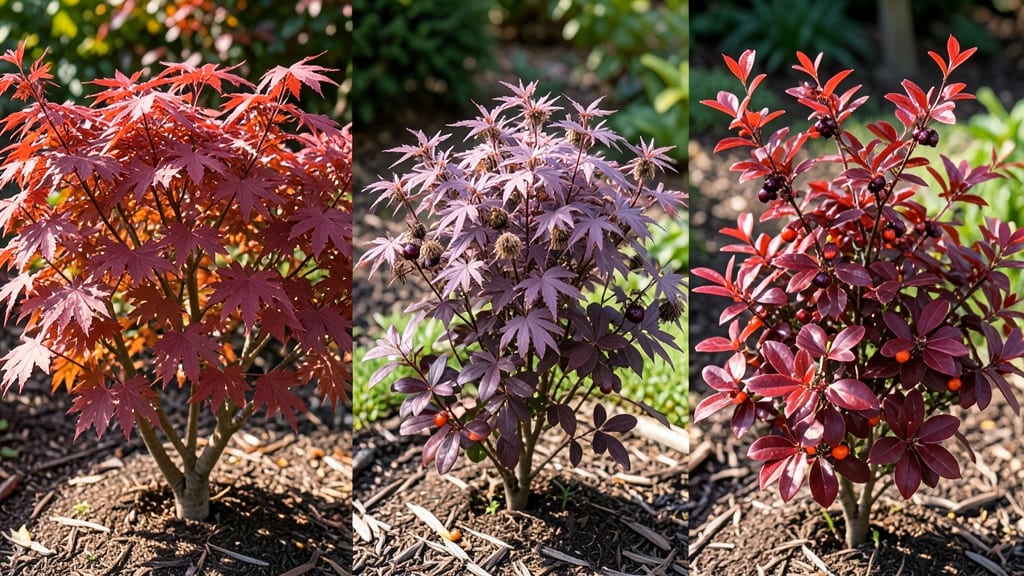
Your garden could look like a painting all year—red leaf bushes and shrubs bring that bold, fiery energy without demanding constant care. 🌿 I’ve used them to transform dull corners into showstoppers, and the secret isn’t just picking the right plants, but knowing how to place them for maximum impact.
These shrubs thrive in borders, hedges, or as focal points, with varieties like Cotoneaster (deep red berries) or Berberis (spiky, evergreen leaves) adding texture and color. They handle sun or shade, and many keep their vibrant hues even in winter—no summer fade-out here.
Pair them with evergreens or silver foliage for contrast, and you’ve got a landscape that pops in every season. The best part? They’re low-maintenance. Prune once a year, water occasionally, and watch them grow into the backbone of your garden.
No dead zones, no boring green—just year-round drama that turns heads. Whether you’re framing a pathway or creating a bold backdrop, these shrubs deliver. Let’s pick the perfect ones for your space!
📚 In This Guide
- What you need
- Instructions
- Tips and common mistakes
- Wrapping up and next steps
What you need
- ● Red leaf shrubs/plants: 1–5 mature shrubs (e.g., Cotinus coggygria ‘Royal Purple,’ Cornus sericea, or Berberis thunbergii ‘Rose Glow’). Quantities depend on desired coverage.
- ○ Optional: Container-grown plants for smaller spaces or instant color.
- ● Soil amendments: 5–10 lbs of organic compost or well-rotted manure per planting hole.
- ● 1–2 lbs of slow-release fertilizer (10-10-10 or similar) per shrub.
- ● Planting tools: 1 shovel (round-point for digging, flat-blade for edging).
- ● 1 garden trowel (for delicate root handling).
- ● 1 pruning shears (bypass type, sharp for clean cuts).
- ● 1 gloves (gardening or work gloves for protection).
- ● Mulch: 2–3 inches of wood chips, bark, or pine straw (cover the root zone, leaving space around stems).
- ● Location: Full sun to partial shade (6+ hours of sunlight for best red foliage).
- ● Soil: Well-draining, slightly acidic to neutral (pH 6.0–7.5). Amend heavy clay with sand or perlite if needed.
- ● Watering setup: 1 hose with adjustable nozzle or drip irrigation for consistent moisture.
- ○ Optional: Soaker hoses for deep watering.
- ● Seasonal timing: Planting: Early spring or fall (avoid extreme heat or frost).
- ● Pruning: Late winter (dormant season) for shaping.
How to select and plant red leaf bushes for year-round vibrancy
Here's how I transform ordinary landscapes into bold, ever-changing displays using these striking plants.
🌿 Step 1: Choose the Right Varieties for Your Climate
Red leaf bushes thrive in different climates, so pick varieties that match your hardiness zone. For cooler regions, Oakleaf Hydrangea or Coralberry deliver deep crimson foliage that persists through winter. In warmer zones, Dwarf Fothergilla or Japanese Maple 'Bloodgood' provide fiery reds that stay vibrant year-round.
Check each plant's mature height—6-8 feet for bold focal points, 3-4 feet for foundation plantings, and under 3 feet for container gardens. I always test a plant's color in different light conditions before buying; some varieties fade to purple in strong afternoon sun.
☀️ Step 2: Select Planting Locations Based on Sunlight Needs
Most red leaf shrubs need full sun to partial shade—at least 4-6 hours of direct sunlight daily. Place taller varieties like Smokebush on the north or west side of your yard to avoid scorching leaves. Smaller shrubs like Dwarf Ninebark tolerate more shade but may lose some vibrant color if light drops below 3 hours daily.
I avoid planting near large trees where roots compete for moisture and nutrients. Instead, I position them where they'll get dappled sunlight—like under deciduous trees that lose leaves in winter, letting the shrubs shine when other plants fade.
🪴 Step 3: Prepare the Planting Site for Optimal Growth
Dig a hole twice as wide as the root ball but only as deep—planting too deep suffocates roots. Amend the native soil with 2-3 inches of compost mixed into the bottom and sides of the hole. This improves drainage while retaining moisture, which red leaf shrubs appreciate.
For containers, use well-draining potting mix with 20% perlite added. I always water the root ball thoroughly before planting to reduce transplant shock. The soil should be moist but not soggy when you handle it—like a wrung-out sponge.
🌱 Step 4: Plant and Mulch for Long-Term Health
Gently remove the plant from its container and loosen any circling roots with your fingers. Position it so the top of the root ball sits 1 inch below soil level—this prevents stem rot while encouraging strong root growth. Backfill with native soil mixed with compost, pressing lightly to eliminate air pockets.
Apply 2-3 inches of mulch (wood chips or shredded bark) around the base, keeping it 3 inches away from the stem. This conserves moisture and regulates soil temperature. I always water deeply after planting to help roots establish in their new home—you'll know it's enough when water drains through the bottom of the hole.
⏰ Step 5: Establish a Year-Round Care Routine
Water newly planted shrubs deeply once a week for the first 6-8 weeks, then taper to every 10-14 days once established. Red leaf varieties are drought-tolerant once rooted, but they reward consistent moisture with richer colors. I check soil moisture by sticking my finger 2 inches down—if it feels dry, it's time to water.
Fertilize in early spring with a balanced 10-10-10 formula, then again in mid-summer to maintain vibrant foliage. Prune in late winter or early spring before new growth begins, removing no more than 25% of the plant. This keeps the shape natural while encouraging fresh, colorful growth.
Tips & tricks for perfect red leaf bushes and shrubs
Transforming your landscape into a year-round color show starts with these insider tricks that make all the difference.
Variety Selection: When choosing between Oakleaf Hydrangea and Dwarf Fothergilla, consider their seasonal performance. Oakleaf Hydrangea's foliage turns deep burgundy in fall and holds through winter, while Dwarf Fothergilla offers brilliant orange-red fall color that fades to bronze. For maximum impact, I plant both varieties together—one for winter interest, one for autumn drama. The height differences (6-8 feet vs. 3-4 feet) also create natural layers in your garden design.
Sunlight Strategy: The 4-6 hours of sunlight requirement isn't just about quantity—it's about timing. Plant your shrubs to receive morning sun and afternoon shade in hotter climates. This prevents leaf scorch while still delivering the vibrant color we love. I've found that positioning them where they catch dappled sunlight through nearby deciduous trees creates the perfect balance—bright foliage without the risk of sun damage.
Planting Depth: That 1-inch below soil level positioning might seem minor, but it's crucial for long-term health. Planting too deep suffocates roots by preventing oxygen exchange, while planting too shallow exposes them to drying winds. I always check the root flare (where roots meet stem) before backfilling—it should be just visible above soil level. This simple check prevents years of struggling plants.
Mulching Technique: The 2-3 inches of mulch recommendation works best when applied properly. Spread it in a donut shape around the base, keeping it 3 inches away from the stem to prevent moisture buildup that causes rot. I use wood chips because they improve soil structure over time, but shredded bark works too. The key is maintaining this thickness—it's what regulates soil temperature and conserves moisture through all seasons.
Pro Tips for Red Leaf Bushes And Shrubs
- Transforming your landscape into a year-round color show starts with these insider tricks that make all the difference.
- Variety Selection: When choosing between Oakleaf Hydrangea and Dwarf Fothergilla, consider their seasonal performance.
- Sunlight Strategy: The 4-6 hours of sunlight requirement isn't just about quantity—it's about timing.
Frequently asked questions
Got questions about keeping your landscape vibrant with red leaf bushes and shrubs? Here are some of the most common ones—and their answers!
What’s the best time to plant red leaf bushes and shrubs?
For maximum success, plant in early spring or fall when temperatures are mild. This gives roots time to establish before extreme heat or cold. Avoid planting in summer—the stress can stunt growth. If you’re in a warmer climate, late fall works best to beat winter dormancy.
Why are my red leaf shrubs losing their color?
Color fade is often due to too much sun, poor soil, or over-fertilizing. Most red leaf varieties thrive in partial shade (4–6 hours of sunlight daily). Test your soil—if it’s alkaline, the shrub may struggle. Use an acidic fertilizer (like iron sulfate) to restore vibrancy. Pro tip: Prune leggy growth in early spring to encourage denser, brighter foliage!
Can I grow red leaf shrubs in containers?
Many compact varieties (like Cotoneaster or Dwarf Ninebark) thrive in containers. Use a well-draining potting mix and a pot at least 12–18 inches wide. Place them in a spot with morning sun and afternoon shade to prevent leaf scorch. Bonus: Containers let you move shrubs to optimize color year-round!
How often should I water red leaf shrubs?
Water deeply 1–2 times per week (more in extreme heat) to encourage strong root growth. Newly planted shrubs need consistent moisture for the first year. Once established, they’re drought-tolerant but still appreciate 1 inch of water weekly. Watch for: Wilting leaves = time to water!
Are there red leaf shrubs that bloom too?
Yes! Many red leaf varieties double up on beauty with flowers, berries, or fall color. Try:
- Cotoneaster – Pink spring blooms + red berries
- Dwarf Fothergilla – White spring flowers + fiery fall foliage
- Barberry – Yellow flowers + arching branches
Wrapping up and next steps
Transforming your landscape with red leaf bushes and shrubs is easier than you think—and the results are stunning! 🌿 Whether you’re drawn to the fiery hues of Cotinus or the elegant structure of Cornus, these plants deliver year-round drama with minimal fuss.
Start small with a single statement shrub, or go bold with a mixed border for maximum impact.
Ready to bring color to your outdoor space? Pick your favorite variety, grab your gloves, and get planting! For extra inspiration, browse local nurseries or sketch a rough layout before diving in. Your future self (and your neighbors) will thank you! 🌟