
Aphids
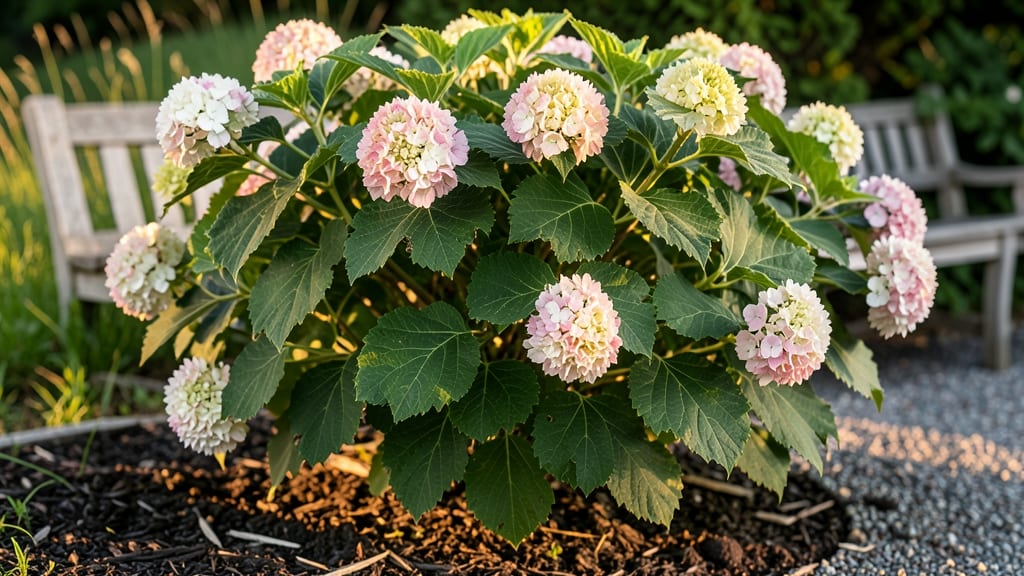
Growing the largest oakleaf hydrangea starts with one simple truth: these shade-loving giants thrive when you mimic their natural woodland habitat. 🌿 I've watched mine grow from a 2-gallon pot to a 12-foot-tall stunner by focusing on soil, sunlight, and patience—no fancy tricks needed.
The secret? Rich, moist but well-draining soil with a slightly acidic pH (6.0-6.5) and dappled shade (morning sun, afternoon shade). Oakleaf hydrangeas reward you with bold foliage that turns burgundy and gold in fall, plus cone-shaped blooms that last from summer into winter.
Prune in late winter to shape and encourage size, but never cut back more than 1/3 of the plant. By summer, you'll see vibrant green leaves the size of your hand and spectacular blooms that attract hummingbirds.
The key is consistent moisture (1-2 inches per week) and balanced fertilizer in spring. Overwatering or heavy pruning kills their growth momentum—learned that the hard way with my first plant. Works in zones 5-9, from city gardens to rural landscapes. Let's get yours growing big and bold!
📚 In This Guide
- What you need
- Instructions
- Tips and common mistakes
- Wrapping up and next steps
What you need
- ● Oakleaf hydrangea plant (e.g., Hydrangea quercifolia ‘Snow Queen’ or ‘Pee Wee’ for smaller varieties) – 1-2 mature plants (or 3-5 young plants for a fuller look). Choose a healthy, disease-free specimen from a reputable nursery.
- ● Well-draining soil mix – 50% native soil + 50% organic matter (compost, peat moss, or coconut coir). Oakleaf hydrangeas thrive in acidic to neutral soil (pH 5.0–6.5).
- ● Organic mulch – 2–4 inches of pine straw, wood chips, or shredded bark to retain moisture and regulate temperature.
- ● Slow-release fertilizer – Balanced 10-10-10 or acid-loving plant fertilizer (e.g., Miracle-Gro Shake ‘n Feed Azalea, Camellia & Rhododendron). Apply once in early spring.
- ● Watering can or hose with a gentle spray nozzle – Oakleaf hydrangeas hate soggy roots but love consistent moisture.
- ● Garden trowel or spade – For digging planting holes (aim for twice as wide as the root ball).
- ● Garden gloves – To protect your hands from thorns (oakleaf hydrangeas have tiny but sharp ones!).
- ● Pruning shears – Sterilized (rubbing alcohol wipe) for shaping after planting or in late winter/early spring.
- ● Measuring tape or ruler – To ensure proper spacing (6–10 feet apart for mature plants).
- ○ pH testing kit – Optional but highly recommended to monitor soil acidity (aim for 5.0–6.5).
- ● Epsom salt – 1 tablespoon per gallon of water (monthly in growing season) for magnesium boost.
- ● Aluminum sulfate or sulfur – If your soil is too alkaline, adjust pH gradually.
- ● Staking support – For young plants in windy areas (use 3–4 ft bamboo stakes).
- ● Drip irrigation system – Automates watering for consistent moisture (critical for large specimens).
- ● Plant food with iron – Prevents yellowing leaves (common in alkaline soils).
Step-by-Step guide to planting and cultivating the largest oakleaf hydrangea
Here's how to establish your shade-tolerant giant with minimal fuss—just follow these clear steps.
🌱 Step 1: Choose the Perfect Planting Site
Oakleaf hydrangeas thrive in partial shade, where they receive morning sun and afternoon shade—this prevents leaf scorch while maintaining vibrant blooms. Look for a spot with well-draining soil that stays consistently moist but never waterlogged. I always test drainage by digging a 12-inch-deep hole and filling it with water; if it drains within 2 hours, the site is ideal.
These giants need space to sprawl—plant at least 6 feet from structures, fences, or other plants to allow their 6-8 foot mature width to flourish without competition. If your soil is heavy clay, amend it with 3-4 inches of compost mixed into the top 12 inches of soil. This improves aeration and nutrient retention, which oakleaf hydrangeas crave for their dramatic foliage.
🪴 Step 2: Plant at the Right Depth and Stake for Support
Dig a hole twice as wide as the root ball but no deeper—this encourages outward root growth rather than forcing roots downward where they’ll struggle. Gently remove the plant from its container and loosen any circling roots with your fingers. Place it in the hole so the top of the root ball sits level with the surrounding soil—burying the stem too deep invites rot, while planting too high stresses the plant.
Fill the hole halfway with soil, then water deeply to settle it. I like to add a slow-release fertilizer (like 10-10-10) mixed into the backfill soil for a nutrient boost without risking burn. After backfilling completely, create a 2-inch-high water basin around the base to direct irrigation. Stake the plant immediately with two 4-foot bamboo stakes tied loosely to the main stem—oakleaf hydrangeas grow tall and top-heavy, and staking prevents flopping in wind or rain.
💧 Step 3: Water Deeply and Mulch for Moisture Retention
Water the newly planted hydrangea deeply right after planting, then again every 2-3 days until the root ball is fully established—usually 4-6 weeks. You’ll know it’s time to reduce watering when the plant begins producing new leaves; this signals the roots have expanded into the surrounding soil. Always water at the base, not overhead, to prevent fungal diseases like powdery mildew, which loves the large, broad leaves of oakleaf varieties.
Spread 3-4 inches of mulch (like shredded bark or pine needles) over the soil surface, keeping it 6 inches away from the stem to prevent rot. Mulch conserves moisture, regulates soil temperature, and suppresses weeds—critical for a shade-loving plant that relies on consistent soil conditions. Refresh the mulch layer annually in early spring to maintain its protective benefits.
✂️ Step 4: Prune Strategically for Size and Bloom Control
Prune oakleaf hydrangeas immediately after flowering (late summer to early fall) to shape the plant and encourage next year’s blooms. Remove dead, damaged, or crossing branches first, then cut back the current season’s growth by one-third to maintain an open, airy structure. Avoid heavy pruning in early spring—these hydrangeas bloom on old wood, and aggressive cuts can sacrifice next year’s flowers.
Here’s the thing—oakleaf hydrangeas reward patience. Their exfoliating bark, vibrant fall foliage, and winter interest make them worth the wait. I always leave a few striking stems unpruned to showcase their peeling cinnamon-colored bark in winter, which adds year-round drama to the garden. Fertilize lightly in early spring with a balanced, slow-release formula to support new growth without overstimulating foliage at the expense of flowers.
☀️ Step 5: Monitor for Pests and Adjust Care Seasonally
Watch for aphids or scale insects on new growth—these pests thrive on hydrangeas and can be spotted as sticky residue (honeydew) on leaves. Spray infested areas with neem oil or introduce ladybugs for natural control. Oakleaf hydrangeas are generally low-maintenance, but their large leaves make them prime targets for Japanese beetles in late summer. Handpick beetles early in the day when they’re sluggish, or use row covers if infestations are severe.
In winter, protect young plants from freeze-thaw cycles by wrapping the base with burlap or applying a 3-inch layer of mulch. Mature oakleaf hydrangeas handle cold well, but their tender new growth in early spring can be damaged by late frosts. If your winters are harsh, consider lightweight frost cloth during extreme cold snaps. With proper care, your oakleaf hydrangea will deliver bold shade, seasonal color, and structural interest for decades.**
Tips & tricks for cultivating a stunning oakleaf hydrangea
Between us, these shade-loving giants reward patience with dramatic foliage and year-round interest—but only if you nail a few key details. Here's what nobody tells you about getting the most from your oakleaf hydrangea.
Site Selection Secret: The partial shade requirement isn't just about avoiding sunburn—it's about creating the perfect temperature balance. I've found that oakleaf hydrangeas in spots with morning sun and afternoon shade develop the most vibrant fall foliage colors. If your yard only offers full sun, consider planting near a north-facing wall or under deciduous trees that provide summer shade but allow winter sunlight to reach the striking exfoliating bark.
Root Ball Revelation: When loosening circling roots in Step 2, be gentle but thorough—these roots can become so dense they actually strangle themselves. I learned this the hard way after seeing a plant struggle for years with poor root development. Use your fingers to carefully separate any roots growing in tight circles, then position the plant so the root ball sits level with the surrounding soil. This simple adjustment prevents stem rot from over-deep planting while ensuring optimal water absorption.
Watering Wisdom: The 4-6 week establishment period in Step 3 is critical, but what's often overlooked is the importance of watering consistency. Use a rain gauge or tuna can to measure exactly 1 inch of water every 2-3 days during this period. Inconsistent watering causes stress that manifests as yellowing leaves or poor bloom production. For even better results, water in the early morning to allow foliage to dry completely before evening, reducing fungal disease risk.
Pruning Paradox: The one-third pruning guideline in Step 4 might seem aggressive, but timing is everything. Oakleaf hydrangeas bloom on old wood, so late summer/early fall pruning actually encourages next year's flowers while maintaining the plant's natural shape. Here's my game-changer: after pruning, leave a few of the most striking stems uncut to showcase that beautiful cinnamon-colored bark through winter—it's a free architectural element for your garden.
Pro Tips for Largest Oakleaf Hydrangea
- Between us, these shade-loving giants reward patience with dramatic foliage and year-round interest—but only if you nail a few key details.
- Site Selection Secret: The partial shade requirement isn't just about avoiding sunburn—it's about creating the perfect temperature balance.
- Root Ball Revelation: When loosening circling roots in Step 2, be gentle but thorough—these roots can become so dense they actually strangle themselves.
Frequently asked questions
Got questions about growing the largest oakleaf hydrangea? You’re not alone!
Here are answers to the most common queries—from planting to pests—so you can keep your shade-tolerant giant thriving.
How big does the largest oakleaf hydrangea really get?
The Oakleaf Hydrangea ‘Pee Wee’ or ‘Snow Queen’ typically reaches 6–8 feet tall and wide, but the monster-sized Hydrangea quercifolia ‘Southern Belle’ can hit 10–15 feet with proper care. Give it space—these are not shrubs for small gardens! Prune annually to manage size while preserving that stunning fall foliage.
When is the best time to plant or transplant my oakleaf hydrangea?
Plant in early spring or fall (4–6 weeks before your first frost) for optimal root establishment. Avoid summer heat or winter cold, which stress the plant. If transplanting a mature specimen, water deeply before digging and keep the roots moist for 2–3 weeks post-planting. Mulch heavily to retain moisture and protect roots.
What pests or diseases should I watch for with large oakleaf hydrangeas?
Common issues include:
- Aphids: Cluster on new growth—blast off with water or use neem oil.
- Scale insects: Look for sticky residue; scrape off or treat with horticultural oil.
- Powdery mildew: Boost airflow, avoid overhead watering, and apply fungicide if needed.
- Leaf spot: Remove infected leaves and prune for circulation.
Pro tip: Healthy soil = fewer pests! Amend with compost and ensure 6.0–6.5 pH for vibrant blooms.
Can I grow the largest oakleaf hydrangea in full shade?
Yes! These hydrangeas thrive in partial to full shade (2–6 hours of sun daily). Too much direct sun can scorch leaves or reduce blooms. For deep shade (e.g., under trees), expect slightly smaller flowers but richer fall color. Test your spot: If it’s dim but not pitch-black, you’re golden.
Why aren’t my oakleaf hydrangea flowers as big as I expected?
Oversized blooms need:
- Mature plants: First-year flowers are small; patience pays off!
- Balanced pruning: Cut back after blooming (late winter/early spring) to encourage new growth.
- Rich, moist soil: Amend with organic matter and mulch to retain humidity.
- Avoid over-fertilizing: Too much nitrogen = lush leaves, fewer flowers.
Pro tip: Stress = smaller blooms! Consistent moisture and shelter from wind keep flowers lush.
Wrapping up and next steps
The largest oakleaf hydrangea isn’t just a plant—it’s a statement piece that brings year-round beauty to your garden with minimal fuss. Whether you’re drawn to its towering height, vibrant fall foliage, or fragrant blooms, this shade-tolerant giant rewards patience and care.
Now that you’re equipped with the right knowledge, why not take the next step? 🌿
- Plant one in a sunny spot (or partial shade) and watch it thrive!
- Share your progress—tag us in your garden pics for inspiration!
- Experiment with pruning or companion plants to elevate its drama.
Your garden (and future visitors) will thank you! 🌸