
Trees
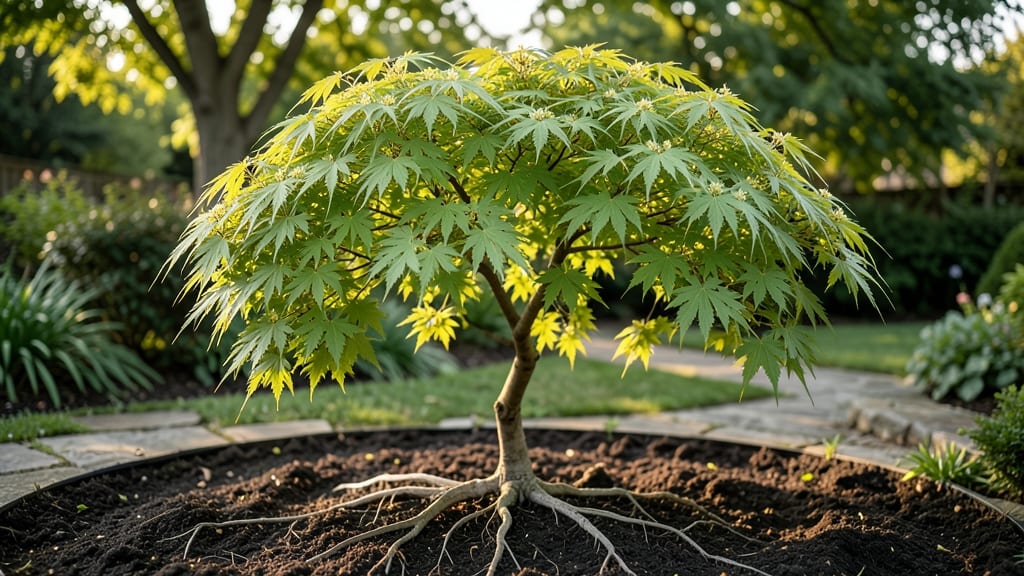
The cutleaf Japanese maple delivers year-round visual interest with its delicate, fern-like foliage that shifts from vibrant green to fiery reds and oranges. 🌿 I've grown this tree for years, and its minimal pruning needs make it a standout for busy gardeners—it thrives with just a little attention and the right conditions.
This tree loves morning sun and afternoon shade, moist but well-drained soil, and protection from harsh winds. Plant it in slightly acidic soil with organic matter, and keep it consistently moist during its first growing season. The secret to its stunning foliage?
Avoid soggy roots and sudden temperature swings. You'll be rewarded with lacy, layered branches that create a natural focal point in any garden. Even in winter, the silhouette adds texture to the landscape. Prune only to shape or remove dead wood—no heavy-handed cuts needed.
Perfect for small gardens, containers, or as a specimen plant. With the right care, your cutleaf Japanese maple will become the star of your landscape for decades.
📚 In This Guide
- What you need
- Instructions
- Tips and common mistakes
- Wrapping up and next steps
What you need
- ● Cutleaf Japanese Maple Tree: 1 container-grown sapling (3–5 gallons) or bare-root specimen (for fall planting)
- ● Pro tip: Choose a disease-resistant cultivar like ‘Seiryu’ or ‘Garnet’ for long-term vibrancy!
- ● Well-draining Soil Mix: 50% high-quality garden soil
- ● 30% organic compost or peat moss
- ● 20% perlite or coarse sand (for aeration)
- ● Planting Hole: 2–3x wider than the root ball
- ● Same depth as the container’s base
- ● Mulch: 2–3 inches of wood chips or pine straw (keep 6 inches away from the trunk!)
- ● Watering Can or Hose: With a gentle spray nozzle (1–2 gallons per watering session)
- ● Essential: Trowel or spade (for digging)
- ● Gloves (to protect your hands—those thorns are sneaky!)
- ● Pruning shears (sterilized, for minimal shaping)
- ○ Optional (But Helpful!): Soil pH tester (ideal range: 5.0–6.5)
- ● Tree stake & ties (if planting in windy areas)
- ● Fertilizer (balanced 10-10-10 or acid-loving plant food)
- ● Slow-release fertilizer pellets (for spring feeding)
- ● ✅ Sunlight: Partial shade (3–6 hours of dappled sun daily; avoid harsh afternoon rays!)
- ● ✅ Climate: USDA Zones 5–8 (hardy to -15°F)
- ● ✅ Spacing: 10–15 feet from structures/other plants (they hate competition!)
- ● ✅ Patience: These beauties grow slowly (12–18 inches per year)—enjoy the journey!
How to grow a stunning cutleaf Japanese maple
Here's the straightforward approach I use to keep these showstopper trees thriving with minimal fuss.
🌱 Step 1: Choose the Perfect Planting Spot
Cutleaf Japanese maples need dappled shade to protect their delicate foliage from harsh afternoon sun. I look for spots with morning sun and afternoon shade—think under tall trees or near north-facing walls. The soil should drain well but stay consistently moist, so avoid low spots where water pools.
Dig a hole twice as wide as the root ball but only as deep. The top of the root ball should sit 1-2 inches above ground level—this prevents water from sitting against the trunk and rotting it. I always loosen the sides of the hole with a shovel so roots can spread easily into surrounding soil.
☀️ Step 2: Plant at the Right Time and Prepare Soil
Spring or early fall are the best times to plant. In spring, aim for 4-6 weeks before your last frost date so roots establish before summer heat. In fall, plant 6-8 weeks before first frost to give roots time to settle before winter.
Mix the native soil with 3-4 inches of compost in the planting hole—this improves drainage while holding moisture. I avoid heavy amendments like peat moss, which can compact over time. Water the hole thoroughly before planting to help settle the soil around roots.
💧 Step 3: Water Deeply and Mulch Properly
After planting, water deeply until the soil 6 inches down feels moist. I use a hose with a gentle stream to avoid disturbing the soil surface. Over the next 2-3 weeks, water every 2-3 days until new growth appears—this encourages strong root development.
Apply 2-3 inches of mulch (I use shredded bark) around the base, keeping it 3 inches away from the trunk. This conserves moisture and regulates soil temperature. Replenish mulch annually in early spring—never let it pile against the trunk where it can trap moisture and cause rot.
✂️ Step 4: Prune Strategically for Year-Round Interest
Cutleaf Japanese maples need minimal pruning, but I focus on removing dead, crossing, or rubbing branches in late winter or early spring. Use clean, sharp pruners to make cuts just outside the branch collar—the bump where the branch meets the trunk.
For shaping, I wait until after flowering to avoid removing next year's blooms. Thin out crowded branches to improve airflow and reduce disease risk. Never prune more than 25% of the canopy in one season—this keeps the tree healthy and maintains its natural form.
🌿 Step 5: Fertilize and Monitor Seasonally
In early spring, apply a balanced, slow-release fertilizer (10-10-10) at half the recommended rate. I avoid high-nitrogen fertilizers, which can promote leafy growth at the expense of vibrant fall colors. Water thoroughly after applying to prevent root burn.
Watch for signs of stress like yellowing leaves or leaf scorch. Yellowing in spring is normal as the tree breaks dormancy, but persistent yellowing or brown edges in summer may signal overwatering or nutrient deficiency. Adjust care based on what you observe—these trees are forgiving but respond best to consistent conditions.
Tips & tricks for perfect cutleaf Japanese maple growth
These simple strategies will help your cutleaf Japanese maple thrive with less effort and more stunning results.
Location is Everything: When selecting your planting spot in Step 1, pay special attention to how the sun moves throughout the day. I've seen maples struggle in spots that get harsh afternoon sun—even with dappled shade, the intensity matters. If you're unsure, test the spot for a week first by placing a small plant there during daylight hours to observe how the light shifts. Morning sun with afternoon shade is ideal, but even partial shade works if the tree gets at least 4-6 hours of filtered light daily.
Root Ball Position Matters: In Step 1, that 1-2 inch elevation above ground level isn't just about drainage—it's about preventing rot. I learned this the hard way when my first maple developed trunk rot from water pooling against the bark. Use a small shovel to create a slight mound of soil around the base after planting to further enhance drainage. This subtle elevation helps water flow away from the trunk while keeping the roots cool.
Timing Your Planting: The 4-6 weeks before last frost in spring and 6-8 weeks before first frost in fall are critical windows. I always check my local frost date calendar and mark these windows on my planting planner. Planting too early can expose tender roots to unexpected late frosts, while planting too late may not give roots enough time to establish before winter. For container-grown trees, you can push these windows slightly—spring planting can go up to 2-3 weeks after last frost if you harden off the plant gradually.
Seasonal Watering Strategy: That 2-3 week watering schedule in Step 3 is perfect for establishing roots, but don't stop there. Once established (after about 2 years), reduce watering to once a week during dry spells. I use the "finger test"—stick your finger about 2 inches into the soil. If it feels dry, it's time to water. Overwatering is the #1 cause of leaf scorch in these trees, so always let the top inch of soil dry out between waterings in mature plants.
Pro Tips for Cutleaf Japanese Maple
- These simple strategies will help your cutleaf Japanese maple thrive with less effort and more stunning results.
- Location is Everything: When selecting your planting spot in Step 1, pay special attention to how the sun moves throughout the day.
- Root Ball Position Matters: In Step 1, that 1-2 inch elevation above ground level isn't just about drainage—it's about preventing rot.
Frequently asked questions
Got questions about growing a cutleaf Japanese maple? You’re not alone! This stunning tree is a favorite for its vibrant foliage and low-maintenance charm—but it’s smart to know the ins and outs before planting. Here are answers to the most common queries to help you grow with confidence.
How fast does a cutleaf Japanese maple grow?
Acutifolium (cutleaf) Japanese maples are slow growers—expect about 6 to 12 inches per year under ideal conditions. Patience is key! Their compact size (typically 10–20 feet tall) makes them perfect for small gardens, but they’ll take 5–10 years to reach maturity.
Can cutleaf Japanese maples survive winter in cold climates?
Yes! These maples are hardy in USDA Zones 5–8, meaning they can handle winters down to -20°F. For extra protection in colder zones, mulch the root zone with 3–4 inches of organic mulch (like wood chips) and avoid winter pruning, which can stress the tree. A burlap wrap can shield young trees from harsh winds.
Why are the edges of my cutleaf Japanese maple leaves turning brown?
Brown edges on leaves are often caused by underwatering, overwatering, or environmental stress. Check soil moisture—it should be consistently moist but not soggy. Also, ensure your tree gets morning sun and afternoon shade to prevent leaf scorch. If the issue persists, test for pests (like spider mites) or fungal diseases and treat accordingly.
What’s the best alternative if I want a maple with similar foliage but faster growth?
If you love the dramatic cutleaf look but want quicker results, consider:
- Bloodgood Japanese Maple – Faster-growing with deep red foliage.
- Emperor 1 Japanese Maple – Compact, vibrant red, and slightly hardier.
- Dwarf Fountain Japanese Maple – Slower but perfect for containers.
When is the best time to prune a cutleaf Japanese maple?
Prune late winter or early spring (just before buds swell) to avoid removing next season’s growth. Avoid heavy pruning in summer or fall, as it can stress the tree. Use sterilized pruners to cut back dead or crossing branches, and always seal larger cuts with pruning sealant to prevent disease.
Still stumped? Drop your question in the comments—we’re happy to help your cutleaf Japanese maple thrive!
Wrapping up and next steps
The cutleaf Japanese maple is a stunning, low-maintenance gem that rewards gardeners with vibrant foliage and minimal fuss. Whether you're drawn to its delicate lace-like leaves or its adaptability to various climates, this tree promises year-round beauty with just a little care. 🌿
Ready to transform your outdoor space? Start by choosing the perfect spot—whether in full sun or partial shade—and gather your supplies. Then, plant with confidence, knowing this resilient tree will thrive with minimal pruning. Your garden’s next masterpiece is just a few steps away!