
Shrubs
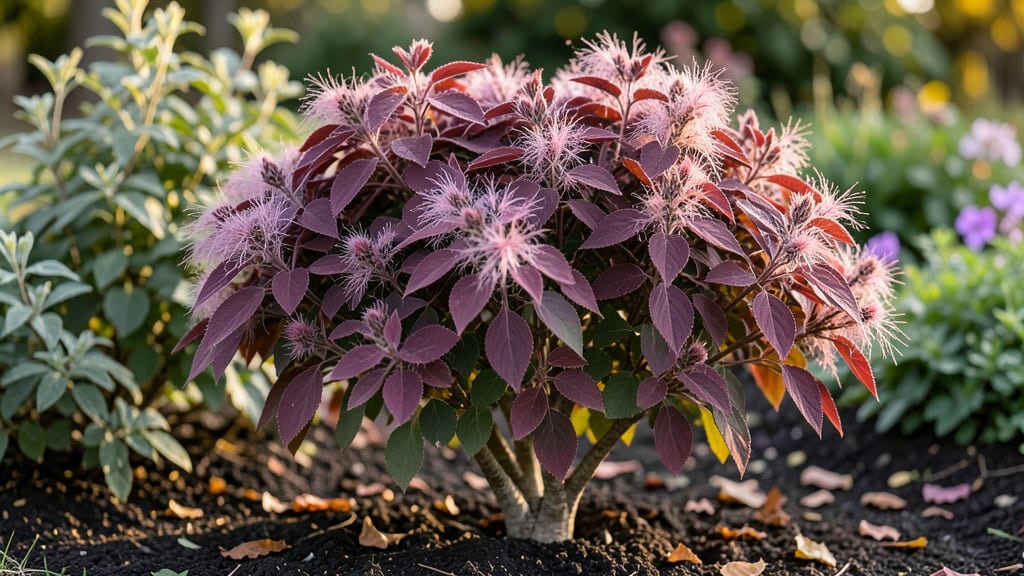
Purple leaf shrubs bring drama to any garden—deep burgundy, violet, and plum hues that steal the show even in winter. 🌿 I’ll never forget the first time I planted a Purple Smoke Bush; its smoky foliage turned my dull corner into a standout feature.
These shrubs aren’t just pretty—they’re tough, thriving in full sun or partial shade with minimal fuss.
Popular picks like Purple Leaf Plum and Weigela offer year-round color, while varieties like Lilac Bush add fragrant blooms in spring. The key to pairing them? Contrast—plant near silver foliage (like lamb’s ear) or bright blooms (like daylilies) to make their purple pop.
They work as borders, focal points, or even in containers for patios.
Seasonal changes are the real magic: some turn bronze in fall, others stay vibrant through frost. A well-placed Purple Leaf shrub can transform a garden from ordinary to unforgettable. Ready to add some drama? Let’s dive into the best ways to showcase them.
Whether you’re working with a small yard or a sprawling landscape, these shrubs adapt beautifully. Their low-maintenance nature makes them perfect for busy gardeners who still want high-impact results. Plus, they attract pollinators—so you get beauty and benefits!
The Science Behind Color Shifts
If you’ve ever marveled at the deep, rich hues of purple leaf shrubs and bushes only to watch them fade, turn dull, or even revert to green, you’re not alone. These stunning plants rely on a delicate balance of biology, environment, and care to maintain their signature vibrancy.
Let’s break down the key reasons why their color might change—and what’s really going on under the leaves.
Most purple-leafed shrubs owe their color to anthocyanins, the same pigments that give blueberries their deep hue or red cabbage its rich color. These water-soluble compounds are highly sensitive to light, temperature, and pH levels.
When a shrub’s genetics produce lower anthocyanin concentrations, the leaves may appear more greenish or pale purple. Additionally, some cultivars are bred for seasonal color shifts—for example, a shrub might look fiery purple in spring but mellow to a softer lavender in summer due to natural pigment fluctuations.
Actionable Tip: If you’re shopping for shrubs, look for varieties labeled as “deep purple” or “persistent color”—these are bred to retain their vibrancy longer. Examples include Cotinus ‘Royal Purple’ or Weigela ‘Wine and Roses.’
Purple leaves are a masking effect—anthocyanins dominate when chlorophyll (the green pigment responsible for photosynthesis) is suppressed. Too much direct sunlight can trigger an overproduction of chlorophyll, diluting the purple tones. Conversely, low light can weaken the plant’s overall health, reducing anthocyanin production and leading to washed-out foliage.
Most purple-leaf shrubs thrive in partial shade (4–6 hours of sun daily). If your plant is in a hot, sunny spot, the leaves may green up as a survival mechanism. On the flip side, if it’s tucked in deep shade, the purple may fade to a muted grayish-purple.
Pro Tip: Monitor your shrub’s location—if the color fades in summer, it might need afternoon shade (e.g., from a nearby tree or lattice). If it’s dull in winter, consider a south-facing exposure to maximize light during shorter days. 🌿
Anthocyanins are water-soluble, meaning hydration levels directly impact their visibility. Overwatering can dilute pigments, washing them out of the leaves and leaving a sad, pale appearance. Conversely, underwatering stresses the plant, causing it to prioritize survival over vibrant color.
But here’s the kicker: soil pH plays a huge role too. Purple-leaf shrubs prefer slightly acidic to neutral soil (pH 6.0–7.0). In alkaline soil (pH 7.5+), anthocyanins break down faster, leading to premature color loss. A simple soil test can reveal if your shrub’s environment is too harsh.
Fix It:
- ✅ Water deeply but infrequently—aim for 1–1.5 inches per week, adjusting for rain.
- ✅ Amend soil with peat moss or pine bark to lower pH if needed.
- ✅ Avoid fertilizers high in lime (calcium carbonate), which raise pH.
Cold snaps, heatwaves, and even temperature fluctuations can trigger color shifts. Many purple-leaf shrubs darken in cooler weather (thanks to increased anthocyanin production as a frost protector) but may lighten in extreme heat due to stress.
For example:
- Early spring: Cooler temps = deeper purples.
- Summer heatwaves: Leaves may scorch or turn dull green.
- Late fall: Some shrubs revert to green as they prepare for dormancy.
Mitigation Strategies:
- 🌡️ Mulch heavily (2–3 inches of organic mulch) to regulate soil temp.
- 💦 Provide afternoon shade during heatwaves to prevent leaf burn.
- ❄️ Protect young shrubs with burlap wraps in late fall to shield from freezing winds.
Purple-leaf shrubs are light feeders. Too much nitrogen (common in lawn fertilizers) promotes lush green growth at the expense of anthocyanins. Meanwhile, deficiencies in phosphorus or potassium can weaken pigment production, leading to dull or patchy color.
Signs of Imbalance:
- 🟢 Too much nitrogen = Leaves turn green or yellow.
- 🟣 Low phosphorus = Stunted growth + faded purple.
- 🟡 Potassium deficiency = Weak stems + pale edges.
Solution: Use a balanced, slow-release fertilizer (10-10-10 or 5-10-10) in early spring. Avoid high-nitrogen formulations like 30-10-10. For organic options, try bone meal (phosphorus) or wood ash (potassium) sparingly.
Understanding these triggers puts you in the driver’s seat to preserve (or even enhance) your shrub’s stunning purple hues. Next up: how to proactively maintain that show-stopping color year-round! 🎨
Revitalize Your Colorful Shrubs
Bringing back the vibrant life of your purple-leafed shrubs and bushes starts with identifying the root cause—and acting fast. Below, we’ve mapped out practical, step-by-step fixes for common issues, plus preventive tips to keep your plants thriving.
Whether it’s dull foliage, pests, or environmental stress, these solutions will help you restore that stunning purple hue.
If your once-vibrant purple leaves have turned lackluster or greenish, it’s often due to nutrient deficiencies, overwatering, or poor sunlight.
🔥 Step 1: Check the Soil & Watering Habits
- Overwatering? Purple leaf plants (like Cercis canadensis or Weigela) hate soggy roots. Let the top 1–2 inches of soil dry out between waterings.
- Underwatering? Wilting or crispy edges?
Water deeply but infrequently—aim for 1–1.5 inches per week (adjust for climate). - Soil test: If soil is compacted or lacks organic matter, amend with compost or peat moss to improve drainage and nutrient retention.
🍳 Step 2: Feed for Vibrancy
Purple foliage thrives with the right nutrients. Use a balanced, slow-release fertilizer (10-10-10) in early spring and mid-summer.
For extra color boost: - Iron supplements (if leaves turn yellow between veins). - Magnesium sulfate (Epsom salt)—dissolve 1 tbsp per gallon of water and apply monthly for deeper purples.
👨🍳 Step 3: Optimize Sunlight
Most purple leaf shrubs need full sun (6+ hours/day). If placed in shade:
- Gradually acclimate them to more sunlight over 2–3 weeks.
- Prune nearby trees/shrubs blocking light.
💡 Prevention Tip:
✨ Mulch properly—use 2–3 inches of wood chips around the base (but keep it 6 inches away from the trunk) to retain moisture and regulate soil temp.
Spotted mites, aphids, or fungal issues can strip color and weaken your shrubs.
🔪 Step 1: Identify the Culprit
| Problem | Signs | Quick Fix |
|---|---|---|
| Spider Mites | Tiny webs, stippled leaves | Spray with neem oil or water blast (forceful hose spray). |
| Aphids | Sticky residue, curled leaves | Dab soapy water (1 tsp dish soap + 1 quart water) on affected areas. |
| Powdery Mildew | White fuzzy coating | Apply baking soda spray (1 tsp baking soda + 1 quart water + few drops of soap). |
| Leaf Spot Fungus | Brown/yellow spots | Prune infected leaves; copper fungicide if severe. |
⏰ Step 2: Cultural Controls
- Improve airflow—thin out dense growth by light pruning in late winter.
- Water at the base (avoid wetting foliage) to prevent fungal spores.
- Clean up debris—remove fallen leaves to reduce pest/harboring spots.
🎯 Prevention Tip:
✨ Encourage beneficial insects—plant marigolds or lavender nearby to attract ladybugs and lacewings, which devour pests naturally.
Harsh winters, heatwaves, or transplant shock can dull purple hues.
🔥 Step 1: Winter Protection
- Mulch heavily (4–6 inches) with straw or shredded leaves before the first frost.
- Wrap young shrubs in burlap if temps drop below 10°F.
- Avoid fertilizing in late fall—it encourages tender new growth that can freeze.
🥘 Step 2: Beat the Heat
- Provide afternoon shade with a lightweight shade cloth (30–50%) during extreme heat.
- Mist leaves in the morning to reduce stress (but avoid evening misting to prevent fungal growth).
- Deep water during droughts—drip irrigation is best to keep roots moist.
💡 Prevention Tip:
✨ Choose the right location—purple leaf shrubs like Weigela and Smokebush thrive in USDA Zones 4–9 but may need winter protection in colder zones.
Overgrown or improperly pruned shrubs lose their shape—and their vibrancy.
🔪 Step 1: When & How to Prune
- Best time: Late winter/early spring (before new growth).
- Method:
- Rejuvenation pruning (for overgrown shrubs): Cut back 1/3 of old stems to the ground each year for 3 years.
- Shaping pruning: Trim just above a leaf bud at a 45° angle for better regrowth.
- Dead/weak wood: Remove any brown, brittle branches immediately.
💡 Prevention Tip:
✨ Avoid heavy pruning in fall—it stimulates tender growth that won’t survive winter.
To keep your purple leaf shrubs bold and healthy, adopt these habits:
- Monitor soil pH—aim for 6.0–7.0 (test with a kit or send to a lab).
- Rotate fertilizers—alternate between organic (compost) and synthetic for balanced growth.
- Divide overcrowded shrubs every 3–5 years to prevent competition for nutrients.
- Watch for nutrient lockout—if leaves turn purple (not the vibrant kind!), it may signal too much phosphorus; flush soil with water and rebalance fertilizer.
Pro Tip: 🌟 Take before-and-after photos—tracking changes helps you adjust care routines faster!
With these fixes, your purple leaf shrubs will bounce back with richer color, stronger growth, and fewer setbacks. Start with one issue at a time, and soon you’ll have a year-round foliage showstopper!
Frequently asked questions
Which purple leaf shrubs are best for small gardens or containers?
Compact varieties like Dwarf Purple Leaf Plum (Prunus cerasifera 'Nigra') or Purple Leaf Japanese Maple (Acer palmatum 'Atropurpureum') thrive in containers. For borders, try Weigela 'Wine and Roses'—it stays under 4 feet tall and blooms in spring. All three handle pruning well, making them perfect for shaping.
Do purple leaf shrubs attract pollinators like bees or butterflies?
Many do! While the foliage is the star, some varieties like Purple Leaf Plum and Lilac Bush produce fragrant spring blooms that bees adore. For extra pollinator appeal, pair with lavender or coneflowers—their purple hues complement your shrubs while creating a pollinator paradise.
How do I tell if my purple leaf shrub needs more sun or shade?
Check the leaf color: Green streaks mean too much sun (chlorophyll dominates), while dull, grayish-purple means too little light. Most thrive with 4–6 hours of sun daily. Start with morning sun + afternoon shade, then adjust based on how the foliage responds over 2–3 weeks.
Can I plant purple leaf shrubs near my home's foundation?
Yes, but choose non-invasive varieties like Smokebush (Cotinus) or Purple Leaf Sand Cherry (Prunus x cistena). Keep roots 3–4 feet from the foundation to avoid moisture issues. Their deep roots help stabilize soil, but avoid planting too close if your home has a crawl space.
Will my purple leaf shrub change color in winter?
Most retain their purple hues, but some like Purple Leaf Plum may turn bronze or even green in cold snaps. Others, like Weigela, stay vibrant year-round. Mulch heavily (4–6 inches) before winter to protect roots and preserve color—just remove it in early spring to prevent rot.