
Landscaping
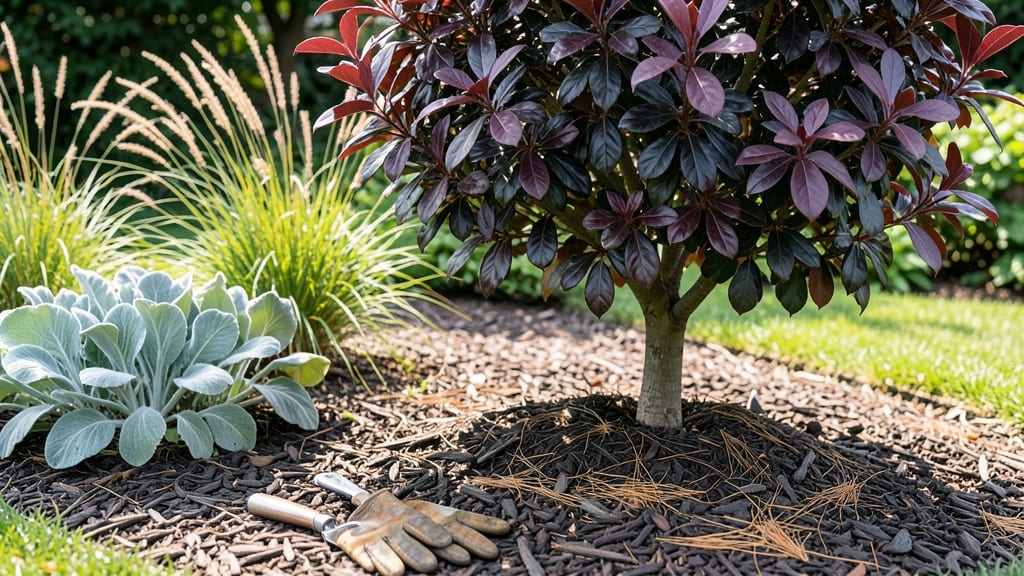
Purple leaf sand cherry trees turn your yard into a living painting. 🌿 Their deep purple foliage creates bold contrast against any landscape backdrop, whether you're framing a pathway or anchoring a mixed border.
The secret to making them shine isn't just planting them—it's pairing them with the right companions and understanding how their colors evolve through the seasons.
These trees thrive in full sun to partial shade, making them versatile for almost any yard. I've seen them work as dramatic focal points near entryways or as understated accents in cottage-style gardens.
Their compact size (typically 15-20 feet tall) means they won't overwhelm small spaces, yet their striking foliage commands attention. The real magic happens when you layer them with silver-blue foliage plants like lamb's ear or soft yellows from forsythia to create visual harmony.
What you'll love most is how they perform year-round. Spring brings fresh purple leaves, summer offers subtle color shifts, and fall delivers brilliant orange-red hues before winter's stark branches create elegant silhouettes.
This tree doesn't just look good—it transforms your landscape through every season. The key is proper placement where their colors can truly pop against your home's exterior or garden features.
Perfect for both formal and informal garden styles. Whether you're creating a modern urban garden or a traditional English border, this tree delivers drama with minimal effort. Let's explore how to make it the star of your outdoor space!
📚 In This Guide
- What you need
- Instructions
- Tips and common mistakes
- Wrapping up and next steps
What you need
- ● Purple Leaf Sand Cherry Tree (Prunus x cistena): 1 mature tree (3–6 ft tall, 1–2 ft wide) or 3–5 young saplings (1–2 ft tall) for clustering.
- ● Choose USDA Hardiness Zones 3–8 varieties (e.g., 'Okame' or 'Spire' cultivars).
- ● Planting Hole: 2–3 times wider than the root ball, with loose, well-draining soil.
- ● High-Quality Mulch: 2–3 inches of wood chips or pine straw (keep 6 inches away from the trunk).
- ● Organic Compost: 5–10 lbs mixed into the planting hole for nutrients.
- ● Watering Can or Hose: With a gentle spray nozzle (1–2 gallons per watering).
- ● Gloves & Pruning Shears: For handling and shaping (sterilize with rubbing alcohol).
- ○ Staking (Optional but Recommended for Young Trees): 2–3 2-inch-wide bamboo stakes (6 ft tall).
- ● Soft tree tie straps (3–4 pieces).
- ● Slow-Release Fertilizer: 1 lb of balanced 10-10-10 or citrus-specific fertilizer (spring/fall).
- ● Soil pH Test Kit: To ensure slightly acidic to neutral (6.0–7.0) soil.
- ● Decorative Rocks or Edging: For a polished border around the base.
- ● Drip Irrigation System: For automated watering (great for dry climates!).
- ● Seasonal Pruning Tools: Loppers (for thicker branches).
- ● Hand pruners (for precision trimming).
Step-by-step guide to planting purple leaf sand cherry trees
This striking tree thrives with the right placement and care—here’s how to make it the star of your landscape.
🌱 Step 1: Choose the Perfect Planting Spot
Purple Leaf Sand Cherry loves full sun for its best color, so pick a location that gets at least 6-8 hours of direct sunlight daily. I always check the sun patterns throughout the day—morning sun is great, but afternoon shade helps prevent leaf scorch in hot climates. Avoid low spots where cold air pools, as these trees can suffer damage in winter freezes below 15°F.
Test the soil drainage by digging a hole and filling it with water. If it drains in less than 30 minutes, the spot is ideal. Sandy or loamy soil works best—this tree hates soggy roots. Amend heavy clay with 2-3 inches of compost mixed into the top 12 inches of soil to improve aeration.
🪴 Step 2: Dig and Prepare the Planting Hole
Dig a hole twice as wide as the tree’s root ball but only as deep—planting too deep suffocates roots. I like to loosen the sides of the hole with a shovel to encourage roots to spread outward. For a 4-inch caliper tree (standard size), aim for a 24-inch diameter hole. If your soil is poor, mix in 1 part compost to 3 parts native soil in the hole to give it a nutrient boost.
Set the tree in the hole so the top of the root ball sits 1-2 inches above ground level. This prevents root rot and allows for future settling. Gently remove any plastic pots or burlap wraps—roots should spread freely. If the tree is bare-root, soak the roots in lukewarm water for 10-15 minutes before planting to revive them.
☀️ Step 3: Backfill and Water Thoroughly
Fill the hole with the amended soil, tamping down lightly every 3-4 inches to eliminate air pockets. I use my hands to press the soil gently—too much force can compact it. Leave a 2-inch deep basin around the base to hold water. Pour 5 gallons of water slowly into the basin, letting it soak in completely. This helps settle the soil and eliminates air gaps.
After watering, check the soil 2 inches deep—it should feel moist but not soggy. Mulch the area with 2-3 inches of organic mulch (like shredded bark), keeping it 6 inches away from the trunk to prevent rot. Mulch helps retain moisture and regulates soil temperature, which is especially important in the first year.
✂️ Step 4: Prune and Support for Healthy Growth
Prune any broken, crossing, or diseased branches before planting to give the tree a strong start. Use clean, sharp pruners to make cuts at a 45-degree angle just above an outward-facing bud. Avoid heavy pruning—this tree’s vibrant foliage comes from its natural shape. If the tree is leggy, trim back the longest branches by one-third to encourage bushier growth.
Stake the tree only if it’s taller than 6 feet or in a windy location. Use two stakes placed 6 inches from the trunk and tie the tree loosely with soft fabric strips—never wire, which can girdle the trunk. Remove stakes after 1 year to avoid weakening the trunk. Water deeply once a week for the first month, then taper to every 2 weeks once established.
🌿 Step 5: Maintain for Year-Round Color
Fertilize in early spring with a balanced, slow-release fertilizer (10-10-10) applied 6 inches away from the trunk. Avoid high-nitrogen fertilizers—they promote leafy growth at the expense of the tree’s signature purple hue. Water deeply every 2 weeks during dry spells, but never let the soil stay soggy. Purple Leaf Sand Cherry is drought-tolerant once established, but young trees need consistent moisture.
Watch for aphids or spider mites on new growth—spray with neem oil if you spot sticky residue or yellowing leaves. This tree is generally pest-resistant, but stress from poor soil or overwatering invites problems. In late winter, prune out any dead or weak branches to keep the tree looking sharp. With the right care, your Purple Leaf Sand Cherry will burst with color from spring through fall—and even hold its foliage into winter.
Tips & tricks for planting purple leaf sand cherry trees
Here's what I've learned from years of planting these stunning trees—these details make all the difference for vibrant, healthy growth.
Sunlight Strategy: While the instructions mention 6-8 hours of sun, I've found that morning sun paired with afternoon shade in hot climates actually enhances the purple foliage. If you're in a very sunny region, consider planting near a building or tree that provides afternoon shade during peak summer months. The color intensity will thank you! The 6-8 hour guideline is perfect for most climates, but this adjustment prevents leaf scorch that can dull the vibrant hues.
Soil Preparation Secret: The drainage test is crucial—if water drains slower than 30 minutes, your tree will struggle. I've had success adding perlite or coarse sand to heavy clay soils to improve drainage while maintaining moisture. For the 2-3 inches of compost amendment, I recommend using a high-quality compost with a 2:1 ratio of browns to greens for optimal nutrient balance. This gives your tree's roots exactly what they need without overwhelming them.
Root Revival Technique: For bare-root trees, that 10-15 minute soak in lukewarm water is non-negotiable. I've seen roots revive dramatically during this time, and it makes all the difference in transplant shock. Pro tip: Add a root stimulator to the water for even better results. This step is especially important if your tree has been sitting in a dry nursery pot for any length of time.
Watering Wisdom: After planting, I've learned to check soil moisture at 2 inches deep—this is where the roots will be establishing first. The 5 gallons of initial watering should be followed by a consistent schedule: once weekly for the first month, then every 2 weeks. In extremely hot weather, you might need to water more frequently, but never let the soil stay soggy. This balance is key to preventing both drought stress and root rot.
Pro Tips for Landscaping Purple Leaf Sand Cherry
- Here's what I've learned from years of planting these stunning trees—these details make all the difference for vibrant, healthy growth.
- Sunlight Strategy: While the instructions mention 6-8 hours of sun, I've found that morning sun paired with afternoon shade in hot climates actually enhances the purple foliage.
- Soil Preparation Secret: The drainage test is crucial—if water drains slower than 30 minutes, your tree will struggle.
Frequently asked questions
Got questions about adding purple leaf sand cherry to your landscape? You’re not alone! Here are some of the most common queries—and their answers—to help you get started with confidence.
Is the purple leaf sand cherry hard to grow?
The good news? This plant is surprisingly low-maintenance! It thrives in full sun to partial shade and tolerates a range of soil types, including clay and sandy soils. Just ensure well-draining soil to prevent root rot. Once established, it’s drought-tolerant and handles urban pollution well—perfect for busy gardeners!
How long does it take for the purple leaf sand cherry to show its signature purple foliage?
Newly planted trees may take 1–3 years to fully develop their vibrant purple leaves, depending on growing conditions. Young leaves often emerge green before maturing to their stunning purple hue. Patience pays off—once mature, the color intensifies in cooler weather, creating a dramatic seasonal show!
Can I plant purple leaf sand cherry in containers?
While it’s possible to grow this tree in large containers (at least 24–36 inches wide), it’s not ideal for long-term container life. The roots can become root-bound, limiting growth and health. For best results, plant it in the ground where it can spread its roots freely. If you love containers, consider dwarf varieties or smaller shrubs like purple smoke bush as alternatives.
Are purple leaf sand cherries messy or prone to pests?
These trees produce small, non-edible cherries that birds and wildlife adore—but they’re not messy like fruit trees. The cherries are tart and unappealing to humans. As for pests, they’re generally resistant, though aphids may occasionally appear. A strong spray of water or insecticidal soap usually keeps them in check.
Will my purple leaf sand cherry lose its color in hot summers?
Yes! In extreme heat (above 90°F), the leaves may revert to green or fade slightly. To preserve that show-stopping purple, provide afternoon shade in scorching climates or mulch heavily to retain moisture. The color typically rebounds in cooler weather, so don’t worry—your tree isn’t “dying”! It’s just taking a summer break.
What’s a good alternative if I want purple foliage but need a smaller plant?
If space is limited, consider these purple-leaved shrubs:
- Dwarf Fothergilla – Compact, fragrant spring blooms, and fiery fall color.
- Purple Smoke Bush – Drought-tolerant with dramatic purple stems.
- Cotoneaster – Offers berries and vibrant fall hues.
Wrapping up and next steps
Transforming your outdoor space with purple leaf sand cherry isn’t just about adding color—it’s about creating a dramatic, low-maintenance masterpiece that thrills year-round. 🌿 Whether you’re drawn to its fiery fall hues, winter hardiness, or wildlife-friendly appeal, this versatile shrub delivers effortless beauty with minimal fuss.
Ready to elevate your landscape? Start by sketching your vision, gathering your tools, and planting with confidence—your future garden’s star is just a shovel’s throw away!
- Next step: Pick a sunny spot, grab your gloves, and let the purple leaf sand cherry work its magic! 🌟