
Blooming
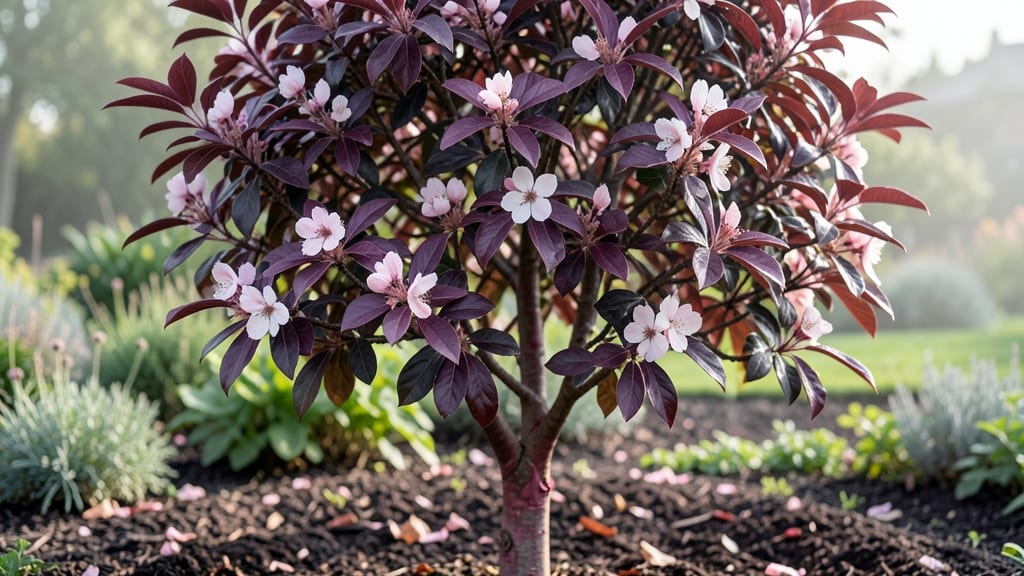
That first flush of purple leaf plum bloom in early spring is what makes this tree a standout—vibrant pink flowers against deep purple foliage that lasts all season. 🌸 I planted mine five years ago after seeing it in a neighbor’s yard, and it’s been the easiest, most striking addition to my garden ever since.
The secret isn’t just the blooms; it’s how the foliage stays rich purple even after flowers fade, giving you color from spring through fall.
This tree thrives in full sun but handles partial shade too, making it perfect for small yards or urban spaces. The soil doesn’t need to be fancy—just well-draining—and watering is simple: deep soaks once a week during dry spells.
Pruning in late winter keeps the shape tidy and encourages even more blooms next year. Most people overlook one key detail: avoiding heavy pruning after spring bloom, or you’ll sacrifice next year’s flowers.
What you’ll end up with is a tree that turns heads in every season—spring for the flowers, summer for the glossy purple leaves, and even winter for its bare branches that add structure to the landscape.
The best part? It’s nearly pest-free and rarely needs fertilizer. My tree now gets compliments from everyone who walks by, and I’ve never spent more than 10 minutes on maintenance each year.
Whether you’re planting in a sunny border, as a specimen tree, or even in a large container, this plum delivers year-round interest with almost no effort. Here’s how to get the most out of yours—starting with the right spot and a few simple care tricks.
📚 In This Guide
- What you need
- Instructions
- Tips and common mistakes
- Wrapping up and next steps
What you need
- ● Purple Leaf Plum Tree (Prunus cerasifera 'Atropurpurea') – Choose a healthy, 1-3 gallon container-grown sapling (or bare-root in winter). Nurseries often carry this cultivar!
- ● High-quality potting soil or native soil mix – Aim for well-draining, slightly acidic to neutral (pH 6.0–7.0). Avoid heavy clay soils.
- ● Organic compost or slow-release fertilizer – 5-10-5 NPK ratio (e.g., 10-20 lbs per 100 sq ft) to kickstart growth.
- ● Mulch (wood chips or shredded bark) – 2–4 inches thick to retain moisture and suppress weeds.
- ● Shovel or trowel – For digging planting holes (size depends on root ball).
- ● Garden gloves – Heavy-duty, waterproof to protect your hands.
- ● Pruners (sterilized) – Bypass pruners for shaping and removing dead branches.
- ● Watering can or hose with nozzle – Adjustable spray setting for gentle watering.
- ● Measuring tape – To ensure proper spacing (15–20 feet apart for mature trees).
- ● Tree stake & ties – If planting in windy areas (use biodegradable options).
- ● Drip irrigation kit – For low-maintenance watering (especially in drought-prone areas).
- ● Epsom salt (magnesium sulfate) – 1 tbsp per gallon of water to boost purple foliage intensity.
- ● Reflective mulch or garden flags – To highlight the tree’s vibrant colors in shaded areas.
How to keep your purple leaf plum blooming year-round
This is the simple routine I use to keep my purple leaf plum vibrant through all seasons—no fuss, just consistent care.
☀️ Step 1: Plant in Full Sun for Maximum Color
Purple leaf plums thrive in 6-8 hours of direct sunlight daily. The deeper the purple foliage, the more sun it gets. I always plant mine where they’ll catch morning light and afternoon sun—this prevents the leaves from fading to green.
If your yard has limited sun, choose a spot that gets at least 4 hours of sunlight. The leaves will be less intense, but the tree will still bloom beautifully. Watch for leaves that look dull or pale—they’re begging for more light.
💧 Step 2: Water Deeply but Infrequently
Once established, purple leaf plums are drought-tolerant, but they need 1-1.5 inches of water per week during dry spells. I water deeply once a week rather than shallow daily watering—this encourages strong root growth.
Check moisture by sticking your finger 2 inches into the soil. If it feels dry, water thoroughly until it runs out the drainage holes. Overwatering causes root rot, so let the topsoil dry between waterings. Yellowing leaves usually mean too much water.
✂️ Step 3: Prune for Shape and Airflow
Prune in late winter or early spring before new growth starts. Remove any dead, diseased, or crossing branches first—this keeps the tree healthy and encourages new blooms. I also thin out crowded branches to improve airflow, which prevents fungal issues.
Shape the tree by cutting back overgrown branches to maintain an open center. Never remove more than 25% of the tree’s foliage in one pruning session. Thin branches should be cut back to a strong lateral branch or bud. Watch for new growth after pruning—it’s your sign the tree is responding well.
🌿 Step 4: Feed Lightly in Early Spring
A balanced, slow-release 10-10-10 fertilizer in early spring gives your purple leaf plum just enough nutrients to support vibrant blooms and foliage. I spread a handful around the drip line and water it in thoroughly.
Avoid heavy fertilizing—too much nitrogen makes leaves grow fast but dulls the purple color. If you notice excessive leaf growth with pale foliage, cut back on fertilizer. The goal is to keep the purple hue rich, not promote rapid, weak growth.
⏰ Step 5: Protect Against Winter Stress
Purple leaf plums are hardy, but young trees benefit from winter protection. Wrap the trunk with tree wrap to prevent sun scald and cracking. I also mulch around the base with 2-3 inches of organic mulch to insulate roots.
Watch for signs of winter damage—split bark or brown patches on the trunk. If you live in a very cold climate, consider a burlap wrap for extra insulation. The tree will bounce back in spring if the roots stay protected.
Tips & tricks for vibrant purple leaf plum care
Here's what I learned after years of keeping my purple leaf plum stunning—simple tweaks that make all the difference.
Sunlight Secret: The 6-8 hours of sunlight mentioned in Step 1 are non-negotiable for that deep purple color. I've noticed that even just an hour less sunlight can make the leaves fade to a dull lavender. If your yard has afternoon shade, position the tree to catch morning sun instead—it's more forgiving for maintaining that rich hue.
Watering Wisdom: That 2-inch soil check in Step 2 is your best friend. I used to water every few days based on guesswork, but now I stick my finger in first—if it's dry at 2 inches, water thoroughly. The key is letting the topsoil dry between waterings; this prevents root rot while keeping the roots happy. Overwatering is the #1 reason I've seen purple leaf plums struggle.
Pruning Pro Tip: When shaping in Step 3, always cut just above a bud or lateral branch—never leave a stub. I've ruined too many pruning jobs by leaving those little nubs that create weak growth points. Also, if you're unsure which branches to remove, ask yourself: "Does this branch cross another or block sunlight?" If yes, it's probably time to say goodbye.
Fertilizer Fine-Tuning: That 10-10-10 fertilizer in Step 4 is perfect, but here's my secret: I only apply half the recommended amount. Too much nitrogen will make your tree grow like crazy but lose that gorgeous purple pigment. Think of it as a gentle nudge rather than a feeding frenzy—your tree will thank you with those vibrant leaves.
Pro Tips for Purple Leaf Plum Bloom
- Here's what I learned after years of keeping my purple leaf plum stunning—simple tweaks that make all the difference.
- Sunlight Secret: The 6-8 hours of sunlight mentioned in Step 1 are non-negotiable for that deep purple color.
- Watering Wisdom: That 2-inch soil check in Step 2 is your best friend.
Frequently asked questions
Got questions about keeping your purple leaf plum bloom vibrant and thriving? You’re not alone! Here are answers to the most common queries gardeners have about these stunning, low-maintenance trees.
When is the best time to plant a purple leaf plum for optimal blooms?
The ideal time to plant a purple leaf plum is in early spring or fall when temperatures are mild. This gives the tree time to establish roots before extreme heat or cold. Avoid planting in summer—root stress can reduce blooming potential for the next season!
Why aren’t my purple leaf plum blooms as vibrant as they should be?
Dull or pale blooms often signal nutrient deficiencies, overwatering, or poor sunlight. Ensure your tree gets 6+ hours of direct sun daily and prune dead branches in late winter. A balanced spring fertilizer with phosphorus (for blooms) can also help. If soil is compacted, aerate it to improve drainage.
Can I grow a purple leaf plum in a container? How do I care for it?
Yes! Smaller varieties like ‘Okame’ thrive in containers with well-draining soil and a pot at least 18 inches wide. Use a mix of potting soil and perlite, and repot every 2–3 years. Water when the top inch of soil is dry, and fertilize monthly during spring/summer. Winterize by moving it indoors or wrapping the pot in burlap.
Are purple leaf plums cold-hardy? How do I protect them in winter?
Most purple leaf plums tolerate USDA Zones 5–9, but young trees or harsh winters may need protection. Mulch the base with 2–3 inches of organic mulch and water deeply before the first freeze to prevent root damage. Wrap the trunk with tree guard or burlap to shield it from windburn and rodent nibbling.
What are some low-maintenance alternatives if purple leaf plums don’t thrive in my climate?
If your area has extreme heat, humidity, or poor drainage, consider these bloom-packed alternatives:
- Japanese maple (Acer palmatum) – Stunning foliage with minimal care.
- Smoke bush (Cotinus) – Drought-tolerant with smoky purple plumes.
- Dwarf lilac (Syringa meyeri) – Fragrant blooms and cold-hardy.
- Ornamental cherry (Prunus serrulata ‘Kanzan’) – Vibrant spring flowers.
Wrapping up and next steps
The purple leaf plum bloom is a stunning, low-maintenance addition to any garden, offering vibrant color and easy care. Whether you're a seasoned gardener or just starting, this tree brings year-round beauty with minimal effort—perfect for transforming your outdoor space into a breathtaking retreat. 🌸
Now that you’re armed with the secrets to nurturing your purple leaf plum, why not take the next step? Visit a local nursery to pick out your tree, or share your excitement with fellow plant enthusiasts online. Your garden’s showstopping centerpiece awaits—go plant that color! 🌿