
Plants
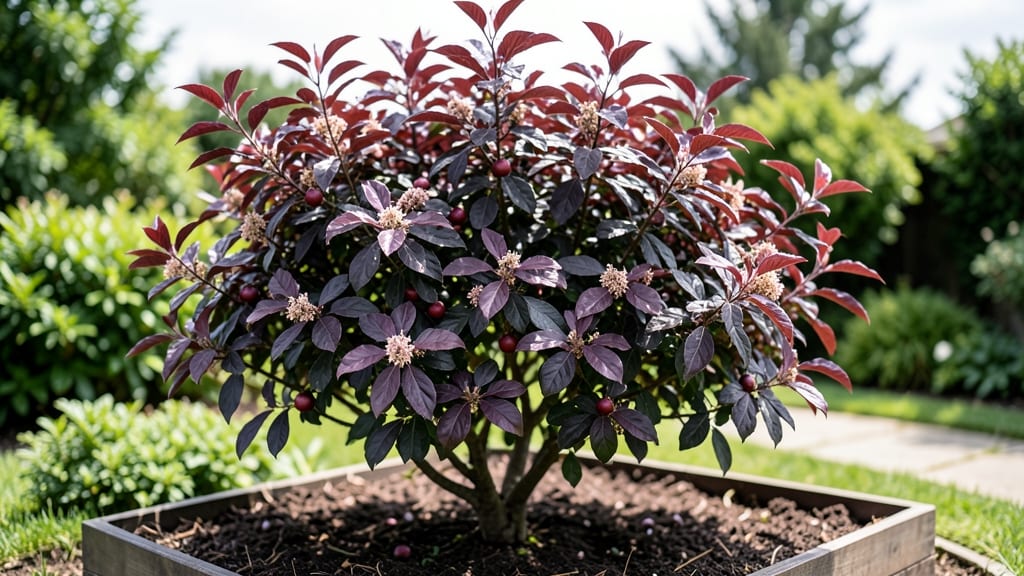
Purple leaf plants turn any garden into a living work of art—deep burgundy, violet, or plum foliage that stays showstopping from spring through fall. 🌿 I’ve grown everything from the classic Prunus cerasifera ‘Atropurpurea’ to the delicate Acer palmatum ‘Bloodgood’, and these plants never disappoint, even in tough conditions.
The secret to their success? They’re not fussy—just give them full sun to partial shade, well-draining soil, and water when the top inch feels dry. Most varieties handle drought surprisingly well once established, and their bold colors even brighten shady spots.
My ‘Atropurpurea’ cherry tree still thrives after 10 years with minimal care. What you’ll love most is how they transform a space: purple leaf plum trees add drama as focal points, while smaller varieties like Cercis canadensis ‘Forest Pansy’ bring color to borders and containers.
The foliage intensifies in cooler weather, giving you a season-long show. Whether you’re filling a large yard or a small patio, these plants deliver low-maintenance beauty with high impact. Let’s get yours growing!
📚 In This Guide
- What you need
- Instructions
- Tips and common mistakes
- Wrapping up and next steps
What you need
- ● Purple leaf plant seeds or cuttings: Seeds: 5–10 (for better germination odds) OR
- ● Cuttings: 2–3 healthy stems (4–6 inches long)
- ● Well-draining potting mix: 1 bag (5–10 gallons) of cactus/succulent mix OR regular potting soil + perlite (50/50 ratio)
- ● Containers: 1–2 pots (6–8 inches in diameter) with drainage holes OR
- ● Garden bed (if planting outdoors, ensure full sun to partial shade)
- ○ Rooting hormone (optional but helpful): Small bottle (for cuttings)
- ● Basic gardening tools: Pruners or sharp scissors (for cuttings)
- ● Trowel (for transplanting)
- ● Spray bottle (for misting seeds/cuttings)
- ● Fertilizer: Balanced liquid fertilizer (e.g., 10-10-10) OR slow-release granules
- ○ Mulch (optional): 1–2 inches of organic mulch (e.g., bark or straw) to retain moisture
- ● Sunlight access: Bright, indirect light (6+ hours/day for indoor plants; full sun outdoors)
- ● Watering can or hose: With a gentle spray nozzle
Step-by-step instructions for cultivating stunning purple leaf plants
Here’s how to grow vibrant purple leaf plants that stay bold and healthy all year—no fancy tricks required.
🌱 Step 1: Select the Right Variety and Location
Purple leaf plants thrive in full sun to partial shade, depending on your climate. Varieties like purple leaf plum or purple smoke bush deliver the deepest hues when planted in 6+ hours of direct sunlight daily. If you’re in a hotter zone, afternoon shade prevents leaf scorch.
I always check the mature size of the plant before choosing a spot—some varieties grow 10-15 feet tall, while dwarf cultivars stay under 3 feet. Dig a hole twice as wide as the root ball but no deeper, and loosen the soil around it to encourage root spread.
☀️ Step 2: Plant in Well-Draining Soil with Proper Sunlight
Purple leaf plants hate soggy roots, so amend heavy clay soil with compost or organic matter to improve drainage. A slightly acidic to neutral pH (6.0-7.0) keeps the foliage vibrant. Mix in a slow-release fertilizer at planting to give roots a nutrient boost.
Place the plant so the top of the root ball sits 1 inch below soil level—this prevents stem rot while encouraging strong root growth. Water deeply right after planting to settle the soil, then let it dry slightly before watering again. Overwatering at this stage suffocates roots.
💧 Step 3: Water and Fertilize for Year-Round Color
Once established, purple leaf plants tolerate drought better than most, but they still need 1-1.5 inches of water weekly during dry spells. Water at the base, not overhead, to avoid fungal issues. You’ll know it’s time to water when the top 2 inches of soil feel dry.
Feed with a balanced, 10-10-10 fertilizer every 6-8 weeks in spring and summer. Skip fall fertilization—new growth won’t harden off before winter. Mulch with 2-3 inches of organic mulch to retain moisture and protect roots in cold snaps.
✂️ Step 4: Prune for Shape and Health
Prune in late winter or early spring to shape the plant and encourage dense growth. Cut back one-third of the oldest stems to the ground, and trim any dead or crossing branches. This also prevents the plant from becoming leggy and sparse.
For flowering varieties, deadhead spent blooms to redirect energy into foliage production. Avoid heavy pruning in fall—it stresses the plant before winter dormancy. Use clean, sharp pruners to make cuts at a 45-degree angle just above a leaf node.
⏰ Step 5: Protect and Maintain Through Seasons
In winter, add a 3-inch layer of mulch around the base to insulate roots from freezing temperatures. Purple leaf plants are generally hardy, but young plants may need winter protection in colder climates. Watch for signs of stress—yellowing leaves often mean overwatering or poor drainage.
If you notice powdery mildew, treat with neem oil and improve airflow by thinning out dense branches. With proper care, your purple leaf plant will reward you with vibrant foliage year-round, making it the star of any landscape.
Tips & tricks for perfect purple leaf plant cultivation
Between us, these are the little details that make the difference between a plant that just survives and one that truly thrives with that stunning purple hue year after year.
Lighting Strategy: I've learned this the hard way after watching plants fade to green—purple leaf plants need that 6+ hours of direct sunlight daily to maintain their vibrant color. In hotter climates, afternoon shade becomes your best friend. If you notice leaves losing their purple tint, it's time to move them to a sunnier spot or supplement with a grow light during shorter winter days. The color intensity directly correlates with sunlight exposure.
Soil Science: The soil pH range of 6.0-7.0 isn't just a suggestion—it's critical for that vibrant foliage. Test your soil before planting, and if it's too alkaline, mix in peat moss or sulfur to adjust. I also recommend adding a handful of compost or organic matter to improve drainage, which purple leaf plants absolutely hate being soggy. Think of it as creating a perfect sponge-like environment that holds moisture without drowning the roots.
Pruning Precision: When you're cutting back one-third of the oldest stems in Step 4, here's what nobody tells you—make those cuts just above a leaf node at a 45-degree angle. This encourages new growth from exactly where you want it. I always use clean, sharp pruners to prevent tearing, and I never prune in fall because it stresses the plant before winter dormancy. The timing and technique both matter more than you might think.
Seasonal Adjustments: That 3-inch layer of mulch in winter isn't just decoration—it's insulation. For young plants in colder climates, consider adding an extra layer of straw or leaves as a protective blanket. And here's a pro move: in early spring, remove the old mulch before new growth appears to prevent rot. The same goes for your 2-3 inches of organic mulch in summer—refresh it annually to maintain its moisture-retaining properties.
Pro Tips for Purple Leaf Plant
- Between us, these are the little details that make the difference between a plant that just survives and one that truly thrives with that stunning purple hue year after year.
- Lighting Strategy: I've learned this the hard way after watching plants fade to green—purple leaf plants need that 6+ hours of direct sunlight daily to maintain their vibrant color.
- Soil Science: The soil pH range of 6.0-7.0 isn't just a suggestion—it's critical for that vibrant foliage.
Frequently asked questions
Got questions about growing purple leaf plants? You’re not alone!
Here are answers to the most common queries to help you cultivate stunning, vibrant foliage with confidence.
What are the best purple leaf plants for beginners?
Start with Coleus or Purple Heart (Tradescantia pallida)—both are hardy, fast-growing, and forgiving. For trees, Purple Smoke Bush (Cotinus coggygria) or Japanese Maple (Acer palmatum 'Osakazuki') are excellent choices. These thrive in partial shade and require minimal care!
How long does it take for purple leaf plants to show their color?
Most purple-leafed plants reveal their bold hues within 4–8 weeks of planting, especially with proper sunlight. Coleus and Purple Heart may take 6–12 weeks to fully deepen in color. Patience pays off—cooler temps (like spring/fall) often intensify the purple tones!
Can purple leaf plants grow in full shade?
While they prefer partial shade (3–6 hours of sunlight), some varieties like Purple Leaf Plumbago (Plumbago auriculata) tolerate full shade but may grow slower or lose vibrancy. For deepest purple, aim for morning sun + afternoon shade—a happy medium!
Why are my purple leaf plant’s edges turning brown?
Brown edges usually signal underwatering, overwatering, or low humidity. Check soil moisture (top inch should be dry), avoid soggy roots, and mist leaves occasionally. If the issue persists, nutrient deficiency (like lack of iron) could be the culprit—try a balanced fertilizer!
Are there purple leaf plants that thrive indoors?
Purple Wandering Jew (Tradescantia sillamontana), Purple Grape Ivy (Excoecaria purpurea), and Purple Passion Plant (Gynura aurantiaca) are top picks. Place them near bright, indirect light (east/west-facing windows) and rotate occasionally for even growth. Just keep humidity up!
Wrapping up and next steps
Growing a purple leaf plant is a rewarding journey that brings vibrant color and life to any space! With the right care—sunlight, soil, and a little patience—you’ll enjoy stunning foliage that thrives year-round.
Whether you’re a seasoned gardener or just starting, these bold beauties are perfect for adding drama to your garden or home.
Ready to take the next step? Pick your favorite purple leaf variety and start planting—your garden (and neighbors!) will thank you! 🌿✨