
Pruning
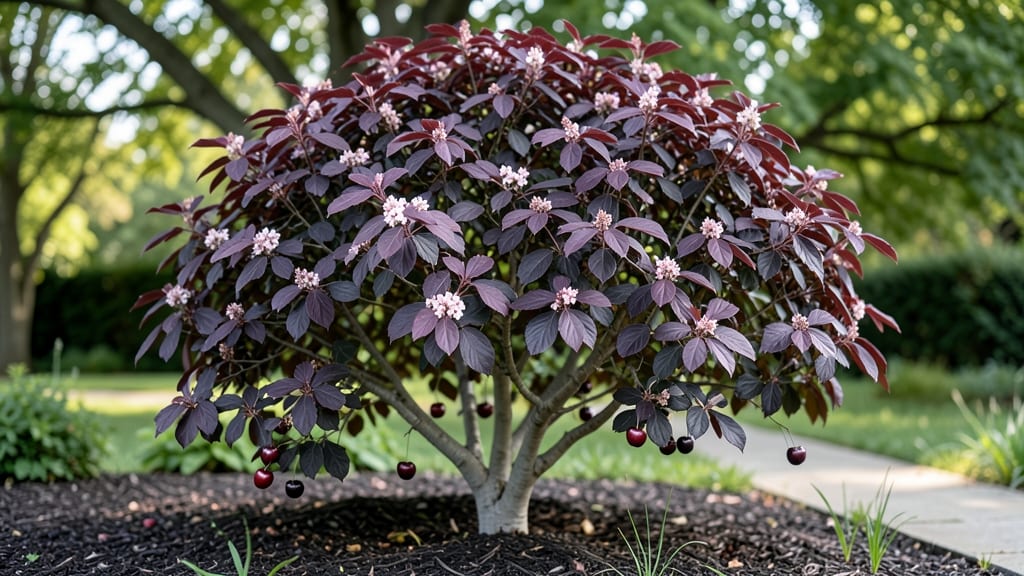
Growing a purple leaf sand cherry tree means year-round color with almost no pruning work. 🌿 The deep purple foliage contrasts beautifully against spring blossoms and summer fruit, while its compact size fits even small yards.
Unlike fussy trees, this one thrives with basic care—just sunlight, well-drained soil, and occasional watering. This tree handles tough conditions like drought and urban pollution, making it perfect for city gardens or busy homeowners. The small, tart cherries add bonus interest (though they're not sweet enough to eat).
Plant it where you'll see it daily—the foliage shifts from purple to burgundy to deep red as seasons change. You'll love how it stays healthy with minimal effort. Just prune out dead branches in late winter, and watch it reward you with vibrant color from spring through fall.
The best part? It rarely gets pests or diseases, so you won't waste time fighting them. Works well near patios, walkways, or as a standalone specimen. Here's how to make yours thrive with almost no fuss.
📚 In This Guide
- What you need
- Instructions
- Tips and common mistakes
- Wrapping up and next steps
What you need
- ● Pruning shears: Bypass pruners (sharp, 6-8 inch blades) for small branches (up to ½ inch thick). Pro tip: 💡 Sanitize blades with rubbing alcohol before and after use to prevent disease spread!
- ● Lopping shears: For medium branches (½ to 2 inches thick). Look for long handles (20-30 inches) for leverage.
- ● Pruning saw: A curved-tooth saw for thick branches (2+ inches). Pro tip: 🔥 Use a clean, sharp saw to avoid tearing bark.
- ● Gloves: Heavy-duty gardening gloves (cut-resistant) to protect hands from thorns and rough bark.
- ● Disinfectant: 70% isopropyl alcohol or a 10% bleach solution (1 part bleach to 9 parts water) for sterilizing tools.
- ● Bucket or bag: For collecting pruned branches (5-gallon bucket or a sturdy trash bag).
- ○ Ladder (optional but helpful): A sturdy, extendable ladder (8-12 feet) if your tree is tall (6+ feet). Safety first! 🎯
- ● Hand pruners: For tiny twigs (under ¼ inch) if you prefer precision.
- ● Rubbing alcohol wipes: Quick tool disinfection between cuts.
- ● Tree wound dressing: Pruning sealant (controversial but useful for large cuts > ½ inch). Pro tip: ✨ Modern research suggests leaving cuts open to heal naturally, but some gardeners still prefer sealant for peace of mind.
- ● Notebook & pen: To jot down pruning notes (e.g., branch sizes, tree shape goals).
- ● Check the tree’s health—prune only on dormant branches (late winter/early spring) or after flowering (summer) to preserve color and fruit.
- ● Know your tree’s growth habits—purple leaf sand cherries thrive with minimal pruning but benefit from occasional shaping.
How to plant and care for a purple leaf sand cherry tree
This stunning tree delivers vibrant foliage with almost no fuss—here's how to get it thriving.
🌱 Step 1: Choose the Perfect Planting Location
Purple leaf sand cherry (Prunus × cistena) thrives in full sun to partial shade, with at least 6 hours of direct sunlight daily for best color intensity. I always plant mine where it gets morning sun and afternoon shade—this prevents leaf scorch while maintaining those deep purple hues. Avoid low spots where water pools, as soggy roots lead to root rot.
Test your spot by leaving a bucket of water for a day. If it's still half-full the next morning, find higher ground. The tree's natural drought tolerance makes it perfect for dry climates, but young plants need consistent moisture to establish roots. I dig my hole twice as wide as the root ball but only as deep—this encourages outward root growth for stability.
🪴 Step 2: Prepare the Hole and Plant Properly
Mix the existing soil with 2-3 inches of compost in the planting hole to improve drainage and fertility. This tree doesn't need rich soil, but it appreciates a little organic matter for a strong start. Place the tree so the top of the root ball sits 1-2 inches above ground level—this prevents water from pooling around the trunk.
Backfill with the soil mix, tamping gently to remove air pockets. Water deeply right after planting to settle the soil. You'll know it's right when water drains through the hole within 15-20 minutes. Mulch with 2-3 inches of wood chips, keeping it 6 inches away from the trunk to prevent rot. This mulch ring helps retain moisture while protecting roots from temperature swings.
☀️ Step 3: Water and Fertilize for Strong Growth
Water newly planted trees once a week for the first month, then taper to every 10-14 days once established. The key is deep watering—soak the soil until it's moist 12 inches down. You'll see healthy growth when new leaves emerge with a glossy finish rather than wilting at the edges.
Skip heavy fertilizers—purple leaf sand cherry grows best with low-nitrogen, balanced fertilizer applied in early spring. I use a 10-10-10 formula at half strength to avoid burning roots. Yellowing leaves after feeding? You're overdoing it. The tree's natural vigor comes from its adaptability, not forced feeding.
✂️ Step 4: Prune Strategically for Shape and Health
This tree's minimal pruning needs make it ideal for busy gardeners. Prune in late winter or early spring before new growth begins, removing only dead, diseased, or crossing branches. I use clean, sharp shears to make cuts just outside the branch collar—the bump where the branch meets the trunk—to prevent damage.
For shaping, focus on opening the center of the tree to improve air circulation. You'll know you've done enough when sunlight reaches the inner branches. Avoid heavy pruning—this tree responds better to light maintenance than dramatic cuts. The purple foliage is its signature, and aggressive pruning can reduce color intensity.
🌿 Step 5: Enjoy Year-Round Interest With Minimal Effort
Purple leaf sand cherry delivers four-season beauty with minimal care. The deep purple leaves appear in spring, turn nearly black in summer, and provide winter interest with attractive bark. I've seen mine hold color even in 20°F temperatures, though young trees may need winter protection in colder zones.
Watch for signs of stress—drooping leaves or brown edges mean it's time to check watering habits. This tree rarely needs intervention, but a light pruning in summer to remove any dead growth keeps it looking its best. The real magic is how it thrives with almost no attention, making it the perfect low-maintenance specimen for any landscape.
Tips & tricks for perfect purple leaf sand cherry planting
Took me years of trial-and-error to figure out these simple tricks that make all the difference with this stunning shade tree.
Sunlight Secret: That 6 hours of sunlight requirement is non-negotiable for those vibrant purple leaves. I've planted mine in spots with morning sun and afternoon shade to prevent leaf scorch while keeping the color intense. Watch for leaves that turn yellow or brown—they're telling you it's getting too hot. A simple shade cloth during peak summer hours can work wonders if you're in a particularly hot climate.
Drainage Check: The bucket test in Step 1 is your best friend. I've learned the hard way that soggy roots lead to root rot, which can kill your tree before it even gets established. If your spot doesn't drain well, consider building a raised bed or planting on a slope. The tree's natural drought tolerance kicks in once established, but young roots need proper drainage to start strong.
Planting Depth Matters: That 1-2 inch elevation above ground level isn't just a suggestion—it's crucial. I've seen many gardeners plant too deeply, which can strangle the tree by preventing oxygen from reaching the roots. When in doubt, check the root flare (where the roots meet the trunk) after planting—it should be slightly above the surrounding soil level.
Mulch Ring Strategy: The 2-3 inches of wood chips around your tree isn't just decoration—it's a moisture and temperature regulator. I always keep it 6 inches away from the trunk to prevent rot. This mulch ring helps maintain consistent soil moisture while protecting roots from extreme temperature swings. Refresh it annually as it breaks down.
Pro Tips for Purple Leaf Sand Cherry Tree
- Took me years of trial-and-error to figure out these simple tricks that make all the difference with this stunning shade tree.
- Sunlight Secret: That 6 hours of sunlight requirement is non-negotiable for those vibrant purple leaves.
- Drainage Check: The bucket test in Step 1 is your best friend.
Frequently asked questions
Got questions about your purple leaf sand cherry tree? You’re not alone! This stunning, low-maintenance tree is a favorite, but even experts have curiosities. Below, we’ve rounded up the most common questions—plus practical answers—to help you keep your tree thriving with ease.
How often should I prune my purple leaf sand cherry tree?
The beauty of this tree is its minimal pruning needs! Lightly shape it in late winter or early spring (before new growth starts) to remove dead, crossing, or weak branches. Avoid heavy pruning—this tree thrives with a natural, airy form. Pro tip: Prune after flowering (spring) to preserve summer color and fruit.
Is the purple leaf sand cherry tree cold-hardy?
This tree is a tough cookie, surviving USDA zones 3–7. It handles winter well, but young trees may need winter protection (like burlap wraps) in extreme cold. Pro tip: Plant in a spot with afternoon shade in hotter zones to prevent stress.
Are the cherries edible, and when do they ripen?
Yes! The small, tart cherries ripen in late summer to early fall and are perfect for jams, sauces, or fresh snacking. They’re not as sweet as supermarket cherries but pack bold flavor. Warning: Avoid overharvesting—leave some for birds and wildlife!
Can I grow a purple leaf sand cherry tree in a container?
While possible, it’s not ideal long-term. These trees grow 15–25 feet tall and need deep roots. If you’re set on a container, choose a large, sturdy pot (20+ gallons) and repot every 2–3 years. Pro tip: Use a fast-draining mix to prevent root rot.
What pests or diseases should I watch for?
This tree is resistant to most issues, but keep an eye out for:
- Japanese beetles: Handpick or use neem oil.
- Powdery mildew: Improve airflow and avoid overhead watering.
- Canker diseases: Prune infected branches below the damage and sterilize tools.
Wrapping up and next steps
The purple leaf sand cherry tree is a stunning, low-maintenance addition to any landscape, offering vibrant foliage and minimal pruning needs. With its year-round color and resilience, it’s perfect for busy gardeners or those seeking effortless beauty.
Whether you’re a pruning pro or a beginner, this tree delivers easy care with maximum impact—so why wait?
Ready to transform your yard? Plant one today and enjoy its breathtaking hues with almost no fuss! For extra tips, check out our pruning guide or connect with local gardening groups for inspiration. 🌿✨