
Planting
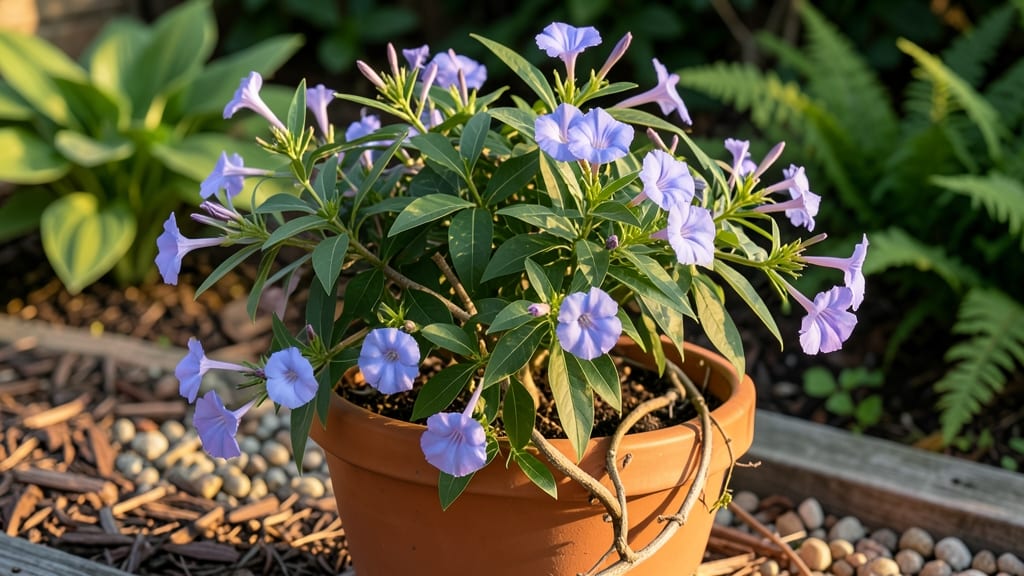
A purple leaf plant perennial brings drama to your garden with its striking foliage that thrives through all four seasons. 🌿 I've been growing these showstoppers for years, and they never fail to turn heads—whether it's the deep burgundy of Purple Smoke Bush or the silvery-purple of Heuchera.
The best part? They bounce back every spring, no matter how harsh the winter. These plants are surprisingly low-maintenance once established, but they do need the right spot: full sun to partial shade and well-draining soil.
My favorite varieties include Purple Leaf Plum for its early spring blooms and Coral Bells for their layered texture. They handle pests better than many perennials too, though spider mites can be a nuisance in hot, dry weather.
By late summer, you'll have lush foliage that stays vibrant until frost, with some varieties even offering winter interest. The key is pruning in early spring to encourage fresh growth and removing any dead stems. With just a little attention, these plants become the backbone of your garden's color palette.
Perfect for borders, containers, or even as focal points in mixed beds. They're also great for adding height and texture to any landscape design—just give them space to grow into their full, dramatic form!
📚 In This Guide
- What you need
- Instructions
- Tips and common mistakes
- Wrapping up and next steps
What you need
- ● Purple Leaf Plant Perennial: 1–3 bare-root plants or 1-gallon container-grown plants (depending on desired coverage)
- ● Recommended varieties: Purple Smoke Bush (Cotinus coggygria), Purple Leaf Sand Cherry (Prunus x cistena), or Purple Leaf Plum (Prunus cerasifera 'Atropurpurea')
- ● Soil: 5–10 bags (2–3 cubic feet each) of well-draining garden soil or compost mix (amended with organic matter if your soil is clay-heavy)
- ○ Optional: 1 bag of perlite or sand (for sandy soil improvement)
- ● Fertilizer: 1 (5–10 lb) bag of balanced, slow-release fertilizer (10-10-10 or similar)
- ● OR 1 lb of composted manure (for organic enrichment)
- ● Tools: 1 garden trowel or spade (for digging)
- ● 1 pruning shears (to trim dead foliage or roots if needed)
- ● 1 watering can or hose with a gentle spray nozzle
- ○ 1 garden gloves (optional but recommended!)
- ● Mulch: 2–3 bags of wood chips or shredded bark (to retain moisture and regulate soil temp)
- ● Plant support: 1–2 stakes or cages (if growing a tall variety like Purple Smoke Bush)
- ● Soil pH tester: To ensure your soil is slightly acidic to neutral (pH 6.0–7.0)
- ● Epsom salt: 1 small container (for magnesium boost if leaves show yellowing)
Step-by-Step guide to planting and caring for purple leaf perennials
These stunning cold-hardy plants deliver bold color year-round with minimal fuss.
🌱 Step 1: Choose the Right Location for Maximum Impact
Purple leaf perennials thrive in full sun to partial shade, with at least 4-6 hours of direct sunlight daily. I always pick spots where their deep burgundy foliage will contrast beautifully with other plants—think near silver foliage or bright yellow flowers. The more sun they get, the more intense their color becomes, especially in cooler weather.
Check your site's drainage first. These plants hate soggy roots, so if your soil stays wet for more than a few hours after rain, amend it with 2-3 inches of compost mixed into the top 6 inches of soil. You'll know drainage is good when water soaks in within 30 minutes rather than pooling on the surface.
🪴 Step 2: Plant at the Right Depth and Spacing
Dig holes twice as wide as the root ball but only as deep as the container's height. Gently remove the plant from its container and loosen any circling roots with your fingers—this helps them establish faster. Place it in the hole so the top of the root ball sits ½ inch below soil level.
Space plants 2-3 feet apart for medium-sized varieties, or 3-4 feet apart for larger, bushier types. I like to plant them in odd-numbered groupings (3 or 5 plants) so they create natural focal points. Backfill with native soil, pressing lightly to remove air pockets but not compacting too firmly.
💧 Step 3: Water Deeply and Establish a Consistent Routine
Water immediately after planting to settle the soil around roots, then give 1 inch of water weekly during the first growing season. You'll know you've watered enough when the soil feels moist 2-3 inches deep—stick your finger in to check. Purple leaf perennials are drought-tolerant once established, but young plants need consistent moisture to root deeply.
Here's the thing—mulch heavily with 2-3 inches of organic mulch (like shredded bark) to retain moisture and protect roots from temperature swings. Keep mulch 2 inches away from stems to prevent rot. After the first year, you'll only need to water during prolonged dry spells—these plants are built to handle tough conditions.
☀️ Step 4: Maintain Year-Round with Minimal Effort
Fertilize lightly in early spring with a balanced 10-10-10 fertilizer at half-strength. I skip summer feeding—too much nitrogen makes foliage grow at the expense of that gorgeous purple color. Cut back any dead or damaged stems in late winter to make room for fresh growth, but leave some old stems for winter interest.
Watch for powdery mildew in humid summers—it shows up as white fuzzy patches on leaves. At the first sign, spray with a baking soda solution (1 tsp baking soda + 1 quart water + a drop of dish soap). Most years, these plants stay disease-free with proper spacing and airflow, but that one summer when humidity spikes, you'll be glad you have this trick up your sleeve.
✂️ Step 5: Prune for Shape and Encourage Bushiness
In early spring, trim back any leggy stems by ⅓ of their length to encourage dense, compact growth. I always prune just above a leaf node (the bump where leaves attach) to promote new branching. This is also the perfect time to shape the plant—remove any crossing branches or stems growing toward the center.
For larger varieties, you might need to prune twice a year: once in early spring and again after flowering. Deadhead spent blooms to redirect energy into foliage production. The key is to never remove more than ⅓ of the plant at once—this prevents shock and keeps your purple leaf perennial looking its best all season long.
Tips & tricks for perfect purple leaf perennial planting
These little details make all the difference between a plant that thrives and one that just survives.
Sunlight Secret: Those 4-6 hours of sunlight in Step 1 are non-negotiable for that signature purple color. I've seen plants in shadier spots turn greenish—it's like watching their personality fade. If your spot gets less than 4 hours, consider a container that you can move to sunnier locations as needed. The color intensity really shows off in cooler weather, so don't be afraid to plant in fall for a stunning winter display.
Root Ball Rescue: When loosening circling roots in Step 2, I use my fingers to gently tease them apart—no need to force it. If you notice roots growing in tight circles, they'll strangle themselves as they grow. This simple step can double your plant's establishment speed. Pro tip: Soak the root ball for 10 minutes before planting if it feels dry, but don't let it sit in water.
Watering Wisdom: The 1-inch weekly watering guideline in Step 3 works perfectly in most climates, but I've learned to adjust for your soil type. Sandy soil drains too fast—check moisture every 3 days instead. Clay soil holds water too long—wait until the top 2 inches are dry before watering again. That finger-check at 2-3 inches deep is your best friend for avoiding both underwatering and root rot.
Mulch Magic: That 2-3 inches of organic mulch isn't just for moisture—it's also insulation. In winter, mulch protects roots from freeze-thaw cycles that can crack them. In summer, it keeps roots cool during heatwaves. Just remember to keep it 2 inches away from stems to prevent rot. I like to refresh the mulch layer every spring before new growth starts.
Pro Tips for Purple Leaf Plant Perennial
- These little details make all the difference between a plant that thrives and one that just survives.
- Sunlight Secret: Those 4-6 hours of sunlight in Step 1 are non-negotiable for that signature purple color.
- Root Ball Rescue: When loosening circling roots in Step 2, I use my fingers to gently tease them apart—no need to force it.
Frequently asked questions
Got questions about growing and maintaining your purple leaf perennial? You’re not alone! Here are some of the most common queries—and their easy answers—to keep your plants thriving year after year.
What’s the best way to plant purple leaf perennials for maximum color?
Choose a spot with full sun to partial shade (at least 4-6 hours of sunlight daily) and well-draining soil. Amend heavy clay with compost to prevent root rot. Space plants 2-3 feet apart for airflow and vibrant foliage. Mulch lightly to retain moisture and suppress weeds!
Are purple leaf perennials truly cold-hardy? How do I protect them in winter?
Most varieties (like Weigela florida ‘Wine & Roses’ or Smokebush ‘Purple Smoke’) tolerate zones 4-9. In colder climates, add a layer of mulch (3-4 inches) around the base after the first frost. Avoid heavy snow buildup—gently brush it off to prevent stem damage.
Why are my purple leaves turning yellow or brown?
Yellowing often signals overwatering or poor drainage. Brown edges? It could be sunburn (too much direct sun) or drought stress. Check soil moisture—water deeply but infrequently (once a week in summer, less in winter). Adjust sunlight or improve drainage if needed.
Can I grow purple leaf perennials in containers? What’s the best setup?
Use large containers (12+ inches deep) with drainage holes and a mix of potting soil + perlite. Choose compact varieties like Dwarf Fothergilla ‘Mount Airy’. Place containers in morning sun to avoid scorching. Fertilize lightly in spring with a balanced 10-10-10 formula.
What are some great purple leaf perennial alternatives if mine isn’t thriving?
Try these low-maintenance, cold-hardy picks for year-round color:
- Cotoneaster ‘Royal Purple’ – Drought-tolerant, berry-producing shrub.
- Heuchera ‘Palace Purple’ – Stunning foliage, thrives in shade.
- Japanese Maple ‘Bloodgood’ – Vibrant purple-red leaves, slow-growing.
- Ninebark ‘Diablo’ – Tough, disease-resistant, and adaptable.
Wrapping up and next steps
Adding a purple leaf plant perennial to your garden is a game-changer—it brings bold color, resilience, and year-round drama with minimal fuss! 🌿 Whether you’re drawn to Weigela florida, Smoke Bush, or Purple Leaf Plum, these cold-hardy stars thrive in diverse climates and demand little maintenance beyond proper placement and occasional pruning.
Your garden will thank you with vibrant foliage that turns heads from spring to winter.
Ready to transform your outdoor space? Start by sketching a planting plan—consider sunlight, soil, and companion plants. Then, grab your gloves and get growing! 🌱 Your future self (and your neighbors) will love the results.