
Flowers
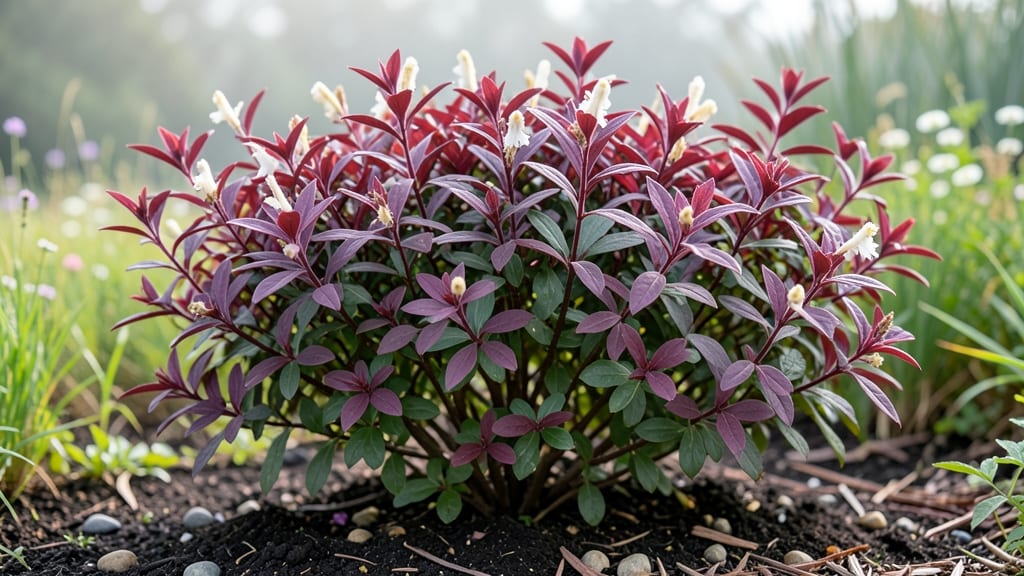
Purple leaf honeysuckle transforms shady spots into vibrant focal points with its striking foliage and fragrant blooms. 🌿 I planted mine three years ago after struggling with dull shade plants—now it's the showstopper of my garden, thriving where others fail.
The secret lies in its cold-hardy nature and adaptability to partial shade, making it perfect for northern climates or shaded yards.
This hardy shrub thrives in well-draining soil with morning sun and afternoon shade, though it tolerates full shade once established. Water deeply once a week during dry spells, but avoid soggy roots—this plant hates wet feet.
The purple foliage stays bold all season, with scented yellow flowers appearing in spring, attracting pollinators while keeping pests at bay.
Pruning in late winter keeps it compact and encourages fresh growth. Cut back one-third of the oldest stems to the ground, and shape lightly in spring. With minimal care, you'll get 4-6 feet of lush, colorful foliage that outshines any shade plant.
The best part? It’s nearly disease-resistant, so you won’t waste time battling common shrub problems.
Works beautifully as a privacy screen, border plant, or container specimen. Just remember: more shade means richer purple leaves, while sun brings out the golden-yellow flowers. Start with one—your garden will thank you.
📚 In This Guide
- What you need
- Instructions
- Tips and common mistakes
- Wrapping up and next steps
What you need
- ● Purple Leaf Honeysuckle Plants: 3–5 healthy nursery-grown plants (bare-root or containerized) for a full, lush look.
- ● Well-Draining Soil: Mix of 60% topsoil, 30% compost, and 10% perlite or coarse sand (pH 5.5–6.5).
- ● Organic Mulch: 2–3 inches of shredded bark or wood chips to retain moisture and suppress weeds.
- ● Slow-Release Fertilizer: 10-10-10 or balanced organic fertilizer (e.g., fish emulsion) for planting.
- ● Watering Can or Hose: With a gentle spray nozzle for deep watering.
- ● Pruning Shears: Bypass pruners (sharp, clean, and sterilized with rubbing alcohol).
- ○ Garden Gloves: Heavy-duty for thorny stems (optional but recommended!).
- ● Trowel or Spade: For digging holes (12–18" wide/deep for each plant).
- ● Staking Supports: 4–6 ft bamboo stakes + twist ties if planting in windy areas.
- ● Soil pH Test Kit: To confirm ideal acidity before planting.
- ○ Epsom Salt: 1 tbsp per plant annually (optional for magnesium boost).
- ● Drip Irrigation System: For automated watering in dry climates.
Step-by-Step instructions for planting purple leaf honeysuckle
This shade-loving shrub thrives with minimal fuss—just follow these precise steps for vibrant foliage all season.
🌱 Step 1: Choose the Perfect Planting Site
Purple leaf honeysuckle (Lonicera maackii 'Purpurea') loves partial shade to full sun but tolerates deeper shade in hot climates. Pick a location with 4-6 hours of dappled sunlight daily—morning sun with afternoon shade works best. The shrub’s striking purple foliage darkens in full sun, so adjust expectations if planting in deep shade.
Check soil drainage before digging. This shrub hates soggy roots, so avoid low spots where water pools. Amend heavy clay soil with 2-3 inches of compost to improve aeration. I always dig a hole twice as wide as the root ball but only as deep—planting too deeply suffocates roots.
🪴 Step 2: Prepare and Plant the Shrub
Remove the plant from its container and gently loosen the root ball if roots are circling. Place it in the hole so the top of the root ball sits 1 inch above ground level—this prevents crown rot. Backfill with native soil mixed with 1 cup of balanced fertilizer (10-10-10) to encourage strong root establishment.
Water deeply right after planting to settle the soil and eliminate air pockets. The soil should feel moist 6 inches down—stick your finger in to check. Mulch with 2-3 inches of shredded bark around the base, keeping mulch 3 inches away from the trunk to prevent rot. This mulch layer retains moisture and regulates soil temperature.
☀️ Step 3: Water and Maintain Through the First Year
Water newly planted honeysuckle 2-3 times per week until new growth appears—usually 4-6 weeks. After that, water once weekly during dry spells, aiming for 1 inch of water per week. The plant’s deep roots make it drought-tolerant once established, but young shrubs need consistent moisture.
Fertilize lightly in early spring with ½ cup of 10-10-10 fertilizer spread over the root zone. Avoid high-nitrogen fertilizers—they promote leafy growth at the expense of the shrub’s stunning purple foliage. Prune in late winter to remove dead or crossing branches, shaping as needed. Never prune in fall, as this encourages tender new growth that won’t survive winter.
✂️ Step 4: Prune for Health and Shape
Prune honeysuckle in late winter or early spring, before new growth begins. Remove 1/3 of the oldest stems at ground level to encourage vigorous new growth and maintain a youthful appearance. Cut just above a bud or lateral branch to promote bushiness. I use clean, sharp pruners to make 45-degree cuts—this prevents tearing and encourages faster healing.
Shape the shrub lightly throughout the growing season to control size and encourage airflow. Thin out crowded branches to reduce disease risk. The plant’s natural arching habit makes it perfect for hedges or specimen plantings—just allow 4-6 feet of space for mature width. Avoid heavy pruning in summer, as this can stress the plant and reduce flowering.
Tips & tricks for perfect purple leaf honeysuckle planting
Here's what nobody tells you about making this shade-loving shrub thrive—details that separate a struggling plant from a showstopper.
Lighting Strategy: The 4-6 hours of dappled sunlight in Step 1 is non-negotiable for that signature purple foliage. I've planted in full shade before—it survives but loses its dramatic color. For maximum vibrancy, position your shrub where it gets morning sun and afternoon shade, especially in hotter climates. The color shift happens gradually, so be patient if it starts green and develops purple over weeks.
Root Ball Rescue: When loosening circling roots in Step 2, don't tear them—gently separate them with your fingers. I've seen people cut roots thinking they're helping, but this actually stresses the plant. The goal is to encourage outward root growth, not create fresh wounds. If roots are extremely tight, soak the root ball in water for 10 minutes first to make separation easier.
Mulching Mastery: That 2-3 inches of shredded bark in Step 2 isn't just decoration—it's a moisture and temperature regulator. I recommend using hardwood mulch (like oak or maple) because it breaks down slowly. Avoid softwood mulches that can acidify the soil. Also, keep the mulch cone-shaped away from the trunk—this prevents rot while still protecting roots from temperature swings.
Pruning Precision: The 45-degree cuts in Step 4 are crucial—they create a larger surface area for faster healing. When removing 1/3 of oldest stems, look for stems that are thicker than your thumb or have grayish bark. These are your plant's energy vampires, sucking resources from new growth. Sterilize your pruners between cuts with rubbing alcohol to prevent spreading disease.
Pro Tips for Purple Leaf Honeysuckle
- Here's what nobody tells you about making this shade-loving shrub thrive—details that separate a struggling plant from a showstopper.
- Lighting Strategy: The 4-6 hours of dappled sunlight in Step 1 is non-negotiable for that signature purple foliage.
- Root Ball Rescue: When loosening circling roots in Step 2, don't tear them—gently separate them with your fingers.
Frequently asked questions
Got questions about growing Purple Leaf Honeysuckle? You’re not alone!
Here are answers to the most common ones—from planting to maintenance—so you can keep your shade garden thriving with this stunning shrub.
Is Purple Leaf Honeysuckle easy to grow for beginners?
This shrub is cold-hardy, low-maintenance, and forgiving—perfect for beginners. It thrives in partial shade, tolerates poor soil, and even handles drought once established. Just avoid soggy roots, and you’re golden!
When is the best time to plant Purple Leaf Honeysuckle?
Plant in early spring or fall for the best results. This gives roots time to establish before extreme heat or cold. If planting in summer, water deeply and mulch to retain moisture. Avoid winter planting unless your climate is mild.
How fast does Purple Leaf Honeysuckle grow, and how big does it get?
Expect 12–24 inches of growth per year under ideal conditions. Mature shrubs typically reach 6–10 feet tall and wide, but pruning can control size. Regular trimming in late winter or early spring keeps it compact and bushy.
Does Purple Leaf Honeysuckle attract bees or other pollinators?
Yes! While its foliage is the star, it produces small, fragrant white flowers in spring that attract bees and butterflies. The berries (if not removed) may also draw birds. Just note: the berries are not edible for humans—keep pets/kids away!
What should I do if my Purple Leaf Honeysuckle leaves turn yellow or brown?
Yellow/brown leaves often signal overwatering, underwatering, or nutrient deficiencies. Check soil moisture (it should be slightly dry between waterings) and amend with compost if needed. Fungal issues (like powdery mildew) can also cause browning—prune affected areas and improve airflow.
Can I use Purple Leaf Honeysuckle as a privacy screen?
Yes! Its dense growth and glossy foliage make it a great natural screen, especially in partial shade. Space plants 3–5 feet apart for a quick, lush barrier. Just prune annually to maintain shape and density.
Wrapping up and next steps
Transforming your shade garden with purple leaf honeysuckle is a rewarding way to add year-round drama and resilience! 🌿 Its striking foliage, adaptability, and low-maintenance nature make it a standout choice for gardeners seeking beauty without the fuss.
Whether you’re a beginner or a seasoned pro, this cold-hardy shrub offers endless possibilities—so grab your gloves and get planting!
Next steps:
- Pick your spot and gather supplies—you’ve got this!
- Share your progress with fellow gardeners or tag us @YourGardenCommunity for inspiration!