
Pruning
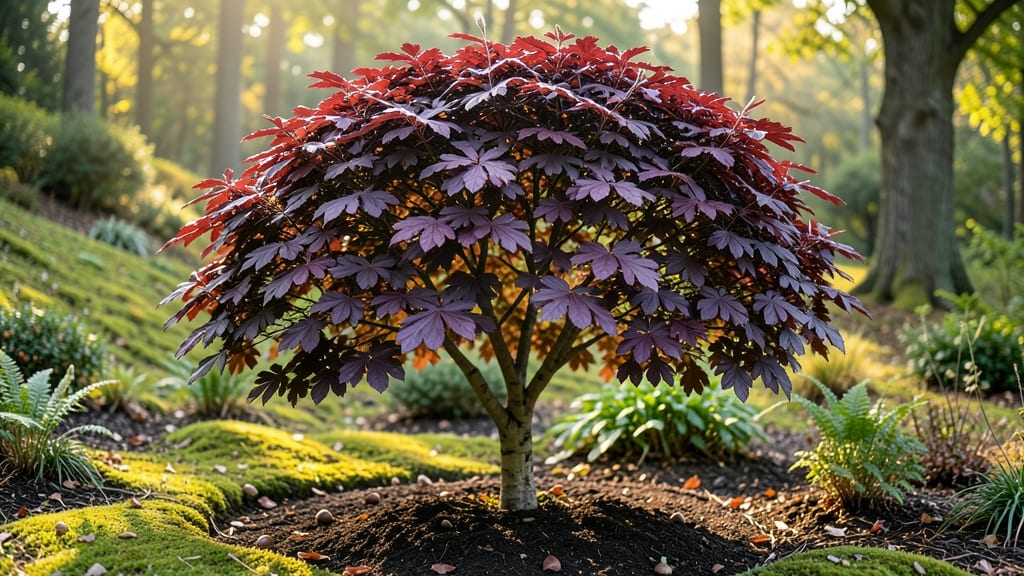
Your yard deserves a purple leaf beech tree—that deep, velvety foliage transforms any landscape into a standout showstopper. 🌿 I planted mine last spring, and now it’s the first thing neighbors notice when they walk by.
This tree isn’t just pretty; it’s low-maintenance once established, with foliage that stays rich purple even in winter (yes, really). The secret to growing one that thrives? Well-draining soil and morning sun—it handles partial shade but never full afternoon heat.
Water deeply the first year, then let nature take over. Pruning is minimal: just shape it in late winter to keep branches open and airy, and you’ll avoid that crowded, leggy look.
By year three, you’ll have a 15-foot-tall tree with branches heavy enough to support snow, yet delicate enough to feel like a natural masterpiece. The bark peels like a birch’s, adding texture, and the fall color? A stunning mix of bronze and gold that lasts weeks.
Perfect for small yards, urban gardens, or as a focal point near patios. Here’s how to give yours the best start—no green thumb required.
📚 In This Guide
- What you need
- Instructions
- Tips and common mistakes
- Wrapping up and next steps
What you need
- ● Pruning Shears: Bypass pruners (for cuts up to ½ inch) – look for sharp, stainless-steel blades (e.g., Felco F-2 or Corona Tools).
- ● Loppers: For branches ½ to 1½ inches thick (e.g., Felco 221 or Fiskars X27).
- ● Pruning Saw: For thicker branches (2+ inches) – opt for a curved blade for precision (e.g., Bahco Laplander).
- ● Gloves: Heavy-duty, cut-resistant gloves (e.g., Mechanix Wear or Wagners) to protect hands from thorns and sharp tools.
- ● Disinfectant: 70% isopropyl alcohol or a tree-pruning sealant (e.g., Tanglefoot Tree Wound Pruning Seal) to prevent disease.
- ● Ladder or Extension Pole: Sturdy, 20–30 feet tall (if needed) – never stand on the ladder while cutting!
- ● Safety Gear: Safety glasses and ear protection (if using a chainsaw for large branches).
- ● Trash Bags: Heavy-duty, 13-gallon size for debris (or a wheelbarrow for hauling).
- ○ Marking Twine & Flags: Colored twine and small flags to tag branches for removal (optional but helpful for complex pruning).
- ● Tree Wound Paint: Only use on large cuts (2+ inches) to seal wounds (e.g., Ortho Fruit Tree Sealant).
- ● Pole Pruner: Extendable pruners for high branches (e.g., Telescopic Pruner by Gorilla Grip).
- ● Camera: To document the tree’s shape before/after pruning.
- ● First Aid Kit: For minor cuts or scrapes (because safety first!).
Step-by-Step guide to planting and caring for a purple leaf beech tree
Here’s how to grow a stunning purple leaf beech that thrives for decades with minimal fuss.
🌱 Step 1: Choose the Perfect Planting Location
Purple leaf beeches need full sun to partial shade—at least 6 hours of direct sunlight daily for their signature color to develop fully. I always pick a spot with well-draining soil and shelter from strong afternoon winds, which can scorch tender new leaves. Avoid low-lying areas where water pools after rain, as soggy roots invite rot.
Test your soil by squeezing a handful—if it stays clumped, amend with compost or sand to improve drainage. The tree’s vibrant purple foliage fades to green in deep shade, so prioritize a sunny location if you want that showstopping color. Dig a hole twice as wide as the root ball but no deeper—beeches hate having their roots buried too deeply.
🪴 Step 2: Plant with Care for Long-Term Stability
Remove the tree from its container and gently loosen the roots if they’re circling. Place it in the hole so the top of the root ball sits level with the surrounding soil—burying the trunk too deep suffocates the tree. Backfill with native soil mixed with compost (use the 2 cubic feet you’ve prepped) to encourage root spread.
Water deeply right after planting to settle the soil and eliminate air pockets. I like to add a 2-inch layer of mulch (like pine bark) around the base, keeping it 6 inches away from the trunk to prevent rot. Mulch helps retain moisture and regulates soil temperature, which is especially important in hot summers. Avoid piling mulch against the trunk—this creates a moist, disease-prone environment.
☀️ Step 3: Water and Fertilize for Vibrant Growth
Water your purple leaf beech deeply once a week during the first growing season, aiming for 1-2 inches of water. You’ll know it’s enough when the soil feels moist 6 inches down—stick your finger in to check. Overwatering is a common mistake; beeches are drought-tolerant once established but need consistent moisture when young. Reduce watering in fall and winter unless the ground is exceptionally dry.
Fertilize lightly in early spring with a balanced, slow-release fertilizer (like 10-10-10) spread over the root zone. I skip heavy feeding—beeches are sensitive to excess nutrients, which can lead to weak growth and faded foliage. Instead, focus on organic matter like composted leaves or aged manure to feed the soil naturally. The goal is steady growth, not rapid spikes.
✂️ Step 4: Prune for Shape and Health
Prune your purple leaf beech in late winter or early spring before new growth starts. Remove dead, diseased, or crossing branches first—these compete for energy and can invite pests. Use clean, sharp pruners to make cuts just outside the branch collar (the swollen area where the branch meets the trunk). Avoid heavy pruning; beeches respond poorly to drastic cuts and may produce fewer leaves.
Shape the tree lightly to open the canopy for better air circulation, which prevents fungal issues. I never prune more than 25% of the foliage in one season—this keeps the tree’s signature color vibrant. If you notice branches growing toward the center, trim them back to encourage an open, airy structure. The tree’s natural form is beautiful, so avoid over-pruning.
🌿 Step 5: Monitor for Pests and Seasonal Changes
Watch for beech leaf disease (a fungal infection causing dark spots) or scale insects, which leave sticky residue on leaves. Treat early with neem oil or horticultural oil—beeches are tough but not immune to stress. I inspect the tree in early summer and again in fall, removing any affected leaves immediately to prevent spread.
In fall, the leaves turn golden-brown before dropping—this is normal. Rake up fallen leaves to reduce disease risk, but leave some as mulch around the base. Beeches are cold-hardy, but young trees benefit from a light winter mulch (like straw) to protect roots from freezing. Avoid heavy mulch layers, which can suffocate the tree. With proper care, your purple leaf beech will reward you with decades of stunning color.
Tips & tricks for perfect purple leaf beech tree planting
These simple secrets will help your purple leaf beech thrive for decades with minimal effort.
Sunlight Strategy: Those 6 hours of direct sunlight are non-negotiable for that signature purple color. I've planted mine in the morning sun with afternoon shade to prevent leaf scorch—watch for crispy edges if it gets too much afternoon heat. If your yard only gets partial sun, position the tree where it gets the most light possible, even if it means sacrificing some shade.
Soil Test Hack: Before planting, test your soil's drainage by digging a hole and filling it with water. If it drains completely within 1 hour, your soil is fine. If water remains after 6 hours, you definitely need to amend with compost or sand. I always add a 5-gallon bucket of compost to the planting hole—this gives roots a nutrient boost while improving drainage naturally.
Mulching Wisdom: That 2-inch layer of mulch should be organic (like pine bark or shredded leaves) to prevent soil compaction. I use mulch that's 3-4 inches deep**> around the base but keep it 6 inches away from the trunk to prevent rot. Refresh mulch annually in spring—this helps regulate soil temperature and retain moisture without suffocating the tree.
Pruning Precision: When shaping in Step 4, focus on removing branches that cross or rub against each other—they create wounds that invite disease. I always prune just outside the branch collar using clean pruners, then seal larger cuts with pruning paint. This keeps the tree healthy while maintaining that vibrant purple foliage. Remember, never remove more than 25% of the canopy in one season.
Pro Tips for Purple Leaf Beech Tree
- These simple secrets will help your purple leaf beech thrive for decades with minimal effort.
- Sunlight Strategy: Those 6 hours of direct sunlight are non-negotiable for that signature purple color.
- Soil Test Hack: Before planting, test your soil's drainage by digging a hole and filling it with water.
Frequently asked questions
Got questions about caring for your purple leaf beech tree? You’re not alone! Here are some of the most common queries—plus straightforward answers to keep your tree thriving year-round.
How often should I prune my purple leaf beech tree?
Prune your purple leaf beech tree once a year, ideally in late winter or early spring (before new growth starts). Light maintenance (removing dead branches or crossing limbs) can be done anytime, but avoid heavy pruning in late summer or fall—it can stress the tree and reduce its stunning fall color. Pro tip: Never remove more than 25% of the canopy in one session!
Can I prune my purple leaf beech in summer?
Summer pruning is possible, but it’s not ideal. Heavy pruning during hot months can slow growth and make the tree more vulnerable to pests or disease. If you must prune in summer, do it early in the morning or on a cloudy day to minimize stress. Stick to minor trims like shaping or removing dead wood—save major work for winter.
Why are the leaves on my purple leaf beech turning brown?
Brown leaves can signal underwatering, overwatering, or fungal issues. Check the soil—it should be moist but not soggy. Purple leaf beeches tolerate drought but hate "wet feet." If brown spots appear, inspect for powdery mildew (common in humid climates) and treat with neem oil if needed. Pro tip: Mulch around the base to retain moisture and regulate temperature!
Will my purple leaf beech lose its purple color over time?
No—healthy purple leaf beeches retain their vibrant hue for decades! Color intensity can fade slightly with age or poor care (like nutrient deficiencies or improper pruning), but it rarely disappears completely. For extra vibrancy, ensure it gets full sun to partial shade and fertilize lightly in early spring with a balanced, slow-release formula.
Are there alternatives to purple leaf beech for small yards?
If space is limited, consider these compact, colorful alternatives:
- Dwarf Japanese Maple – Stunning purple-red foliage (3–6 ft tall).
- Crimson King Maple – Bold red leaves, cold-hardy, and slow-growing.
- Royal Purple Smokebush – Deep purple stems and foliage (6–8 ft tall).
- Little Princess Ninebark – Purple spring leaves, disease-resistant.
Wrapping up and next steps
The purple leaf beech tree is a stunning addition to any landscape, offering year-round beauty with its vibrant foliage and unique charm. Whether you're a seasoned gardener or a beginner, its adaptability and striking appearance make it a worthwhile investment.
Ready to elevate your outdoor space? Start by assessing your tree’s needs, gathering the right tools, and planning your pruning schedule—your future will thank you!
🌿 Pro tip: Keep an eye on its growth and health, and don’t hesitate to reach out to local arborists for expert advice if needed!