
Planting
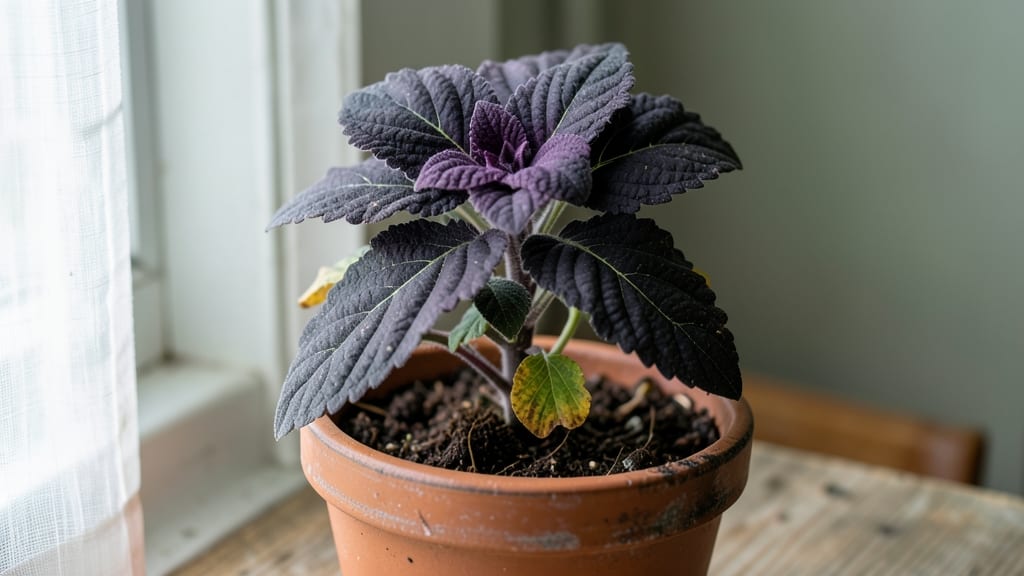
That dark purple leaf plant identification you’re drawn to isn’t just eye-catching—it’s a bold declaration. 🌿 Whether it’s the smoky purple of Heuchera or the electric purple of Coleus, these plants transform any garden into a living work of art.
The challenge? Figuring out which one you’ve got (or which one you should plant).
These bold beauties thrive in partial shade to full sun, depending on the variety, and most need well-draining soil to keep their leaves from turning sad and yellow. Water them when the top inch of soil feels dry, and you’ll see those rich hues stay vibrant all season.
Some, like Purple Heart, are perennials in zones 7-11, while others, like Coleus, are annuals that pack a punch in summer containers.
Imagine your patio bursting with jewel-toned foliage that never fades—just a few snips here, a pinch of fertilizer there, and you’ve got a low-maintenance showstopper. The best part? They’re perfect for containers, borders, or even as edging where their color pops against greens and whites.
Here’s the kicker: No two purple-leaf plants look alike. Heuchera has textured leaves, Coleus has dramatic patterns, and Purple Heart spills like a waterfall. Let’s break it down so you can finally name that mystery plant in your garden.
Root Causes Of Purple Leaves
If you’re admiring your purple leaf plant and noticing those deep, dark purple hues taking over, there’s usually a scientific reason behind it. While some varieties naturally develop rich purples as they mature, sudden or excessive discoloration often signals an underlying issue.
Let’s break down the most common causes—from environmental stressors to nutrient imbalances—and why they trigger this striking (but sometimes concerning) color shift.
Plants like the Coleus blumei or Purple Heart (Tradescantia pallida) rely on a balanced diet of nutrients to maintain their signature colors. When something’s off in the soil or fertilizer, leaves can turn dark purple as a distress signal.
📊 Nitrogen Starvation
Nitrogen is the building block of chlorophyll, the pigment responsible for green leaves. When nitrogen levels drop too low:
- Symptoms: Leaves develop deep purple or reddish veins, especially on younger growth. The entire leaf may appear washed out or dull.
- Why it happens: Nitrogen is highly mobile in plants, meaning they’ll pull it from older leaves first. If the soil is depleted (common in sandy or over-watered conditions) or if you’re using a fertilizer low in nitrogen (like a 5-10-5 blend), new growth suffers first.
- Actionable fix:
- Test your soil with a DIY kit or send a sample to a local extension office.
- Apply a balanced fertilizer (10-10-10 or 20-20-20) or a nitrogen-rich amendment like composted manure.
- For container plants, flush the soil with water to prevent salt buildup from over-fertilizing.
💀 Phosphorus Or Potassium Imbalance
While nitrogen deficiencies cause general yellowing, phosphorus or potassium deficiencies often lead to purple hues in leaves. These nutrients are less mobile, so symptoms appear first in older leaves.
| Nutrient | Deficiency Signs | Toxicity Signs |
|---|---|---|
| Phosphorus (P) | Dark purple or blue-green leaves, especially along leaf margins. Stunted growth. | Excess P can lock out zinc/manganese, causing yellowing between veins. |
| Potassium (K) | Purple or brown edges on older leaves ("scorch" effect). Weak stems. | Too much K can lead to magnesium deficiency (yellow patches between veins). |
Why it happens: Overwatering leaches potassium, while acidic soils (pH < 6.0) can make phosphorus unavailable. Synthetic fertilizers high in nitrogen but low in P/K can also throw off the ratio.
Actionable fix:
- Add bone meal (for P) or greensand/kelp meal (for K) to the soil.
- Adjust soil pH to 6.0–7.0 (use lime to raise pH or sulfur to lower it).
- Avoid over-fertilizing—follow package rates to prevent toxicities.
Purple leaves can also be your plant’s way of saying, “It’s too extreme out here!” Light, temperature, and humidity all play a role in pigment production.
🔥 Insufficient Light (Or Too Much)
Purple leaf plants often love bright, indirect light—but not direct sun or deep shade.
- Too little light: Leaves may turn dark purple or dull green as the plant stretches (etiolation) to reach light. Chlorophyll production slows, and anthocyanins (the pigments responsible for purple/red hues) increase as a stress response.
- Too much direct sun: In varieties like Purple Smoke Bush (Cotinus coggygria), excessive UV can cause sunburn, leading to purple or brown patches on leaf edges.
Why it happens: Anthocyanins act as sunscreen for plants, protecting them from UV damage. In low light, they also help the plant absorb more blue light for photosynthesis.
Actionable fix:
- Move your plant to 4–6 hours of bright, indirect light (east or north-facing windows are ideal).
- For outdoor plants, provide afternoon shade in hot climates.
- Rotate the pot weekly to ensure even light exposure.
🌡️ Temperature Or Humidity Swings
Cold drafts, sudden heat spikes, or low humidity can trigger purple leaves, especially in tropical varieties like Purple Waffle Plant (Hemigraphis alternata).
- Cold stress: Temperatures below 50°F (10°C) can cause purple discoloration as the plant conserves energy.
- Heat stress: Inconsistent watering in hot weather leads to osmotic stress, where cells struggle to retain moisture, triggering anthocyanin production.
- Low humidity: Dry air causes leaf edges to crisp, turning purple or brown.
Why it happens: Anthocyanins help stabilize cell membranes under stress, acting like a natural antioxidant. They also reflect excess light in harsh conditions.
Actionable fix:
- Keep temperatures between 65–75°F (18–24°C) for most purple leaf plants.
- Use a humidifier or place the pot on a pebble tray with water.
- Mulch outdoor plants to regulate soil temperature.
Overwatering or underwatering can both lead to purple leaves, but the symptoms (and fixes) are wildly different.
🚰 Overwatering & Root Suffocation
When roots sit in soggy soil, they can’t absorb oxygen, leading to:
- Symptoms: Dark purple or blackened leaves, often with a mushy texture. Roots may smell rotten.
- Why it happens: Waterlogged conditions trigger anaerobic respiration, producing toxic byproducts like ethanol. The plant shifts energy to produce anthocyanins as a protective measure.
Actionable fix:
- Let the top 1–2 inches of soil dry out between waterings.
- Improve drainage by adding perlite or sand to heavy clay soil.
- Repot in a container with drainage holes if using pots.
💦 Underwatering & Osmotic Stress
Chronic drought forces plants to conserve water, leading to:
- Symptoms: Leaves curl, edges turn crispy and purple, and growth slows.
- Why it happens: Under stress, the plant reduces chlorophyll production and ramps up anthocyanins to protect cell structures and attract pollinators (in some cases).
Actionable fix:
- Water deeply
Revive Your Plant’s Vibrant Colors
If your purple leaf plant’s foliage has turned a dull, dark purple—rather than the striking, bright hues you love—don’t panic! With the right care, you can restore its lush, eye-catching appearance. Below are practical solutions tailored to common causes, along with prevention tips to keep your plant thriving.
Signs: Yellowing leaves, soggy soil, or a dark, almost blackish-purple tint. Fix: 🔥 Adjust Your Watering Routine
- Let the top 1–2 inches of soil dry out before watering again. Stick your finger in the soil—if it’s damp, wait.
- Use a well-draining potting mix (add perlite or sand if needed) to prevent root rot.
🍳 Check the Pot & Drainage
- Ensure your pot has drainage holes at the bottom. If not, repot into one that does.
- Elevate the pot on a saucer or tray to catch excess water.
👨🍳 Pro Tip: If roots are mushy or black, trim the damaged ones with sterilized scissors and repot in fresh soil.
Signs: Leaves lose vibrancy, turn dark purple, or develop sunburn spots. Fix: 🔥 Find the Perfect Light Balance
- Indirect sunlight (east or north-facing windows) is ideal for most purple leaf plants (like Coleus or Purple Heart).
- If leaves look washed out, move it closer to a bright window.
- If they’re bleached or crispy, it’s getting too much direct sun—shift it a few feet back.
🌡️ Rotate for Even Growth
- Turn the pot quarter-turn weekly so all sides get equal light exposure.
✨ Bonus: Use a grow light (12–14 hours/day) if natural light is weak.
Signs: Stunted growth, dark purple leaves, or yellowing between veins. Fix: 🔥 Test Your Soil & Feed Wisely
- Over-fertilizing? Flush the soil with water to remove excess salts.
- Under-fertilizing? Use a balanced liquid fertilizer (10-10-10 or 20-20-20) once a month in spring/summer.
🍎 Target-Specific Nutrients
- Purple leaves? Often a sign of phosphorus deficiency—try a bloom booster (like 10-30-20).
- Yellow veins? Likely magnesium (Epsom salt) deficiency—mix 1 tsp Epsom salt per gallon of water and water lightly.
🎯 Prevention Tip: Always follow label instructions—more isn’t better!
Signs: Leaves curl, darken, or develop brown edges in extreme conditions. Fix: 🔥 Keep It Comfortable
- Ideal temps: 60–75°F (15–24°C). Avoid drafts (AC, heaters, or cold windows).
- Humidity lovers? Mist leaves 2–3 times a week or use a pebble tray with water.
💡 Quick Fix for Low Humidity:
- Group plants together to create a microclimate.
- Use a humidifier nearby if your home is dry.
Signs: Sticky residue, holes, or leaves wilting despite proper care. Fix: 🔥 Inspect & Treat Infestations
- Spider mites/aphids? Wipe leaves with soapy water (1 tsp mild soap per quart of water).
- Fungal issues? Remove affected leaves and spray with neem oil (1 tsp + 1 quart water).
🔪 Prevent Future Problems:
- Quarantine new plants for a week before introducing them.
- Clean leaves monthly with a damp cloth to remove dust (helps with photosynthesis!).
- Prune back leggy or damaged stems to encourage bushier, healthier growth.
- Repot every 1–2 years in fresh soil to refresh nutrients.
- Monitor regularly—catching issues early makes fixes easier!
With these simple, actionable steps, your purple leaf plant should bounce back to its bold, beautiful self in no time. 🌟 Which fix will you try first?
Frequently asked questions
What are the most common plants with dark purple leaves?
Some of the most popular dark purple leaf plants include Coleus (with its dramatic patterns), Heuchera (also called coral bells), Purple Heart (Tradescantia pallida), and Purple Smoke Bush (Cotinus coggygria). Each has unique textures and growth habits—Coleus thrives in containers, while Heuchera adds texture to garden borders.
How do I tell if my purple leaf plant is healthy or struggling?
Healthy plants have vibrant, rich purple leaves with no yellowing or brown edges. Struggling plants may show dull, dark purple leaves, crispy edges (underwatering), or mushy stems (overwatering). Check soil moisture and leaf texture—healthy leaves should feel firm and crisp, not limp or brittle.
Can I grow these plants indoors, and what light do they need?
Most dark purple leaf plants thrive indoors with bright, indirect light (like an east or north-facing window). Varieties like Coleus and Purple Heart tolerate lower light but may lose vibrancy. Avoid direct sunlight, which can scorch leaves, and rotate the pot weekly for even growth.
Are dark purple leaf plants toxic to pets?
Some are! Purple Heart (Tradescantia pallida) is toxic to cats and dogs if ingested, while Heuchera is non-toxic. Always research your specific plant and keep pets away from foliage. When in doubt, opt for pet-safe alternatives like Purple Basil or Caladium.
How often should I fertilize my purple leaf plant?
Use a balanced liquid fertilizer (10-10-10) every 4-6 weeks during spring and summer. Reduce feeding in fall/winter. Over-fertilizing causes salt buildup, which can turn leaves yellow or brown. Always water thoroughly after fertilizing to prevent root burn.