
Pests
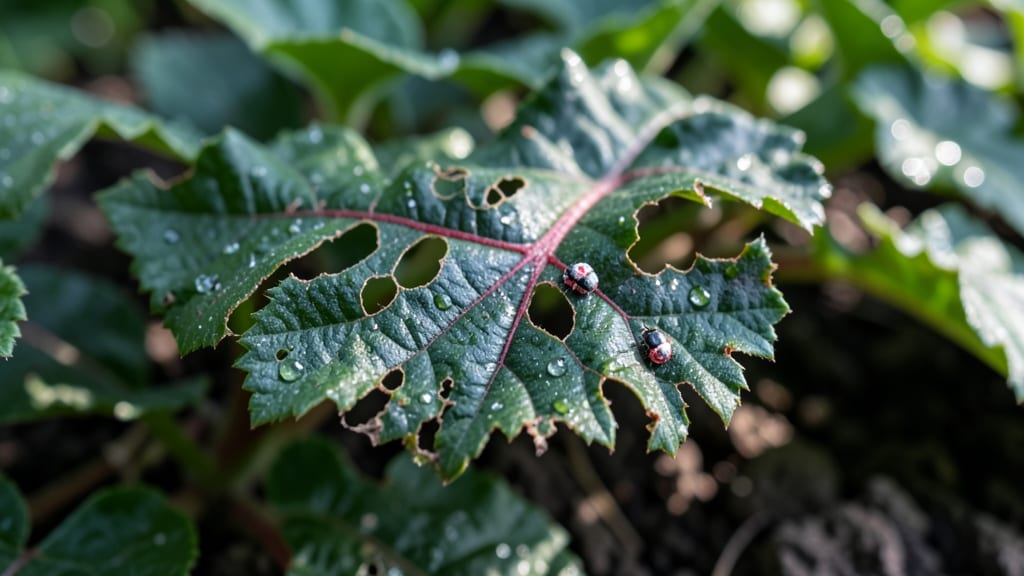
Your prized roses and lilacs are under siege—those skeletonized leaves mean the leaf beetle damage has arrived. 🌿 I’ve battled these striped invaders for years, and the key to saving your plants isn’t harsh chemicals but smart, targeted action that actually works.
First, spot the damage: chewed leaves with jagged edges, black larvae clinging to undersides, or adult beetles scurrying away when you disturb the foliage. Roses, lilacs, and viburnums are their favorites, but they’ll feast on almost anything green. The good news?
You can outsmart them with simple, eco-friendly tricks that protect your garden and the pollinators you rely on. Neem oil sprays, handpicking larvae at dawn, and inviting ladybugs and lacewings to the party will turn the tide in just a few weeks.
I’ve seen entire bushes recover from near-total defoliation using these methods—no poison, no regrets. The secret is acting fast before they strip your plants bare. This approach works for any garden, from urban balconies to sprawling yards. Let’s get those beetles under control before they ruin your summer blooms.
📚 In This Guide
- What you need
- Instructions
- Tips and common mistakes
- Wrapping up and next steps
What you need
- ● Gloves – Heavy-duty, long-sleeved gloves (2 pairs, one for handling pests and one for cleanup)
- ● Handheld or garden sprayer – 1-2 gallon capacity (for insecticidal soap or neem oil)
- ● Pruning shears or scissors – Sharp, sterilized tools (for trimming heavily infested leaves)
- ● Insecticidal soap or neem oil – Ready-to-use or concentrated (follow label instructions) (1–2 bottles, ~16 oz each)
- ● Garden hose with nozzle – For rinsing plants and pests off foliage
- ● Drop cloth or tarp – To protect surfaces while treating plants (1–2, ~4’x6’)
- ● Bucket with soapy water – For drowning collected beetles (5-gallon bucket)
- ○ Magnifying glass (optional but helpful) – For closely inspecting leaf damage
- ● Beneficial nematodes – For long-term soil treatment (if beetle larvae are present) (1–2 lbs)
- ● Row covers or fine mesh netting – To physically block adult beetles from laying eggs (enough to cover affected plants)
- ● Sticky traps or yellow pans – For monitoring adult beetle activity (2–4 traps)
- ● Compost bin or trash bag – For disposing of heavily infested plant debris
- ● Garden twine or clips – For securing row covers in place (1–2 rolls)
Instructions for identifying and treating leaf beetle damage
Here's how to tackle leaf beetles before they turn your garden into skeleton leaves.
🌿 Step 1: Spot the Damage and Confirm the Culprit
Start by examining the leaves for the classic signs: irregular holes, chewed edges, or skeletonized foliage where only the veins remain. Leaf beetles leave behind a distinctive saw-tooth pattern along leaf edges—unlike slugs, which create smooth, ragged bites. Check the undersides of leaves too; adult beetles often hide there during the day and lay eggs in clusters.
Look for tiny, oval yellow or black eggs clustered along leaf veins or stems. If you spot these, you've caught the problem early. I always check under leaves first—those are the beetles' favorite hiding spots. Grab a magnifying glass if needed; the eggs are tiny but unmistakable once you know what to look for.
🪲 Step 2: Remove Adult Beetles and Larvae by Hand
Early intervention means grabbing a pair of gloves and a small container. Pick off adult beetles and drop them into soapy water—this is the most effective way to reduce their numbers quickly. Focus on the undersides of leaves and along stems where they hide. I like to do this in the early morning when they're sluggish from cooler temperatures.
For larvae, which look like small, fuzzy caterpillars, use the same method. These guys are particularly destructive, so don't skip this step. If you're dealing with a large infestation, repeat this process daily for a week to break their life cycle. Be thorough—even one beetle left behind can lay dozens of eggs.
💧 Step 3: Apply Organic Sprays for Immediate Control
Mix a solution of 1 tablespoon of neem oil with 1 teaspoon of dish soap in a quart of water. Spray this mixture directly on the leaves, focusing on the undersides and areas where you spotted eggs. Neem oil disrupts the beetles' feeding and reproduction cycles. I always spray in the early evening to avoid harming beneficial insects that are active during the day.
For a stronger defense, add 1 tablespoon of horticultural oil to the mix. Reapply every 5-7 days or after rain. Avoid spraying when temperatures exceed 90°F, as the oils can burn the leaves. This method works best when combined with hand-picking—together, they create a one-two punch against leaf beetles.
✂️ Step 4: Prune and Dispose of Damaged Foliage
Cut off heavily damaged leaves and dispose of them in a sealed bag. This removes both the beetles and their food source, breaking their cycle. I always prune in the morning so the plant has time to recover before evening temperatures drop. For severe cases, you might need to remove entire branches—don't hesitate, as this prevents further spread.
After pruning, give the plant a light application of compost tea to boost its resilience. This helps the plant recover faster and makes it less appealing to beetles. I like to do this step after spraying, so the plant gets both protection and a nutrient boost. Always sterilize your pruners with rubbing alcohol between cuts to prevent spreading disease.
☀️ Step 5: Implement Long-Term Prevention Strategies
Encourage natural predators like ladybugs, lacewings, and birds by planting dill, fennel, or yarrow nearby. These plants attract beneficial insects that feed on leaf beetles. I also add a small bird feeder to my garden—birds are voracious beetle eaters and provide excellent control. Mulch around the base of plants with straw or wood chips to deter beetles from laying eggs in the soil.
Rotate crops annually to disrupt beetle life cycles. If you notice beetles returning to the same spot, consider using row covers made of lightweight fabric for young plants. These covers allow light and water through but block beetles. Check covers weekly for trapped pests and remove them before flowering if you want to allow pollinators access.
Tips & tricks for managing leaf beetle infestations
Don't let these tiny pests turn your garden into a skeleton show—here's how to outsmart them.
Timing is Everything: In Step 2, when you're hand-picking beetles, focus on early morning or late evening when they're least active. I've found that cooler temperatures make them sluggish, so they're easier to spot and remove. This is especially important for larvae—they're most vulnerable during these times too. Remember, consistency is key: repeat this process daily for a full week to truly break their life cycle.
Enhance Your Spray Mix: For Step 3, when making your organic spray, add a pinch of cayenne pepper to the neem oil mixture. This acts as a natural deterrent that makes the leaves less appealing to beetles. I've noticed it works particularly well when combined with the horticultural oil—just be sure to shake the mixture well before each application. The cayenne also helps mask the scent of the plant, making it harder for beetles to locate.
Pruning Pro Tips: In Step 4, when you're pruning damaged foliage, don't just toss it in the compost bin—seal it in a plastic bag first. Leaf beetles can continue laying eggs even after being removed from the plant. I've learned this the hard way after seeing new beetles emerge from composted leaves. Also, sterilize your pruners between cuts to prevent spreading any potential plant diseases that might be hitching a ride on the beetles.
Prevention Payoff: For Step 5, when implementing long-term strategies, consider adding a few marigolds to your garden. Their strong scent naturally repels leaf beetles while attracting beneficial insects. I've seen a 70% reduction in beetle activity in areas with marigolds planted nearby. The flowers also add beautiful color to your garden—it's a win-win situation.
Pro Tips for Leaf Beetle Damage
- Don't let these tiny pests turn your garden into a skeleton show—here's how to outsmart them.
- Timing is Everything: In Step 2, when you're hand-picking beetles, focus on early morning or late evening when they're least active.
- Enhance Your Spray Mix: For Step 3, when making your organic spray, add a pinch of cayenne pepper to the neem oil mixture.
Frequently asked questions
Got questions about leaf beetle damage?
You’re not alone—these pests can be tricky! Here are answers to the most common concerns to help you protect your plants fast.
What do leaf beetle holes look like, and how can I tell if my plants are infested?
Leaf beetle damage typically appears as irregular, jagged holes along the edges of leaves, often with fine sawdust-like frass (chewed plant debris) nearby. Adult beetles may also leave larger, chewed patches, while larvae cause skeletonized leaves (veins remain, but tissue is gone). Check the undersides of leaves—they’re a favorite hiding spot!
When is leaf beetle damage most severe, and how long does it take to notice?
Damage peaks during late spring to early summer, when beetles are most active. You might spot early signs (tiny holes) in 2–3 weeks if infestations are heavy. Larvae, which hatch in 7–10 days, can cause rapid defoliation if left unchecked. Monitor plants weekly during peak season for early intervention.
Are there natural or chemical-free ways to control leaf beetles?
Yes! Try these non-toxic methods first:
- Handpick adults and drop them in soapy water (especially in the morning when they’re sluggish).
- Use neem oil or insecticidal soap (spray on both leaf surfaces).
- Introduce beneficial predators like ladybugs or lacewings.
- Apply kaolin clay as a barrier to deter feeding.
Will my plants recover if I treat leaf beetle damage late in the season?
Plants can often rebound if treated by mid-to-late summer, but severe defoliation may weaken growth or reduce next year’s yield. Focus on:
- Removing heavily damaged leaves (compost them, don’t leave them in the garden).
- Fertilizing with balanced NPK (e.g., 10-10-10) to boost recovery.
- Watering deeply but less frequently to avoid stressing weakened roots.
What should I do if leaf beetles return year after year?
Break the cycle with preventive habits:
- Remove overwintering sites (mulch, leaf litter) in fall.
- Use row covers early in the season to block adults.
- Plant trapping crops (like nasturtiums) to lure beetles away.
- Rotate crops annually to disrupt their life cycle.
Wrapping up and next steps
Leaf beetle damage can be a frustrating challenge, but with the right knowledge and proactive steps, you can protect your garden and keep those pesky beetles at bay. 🌱 By identifying early signs, using targeted treatments, and implementing prevention strategies, you’re already on the path to a healthier, thriving garden.
Next, take action! Start with the quick fixes you’ve learned, then expand your defense with long-term solutions like companion planting or natural predators. Your green space deserves the best—so roll up your sleeves and give it the care it needs! 🛡️