
Plants
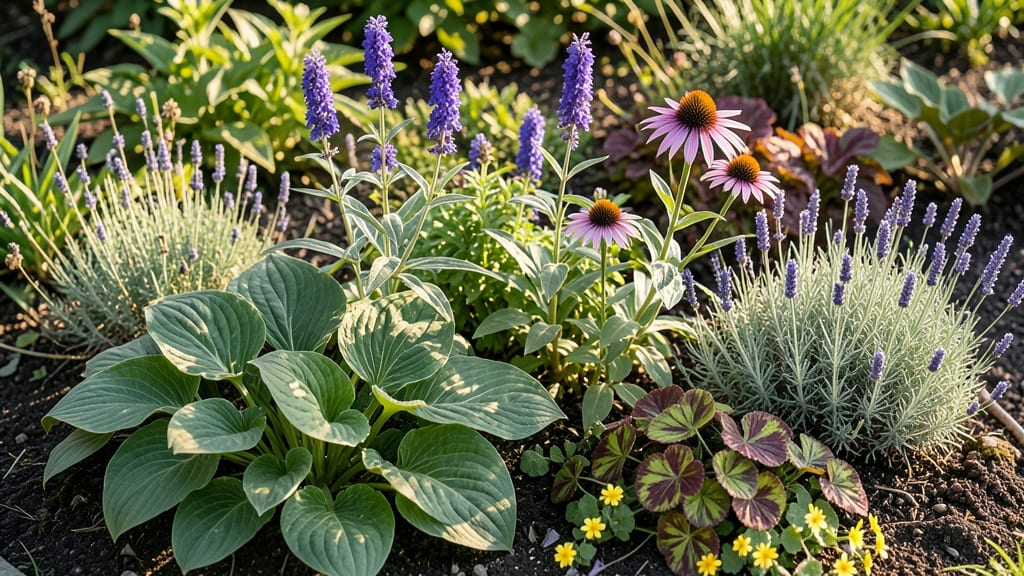
Perennial plant identification by leaf pictures saves you from guessing which plant will return next spring. 🌿 I’ve spent years mistaking hostas for lilies and ferns for grasses—until I learned to focus on leaf shape, edges, and veins. A single close-up photo can reveal whether those lush green clumps are hardy asters or invasive bamboo. The secret lies in three key details: leaf arrangement (alternate vs. opposite), margins (smooth, lobed, or serrated), and texture (hairy, waxy, or fuzzy). Compare your photo to trusted sources like the Missouri Botanical Garden’s database or apps like PictureThis—both let you upload images for instant matches. No more dead zones in your garden from mislabeled plants. Once you nail the ID, care becomes effortless. Hostas thrive in shade, while Russian sage needs full sun and drought. A correct match means fewer wilting surprises and more blooms. Start with 10 common perennials—like lamb’s ear or catmint—and build your visual library over time. This method works for backyard beds, containers, or even wildflower patches. Grab your phone and a sunny afternoon—your garden’s mysteries are about to become clear.
Why Leaf Shapes Vary So Widely
Identifying perennials by leaf pictures can feel like solving a puzzle—especially when leaves look wildly different even among closely related plants. But why do leaves vary so much in shape, texture, and arrangement?
The answer lies in a mix of evolutionary adaptations, environmental pressures, and the plant’s own survival strategies. Understanding these causes helps you decode leaf clues with confidence.
Leaves aren’t just decorative—they’re the plant’s lifeline for photosynthesis, water regulation, and defense. Over millions of years, perennials have developed diverse leaf shapes to thrive in specific conditions:
- Maximizing Sunlight: Broad, flat leaves (like those of Hostas) capture more sunlight for photosynthesis, ideal for shady gardens. In contrast, narrow or lobed leaves (e.g., Black-Eyed Susans) reduce shade competition by allowing light to penetrate deeper into the canopy.
- Water Conservation: Plants in dry climates often have thick, waxy, or hairy leaves (e.g., Sedum) to minimize water loss. Others, like Mint, have jagged edges to create microclimates that trap moisture.
- Defense Mechanisms: Spiky or aromatic leaves (e.g., Rue or Lavender) deter herbivores. Some perennials, like Stinging Nettle, use physical defenses (stinging hairs) to protect themselves.
Actionable Tip: Notice if leaves are smooth or fuzzy, soft or leathery, or scented when crushed—these traits often reveal the plant’s habitat and purpose.
Climate, soil, and light conditions shape leaf morphology. For example:
| Factor | Leaf Adaptation | Example Perennials |
|---|---|---|
| High Humidity | Large, thin leaves (increase surface area for gas exchange) | Caladium, Tropical Ginger |
| Drought | Small, rolled, or succulent leaves (reduce water loss) | Sedum, Yarrow |
| Strong Winds | Leathery, reduced, or divided leaves (minimize damage) | Ornamental Grasses, Sea Thrift |
| Poor Soil | Deeply lobed or compound leaves (increase nutrient absorption) | Lungwort, Goat’s Beard |
Pro Tip: If a leaf looks thick and fleshy, the plant likely evolved in arid conditions. If it’s delicate and veiny, it probably thrives in moist, fertile soil.
Even within the same species, leaves can vary due to:
- Genetic Mutations: Some perennials develop variegated or curled leaves (e.g., Variegated Hosta) due to spontaneous genetic changes. These traits are often stable and passed down.
- Hybridization: Crossbreeding (like Daylilies or Coneflowers) can produce leaves that blend traits from parent plants—think broad but serrated edges or unusual color patterns.
- Juvenile vs. Mature Leaves: Young plants often have simpler leaves (e.g., Lamb’s Ear starts fuzzy but may lose texture as it ages). Always compare leaves at the same growth stage for accurate ID.
✨ Key Insight: If you’re comparing leaves from a nursery catalog to your garden and they don’t match, check for cultivar differences or seasonal changes (e.g., Monkshood leaves look drastically different in spring vs. summer).
By recognizing these underlying causes, you’ll start to see patterns—not just random shapes. Next time you’re flipping through leaf pictures, ask: “Is this leaf built for sun, shade, drought, or defense?” The answer might just unlock the plant’s identity.
Quick Fixes for Leaf ID Confusion
Struggling to match leaves to perennials? Even experienced gardeners sometimes get stuck when leaves look too similar—think hostas vs. lilies or ferns vs. grasses. The good news? A few simple strategies can turn guesswork into confidence.
Below, we break down common challenges and practical, step-by-step solutions to nail your perennial plant identification by leaf pictures.
Problem: Two plants share the same basic shape (e.g., broad, heart-shaped leaves), but their details differ. Solution:
- Zoom In on the Margins 🔪
- Are the edges smooth, lobed, serrated, or wavy? Use a magnifying glass or phone camera macro mode.
- Example: Hostas have smooth edges, while some astilbes have finely serrated fronds.
- Check the Vein Pattern 🌿
- Parallel veins (common in grasses like ornamental wheat) vs. net-like veins (typical of perennials like peonies).
- Pro Tip: 💡 Hold the leaf up to light—veins cast shadows that reveal their true structure.
- Compare Leaf Arrangement 📐
- Alternate (one leaf per node, like daylilies) vs. whorled (multiple leaves at a node, like Solomon’s seal).
- Quick Test: Snap a picture from above—arrangement is often the tiebreaker.
Problem: Your phone pic is pixelated, backlit, or lacks contrast. Solution:
- Lighting Matters ⚡
- Shoot on an overcast day or in soft shade to avoid harsh shadows.
- Avoid: Direct sunlight (creates glare) or flash (washes out colors).
- Focus on Texture 🖼️
- Capture close-ups of:
- Hairiness (fuzzy leaves = lamb’s ear; smooth = most hostas).
- Color variations (purple undersides = some heucheras).
- Tool: Use a white sheet as a backdrop for flat lays.
- Capture close-ups of:
- Use Apps for Clarity 📱
- Google Lens or PlantNet can enhance images and suggest matches.
- Bonus: Save high-res samples to a Pinterest board for future reference.
Problem: A leaf looks nothing like its spring version by summer (e.g., purple hostas fading to green). Solution:
- Track Growth Stages 📅
- Take monthly photos of the same plant to document changes.
- Example: Coneflower leaves start broad and narrow as they mature.
- Compare to Known Samples 🔄
- Cross-reference with botanical databases (like Missouri Botanical Garden’s PlantFinder) for seasonal variations.
- Note Flower/Seed Head Clues 🌸
- If leaves are ambiguous, check for:
- Flower color/shape (e.g., black-eyed Susans vs. goldenrod).
- Seed pods (e.g., milkweed’s distinctive pods).
- If leaves are ambiguous, check for:
- Label Your Garden 🏷️: Use plant stakes or QR codes (apps like Gardenate let you scan labels later). - Join Plant Communities 👥: Post unclear pics on Reddit’s r/whatsthisplant or Facebook groups for second opinions. - Keep a Field Journal ✍️: Sketch leaf shapes, sizes, and colors—no phone?
No problem!
Remember: Even experts misidentify plants at first glance. The key is layered observation—don’t rely on one trait (like leaf shape) alone. Combine texture, arrangement, and seasonal clues for foolproof matches. Happy identifying! 🌱🔍
Frequently asked questions
What's the fastest way to identify a perennial plant just from a leaf picture?
Use the 3-Point Checklist:
- Leaf arrangement (alternate vs. opposite),
- Margin type (smooth, serrated, lobed), and
- Vein pattern (parallel vs. net-like). Apps like PictureThis or Google Lens can instantly match these traits to databases of 50+ common perennials—just snap a clear photo in natural light.
How do I tell the difference between a perennial and annual plant using leaves?
Perennials typically have sturdier stems and larger, more complex leaves (like lobed or deeply veined structures). Annuals often feature softer, simpler leaves that die back completely after flowering. Check for woody bases or returning foliage year after year—a dead giveaway for perennials.
Why do some perennial leaves change shape as the plant grows?
This is called heterophyll—common in plants like watercress or monkshood. Young leaves often start broad and smooth, then develop lobes or serrations as the plant matures. Always compare leaves at the same growth stage for accurate ID.
What if my leaf picture doesn't match any online results?
Try these troubleshooting steps:
- Check lighting—shoot on an overcast day,
- Focus on texture (hairy, waxy, or fuzzy?), and
- Look for flowers or seed heads nearby. If still stuck, post in r/whatsthisplant with your photo—the community often spots details databases miss!
Can I use leaf pictures to identify plants in winter when leaves are gone?
Yes! Look for bud shapes, stem patterns, or dead foliage remnants. Many perennials leave distinctive seed heads (like black-eyed Susans) or woody stems (e.g., Russian sage) that reveal their ID. Keep a year-round photo journal of your garden’s key features.