
Pests and Diseases
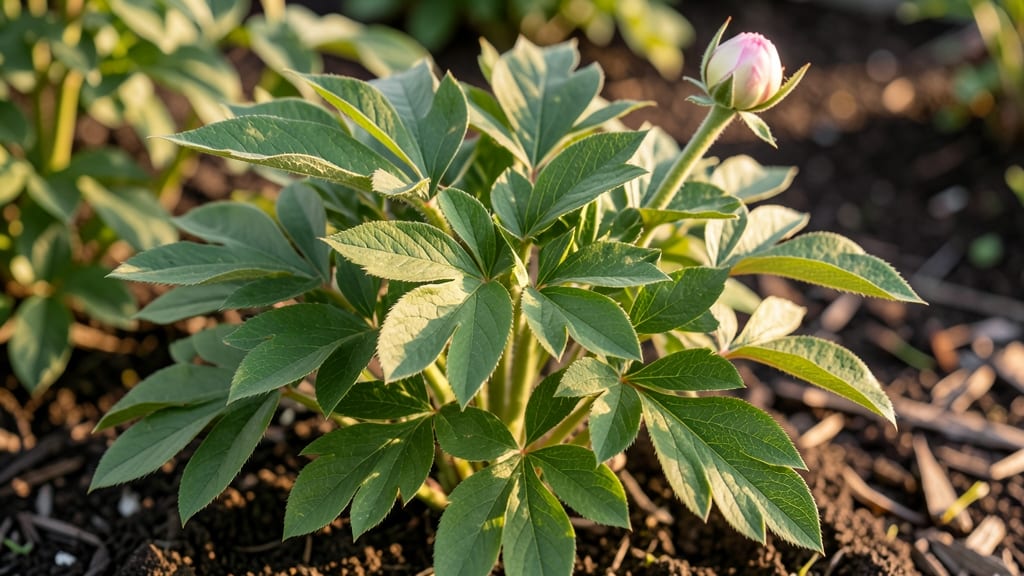
The shape of the peony leaf—lobed, serrated, and deep green—is far more than just a pretty detail. It’s your first clue to whether your plant is thriving or silently struggling.
Most gardeners focus on the blooms, but those leaves tell a story: curled edges might mean too much water, while yellowing spots could signal fungal trouble. I’ve seen peonies in my own garden go from lush to limp in weeks because I ignored the warning signs in their foliage.
Below, I break down what healthy peony leaves look like at every stage, how to spot common problems early, and the simple care tweaks that keep them vibrant. No green thumb required—just a little attention to detail.
You’ll learn to read your peony’s leaves like a pro, saving yourself from wasted effort and disappointed blooms. Let’s get started.
How to identify peony leaf shape variations and what they mean
Peonies boast distinctive foliage that often gets overshadowed by their showstopping blooms. Their leaf shape isn’t just visually striking—it’s a diagnostic tool for plant health. Whether you’re a beginner or seasoned gardener, recognizing normal variations versus warning signs can save your peonies from stress or disease.
Let’s decode the secrets hidden in those lush, green leaves.
Healthy peony leaves typically feature pinnate compound leaves with 3-5 lobed leaflets per stem. Each leaflet has serrated edges and a deep green hue. The shape can vary slightly between tree peonies (larger, broader leaflets) and herbaceous peonies (more delicate, finely serrated).
Understanding these differences helps you spot early signs of trouble before they escalate.
| Leaf Type | Description | Health Indicator |
|---|---|---|
| Mature Herbaceous | 3-5 lobed leaflets, serrated edges, deep green, 2-4" long | Healthy, vigorous growth |
| Young Growth | Smaller, less lobed, lighter green, smooth edges | Normal early-season development |
| Tree Peony | Larger leaflets, broader lobes, thicker stems, darker green | Mature, established plants |
| Yellowing (Chlorosis) | Pale yellow between veins, serrated edges remain green | Iron deficiency or alkaline soil |
| Curling (Pest/Disease) | Edges curl upward, stiff texture, possible white webbing | Spider mites or fungal stress |
New peony leaves emerge in early spring with a softer shape and lighter color. As they mature, they develop deeper lobes and a richer green hue. This progression is normal, but any sudden changes—like dark spots or irregular growth—can signal stress.
For example, powdery mildew often appears as white, powdery patches on leaf surfaces, while aphids cause curled, sticky leaves.
Seasonal changes also affect leaf appearance. In late summer, peony leaves may turn yellowish-green as nutrients prepare for dormancy. However, if leaves yellow prematurely (before fall), it could indicate overwatering or root rot.
Always check the soil moisture before assuming disease. Healthy peony leaves should stay firm to the touch and free of blemishes.
One of the most common misconceptions is that all peony leaves look identical. In reality, tree peonies have broader, more robust leaflets compared to the finer, herbaceous peony varieties. This distinction is crucial for identifying the right plant type in your garden.
For instance, Paeonia lactiflora (herbaceous) has 3-5 leaflets, while Paeonia suffruticosa (tree peony) often has 5-7 leaflets.
Pay close attention to the leaf arrangement along the stem. Peony leaves grow in a spiral pattern, with each new set emerging slightly higher than the last.
This alternate phyllotaxy is a hallmark of healthy peony growth. If leaves grow clustered or unevenly, it may indicate nutrient imbalance or root damage from improper planting.
When diagnosing leaf issues, compare both sides of the leaf. The upper surface should be a vibrant green, while the underside may appear slightly lighter. Any discoloration on the underside—like black spots or fuzzy growth—often signals fungal infections.
Act quickly by removing affected leaves and treating with neem oil or copper fungicide.
For gardeners in USDA Zones 3-8, peony leaves may also show winter damage if protected improperly. In early spring, check for brown, crispy edges or blackened stems, which indicate frost damage. Mulch around the base in late fall to insulate roots and preserve leaf health through winter.
If your peony leaves develop unusual patterns, like white streaks or purple tinges, it could signal viral infections or mineral deficiencies. For example, magnesium deficiency causes yellow patches between veins, while phosphorus deficiency leads to dark green, purplish undersides.
Conduct a simple soil test to address these issues before they affect blooms.
Remember, leaf shape is your first line of defense against peony problems. By familiarizing yourself with
Common peony leaf problems and how leaf shape reveals them
Peony leaves are your first line of defense against hidden plant problems. A healthy peony leaf typically features deep green, glossy surfaces with lobed edges and pinnate structure.
When these leaves start showing irregularities—like yellowing, curling, or distorted shapes—it’s often a sign of underlying issues that leaf shape can help you diagnose early.
For example, powdery mildew often causes leaves to develop a white, powdery coating along the edges, while aphid infestations may lead to stunted, curled leaves. Understanding these visual cues can save your peonies from severe damage and help you act before problems escalate.
If your peony leaves show these red flags, act fast:
- Yellowing between veins → Iron chlorosis (soil pH issue)
- White powdery patches → Powdery mildew (fungal infection)
- Black, water-soaked spots → Bacterial blight (remove infected leaves immediately)
- Curled, sticky leaves → Aphid infestation (spray with neem oil)
Ignoring these signs can lead to reduced blooms or even plant death in severe cases.
One of the most common issues is iron chlorosis, where leaves develop yellow patches between veins while veins stay green. This often happens in alkaline soil or when peonies are planted too deep. Adjusting the soil pH with chelated iron or compost can restore leaf health within weeks.
Fungal infections like powdery mildew appear as white, fuzzy growths on leaf surfaces, often starting at the leaf edges. Prune affected leaves immediately and apply neem oil or baking soda spray to prevent spread. For bacterial blight, look for dark, greasy spots that spread quickly—remove infected foliage and avoid overhead watering.
Pests like aphids and spider mites also alter leaf shape. Aphids cause curled, sticky leaves due to honeydew secretion, while spider mites create fine webbing and speckled yellowing. A strong water spray or insecticidal soap can control these pests before they weaken your peonies.
To keep your peonies thriving, monitor leaf shape regularly and address issues as soon as they appear. Healthy leaves mean stronger blooms and longer-lasting plants—so don’t wait until the damage is done! 🌿