
Pruning
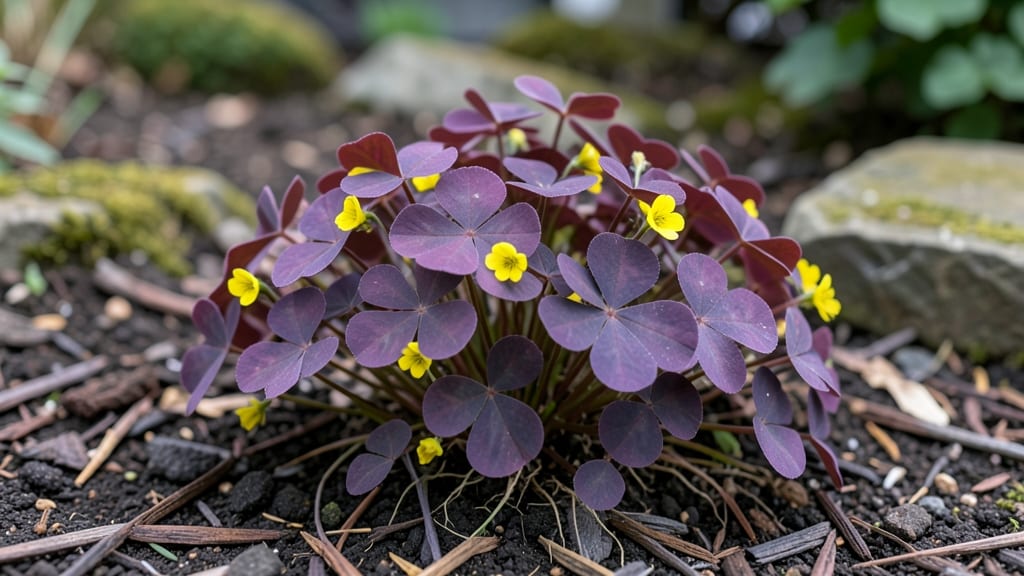
The 3-point leaf tree (Piptadenia macrocarpa) stands out with its trifoliate leaves—three narrow, pointed leaflets arranged symmetrically—and produces clusters of fragrant yellow flowers. This Argentine native thrives in warm climates, demanding full sun exposure, well-draining soil, and only occasional watering after establishment.
The 3-point leaf tree's botanical name, Piptadenia macrocarpa, reflects its signature leaf structure and large seed pods. 🌿 Unlike mimosas, which have fern-like foliage, this tree's leaves grow in precise three-part clusters, earning its common name.
The fragrant flowers attract pollinators and add ornamental value, while its fast growth makes it popular for hedges or shade trees in USDA zones 9-11. Proper identification is key—its bark develops distinctive ridges as it matures, and the seed pods resemble elongated beans.
This tree's care requirements reflect its native Argentine habitat, where it adapts to dry conditions. 💧 While it prefers full sun, it tolerates partial shade in hotter climates, making it versatile for landscapes. The well-drained soil requirement prevents root rot, and once established, its drought tolerance reduces maintenance needs.
Pruning should focus on removing dead branches in late winter to encourage new growth and maintain its natural shape.
💡 In This Article
- Identifying Key Features of the 3-Point Leaf Tree
- Optimal Growing Conditions for a Healthy 3-Point Leaf Tree
Identifying key features of the 3-Point leaf tree
The 3-point leaf tree earns its name from its signature trifoliate leaves, where three elongated, lance-shaped leaflets (each 2-4 inches long) radiate from a central stem.
These leaflets are smooth-edged with a glossy finish, unlike the fern-like foliage of mimosas. 🌿 The arrangement creates a symmetrical "three-point" pattern when viewed from above, making identification straightforward even from a distance. Each leaflet tapers to a sharp point, distinguishing it from acacias, which often have broader, rounded leaflets.
The tree's bark develops striking vertical ridges as it matures, especially on mature specimens over 10 years old. Young trees have smoother bark that gradually darkens from grayish-brown to a deeper mahogany hue.
The flowers appear in late spring to early summer as fragrant, 1-inch-wide yellow clusters, each with 5-7 petals that emit a sweet, citrusy scent—similar to honey locust but more delicate. These flowers attract bees and butterflies, adding ecological value to landscapes.
One of the most distinctive features is the seed pod, which resembles a flattened, 6-12 inch long bean with a papery texture. When mature, these pods split open along two seams, releasing dark brown seeds. Unlike mesquite pods, they don't curl tightly but remain relatively flat.
The tree's growth habit is another clue—it typically reaches 20-30 feet tall with a rounded canopy, though it can be pruned into a more compact shape for hedges.
Seasonal changes provide additional identification cues. In winter, the tree sheds its leaves, revealing its skeletal structure. New growth in spring emerges with a bright green hue that darkens as leaves mature. Unlike some related species, the 3-point leaf tree doesn't produce thorns, making it safer for residential planting.
This absence of spines helps differentiate it from acacias and other thorny legumes in its family.
For a visual comparison, imagine holding three 3-inch rulers side by side—the leaflets' proportions match this scale. The tree's overall shape resembles a broad, bushy umbrella when fully grown, with branches spreading outward rather than upward.
This open growth habit allows sunlight to reach the lower canopy, preventing fungal issues common in dense foliage.
What most gardeners overlook is how the leaflets' veins create a subtle network visible when backlit by sunlight. These secondary veins branch out at 45-degree angles from the central vein, forming a delicate lattice that's a hallmark of the species.
This vein pattern is more pronounced than in related trees like the honey locust, which has more parallel venation.