
Pruning
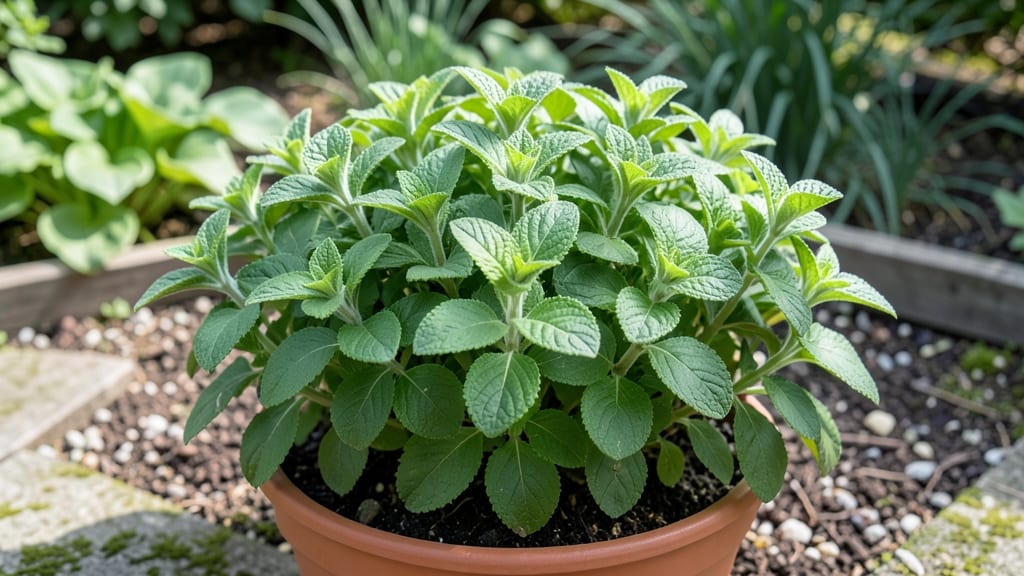
That oval leaf mint bush transforms from a leggy mess into a lush, fragrant powerhouse with the right pruning—honestly, I’ve gone from struggling with woody stems to having a bush that stays bushy and productive year-round. 🌿 The secret isn’t just cutting back; it’s timing those snips to encourage dense growth while keeping it from getting too woody or sparse.
Most people prune once in spring, but this mint thrives with three strategic cuts—and the results are shockingly lush.
Start by planting your mint in partial shade to morning sun, where it won’t scorch in afternoon heat. Well-draining soil is key—this mint hates soggy roots, so amend heavy clay with compost if needed.
Water consistently but let the top inch dry between drinks; overwatering turns leaves bitter. Once established, it’s surprisingly drought-tolerant, but regular pruning keeps it from bolting or flowering too early (which weakens flavor and growth).
By pruning right after flowering in early summer, you’ll trigger a second flush of tender growth before winter. In late winter, cut back by one-third to remove dead wood and encourage fresh spring shoots.
The payoff? A compact, fragrant bush that stays vibrant even in winter—perfect for culinary uses or as a living border. Plus, you’ll harvest more leaves without sacrificing the plant’s health.
Container gardening works too—just use a 12-inch pot with drainage and prune more aggressively to control size. And here’s a pro tip: Never let it flower indoors if you want strong growth, or you’ll get leggy, sparse stems.
With this routine, your mint will be the neighborhood’s most talked-about bush—and your kitchen’s secret weapon.
📚 In This Guide
- What you need
- Instructions
- Tips and common mistakes
- Wrapping up and next steps
What you need
- ● Pro tip: 💡 Sterilize your tools before and after use! Mint bushes are prone to fungal issues, so a quick wipe-down with alcohol keeps your plant happy and healthy.
Instructions for year-round oval leaf mint bush pruning
Here’s how I keep my oval leaf mint lush and productive through every season—no guesswork, just consistent results.
✂️ Step 1: Spring Pruning for New Growth
Start in early spring when new shoots appear, typically around late March to April depending on your climate. I cut back one-third of the plant’s height using clean, sharp pruners. This removes leggy growth from winter and encourages dense, bushier foliage. Always make cuts just above a leaf node or set of leaves—this is where new growth will sprout.
Remove any dead or yellowed stems first, as they won’t regrow. After trimming, give the plant a light watering to help it recover. You’ll see new growth within 7-10 days, signaling the plant is responding well. This is also the time to shape the bush—trim uneven branches to maintain a balanced shape.
☀️ Step 2: Summer Maintenance for Fullness
Throughout summer, I prune every 4-6 weeks to maintain size and encourage dense growth. The key is to trim just above a set of leaves—never leave a stub. This prevents bare spots and keeps the plant compact. If your mint starts to look leggy or sparse, it’s time to prune again.
Watch for flowering stems—they drain energy from leaf production. Snip them off immediately at the base. I also harvest leaves regularly in summer, which stimulates new growth. After each pruning, I lightly fertilize with a balanced 10-10-10 to support the plant’s recovery.
⏰ Step 3: Fall Preparation for Winter Hardiness
By mid-October, reduce pruning to light maintenance only. Trim back any dead or diseased foliage, but avoid heavy cuts that stress the plant before winter. Focus on removing weak stems and opening up airflow to prevent fungal issues. This is also when I add a 2-inch layer of mulch around the base to insulate roots.
If your mint is in a container, move it to a sheltered spot or bring it indoors if temperatures drop below 20°F. In-ground plants will survive winter with proper mulching, but containers need extra protection. Prune lightly again in early spring to remove any frost damage before new growth begins.
🌱 Step 4: Winter Check-In for Dormant Care
Even in winter, I check my mint bushes monthly for signs of stress. If stems appear mushy or discolored, trim them back immediately to prevent rot. Avoid heavy pruning in winter—just remove dead material and leave the rest to rest. In very cold climates, a thick layer of mulch (up to 4 inches) keeps roots from freezing.
This is also the time to plan next year’s shape. If your mint grew unevenly, note where you’ll focus pruning in spring. A little winter prep means less work later and a healthier plant come spring. The goal is to wake up to a bush that’s already thriving, not struggling to recover.
Tips & tricks for perfect oval leaf mint maintenance
Keeping your oval leaf mint thriving all year takes a few key strategies—these will help you avoid common pitfalls and maximize growth.
Timing is Everything: When you prune in late March to April during Step 1, time it with the first fresh growth after winter dormancy. This ensures you’re cutting back just enough to stimulate new shoots without over-stressing the plant. If you’re in a cooler climate, wait until you see at least 1-2 inches of new growth before pruning—this signals the plant is ready for shaping.
The Technique That Changed Everything: For summer maintenance in Step 2, I’ve found that using a clean, sharp pair of pruning shears makes all the difference. Dull blades crush stems instead of cleanly cutting them, which can lead to disease entry points. After each cut, wipe your shears with rubbing alcohol to prevent cross-contamination between plants. This simple habit has kept my mint bushes healthier through multiple growing seasons.
Winter Protection Wisdom: The 20°F threshold mentioned in Step 3 is critical for container-grown mint. I’ve learned that even hardy oval leaf mint struggles when roots freeze, so I always move potted plants to a sheltered spot like a garage or under an eave. For in-ground plants, that 2-inch mulch layer acts like a blanket—it doesn’t just insulate, it also prevents soil temperature fluctuations that can shock roots.
Make-Ahead Strategy: You can plan your pruning schedule in advance by marking your calendar for every 4-6 weeks in summer and mid-October for fall prep. I keep a small notebook by my gardening tools to jot down which stems I pruned and when, which helps me spot growth patterns. This proactive approach means I’m always one step ahead of potential issues rather than playing catch-up.
Pro Tips for Oval Leaf Mint Bush
- Keeping your oval leaf mint thriving all year takes a few key strategies—these will help you avoid common pitfalls and maximize growth.
- Timing is Everything: When you prune in late March to April during Step 1, time it with the first fresh growth after winter dormancy.
- The Technique That Changed Everything: For summer maintenance in Step 2, I’ve found that using a clean, sharp pair of pruning shears makes all the difference.
Frequently asked questions
When is the best time to prune my oval leaf mint bush?
Prune your oval leaf mint bush after flowering (late summer to early fall) to encourage bushier growth. Light trimming in spring removes dead growth, while a harder prune in late winter (before new shoots appear) promotes dense foliage. Avoid heavy pruning in fall if you live in cold climates—wait until spring to prevent winter damage.
How much can I trim back without harming the plant?
You can safely trim up to 1/3 of the plant’s height in one session, but avoid cutting into woody stems. For oval leaf mint, focus on soft, green growth—this encourages new shoots. If you prune too aggressively, the bush may take longer to recover, but it’ll bounce back with proper care!
Does oval leaf mint need winter pruning in cold climates?
In colder zones (USDA 5-7), prune lightly in early spring (after frost danger passes) to remove dead or damaged branches. Avoid winter pruning—it stresses the plant. If your mint looks woody or leggy by spring, a renewal prune (cutting back by half) can rejuvenate it for the season.
Can I use oval leaf mint prunings in cooking or tea?
Fresh prunings
(especially from soft stems) are perfect for teas, pestos, or garnishes. Rinse leaves well to remove dirt, and store in the fridge for up to a week or freeze for longer use. Pro tip: Use pruned stems as cuttings to propagate new plants—just root them in water or moist soil!
Why is my oval leaf mint bush getting leggy or sparse?
Leggy or sparse growth usually means too little light or over-pruning. Move the plant to 6+ hours of sunlight daily and reduce pruning frequency. If the center looks bare, cut back overgrown outer stems to encourage inward growth. Fertilize lightly in spring with a balanced 10-10-10 mix if soil is poor.
What’s a good alternative if my oval leaf mint bush isn’t thriving?
If your oval leaf mint struggles with your climate or soil, try ‘Walker’s Low’ mint (hardy and bushy) or peppermint (more cold-tolerant). For a non-invasive option, grow apple mint (Mentha suaveolens)—it’s fragrant, bushy, and less aggressive. Just ensure all mints have contained roots (like in pots) to prevent spreading!
Wrapping up and next steps
Mastering the art of year-round pruning for your oval leaf mint bush is a game-changer—it keeps your plant lush, vibrant, and thriving while preventing woody stems and overgrowth. 🌿 With the right tools, timing, and techniques, you’ll enjoy a bushier, healthier plant that rewards you with abundant harvests and fragrant foliage.
Ready to take your mint game to the next level?
Your next step? Grab those pruners, schedule a quick trim session, and watch your oval leaf mint bush flourish! Start small—even a 10-minute pruning session can make a difference. Happy gardening! 🌱