
Pruning
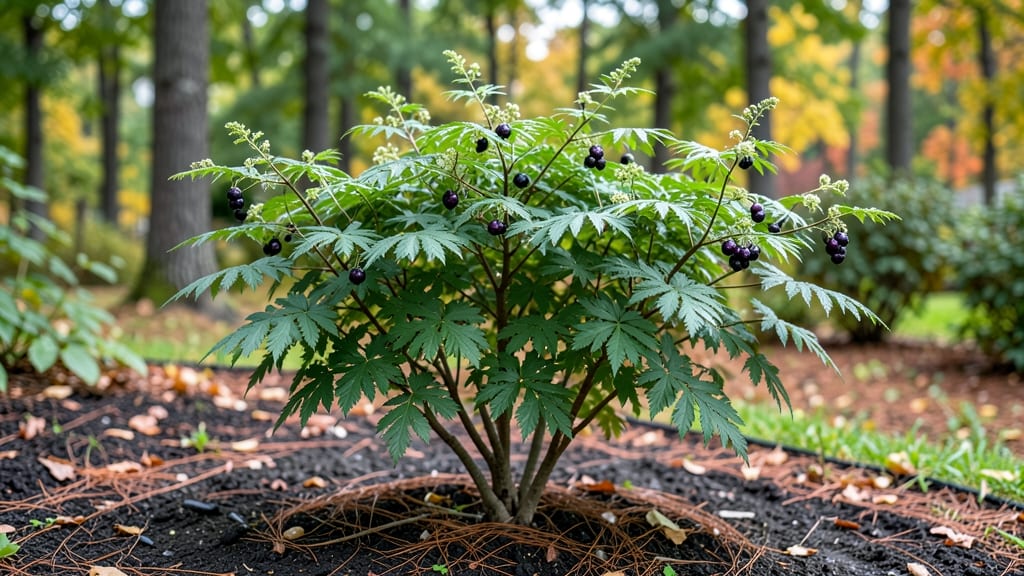
Your fern leaf buckthorn tree (Rhamnus frangula) thrives when pruned right—here’s how to keep it lush and healthy year-round. 🌿 I learned the hard way that skipping pruning leads to tangled branches and fewer berries, but this simple routine transforms it into a tidy, wildlife-friendly shrub.
Start with basic tools: sharp pruners for clean cuts and a small saw for thicker branches. Prune in late winter or early spring before new growth begins—this prevents stress and keeps the tree compact. Remove any dead, diseased, or crossing branches first, then thin out crowded areas to improve airflow.
You’ll end up with a tree that’s easier to maintain, produces more berries for birds, and stays dense enough for privacy screening. The key is consistency—just 15-20 minutes twice a year makes a huge difference in its appearance and health.
Works for both formal hedges and naturalistic plantings. Let’s get those branches looking sharp!
📚 In This Guide
- What you need
- Instructions
- Tips and common mistakes
- Wrapping up and next steps
What you need
- ● Pruning shears (bypass or anvil type): Choose sharp, high-quality shears (e.g., Felco or Fiskars) with 4-6 inch blades for clean cuts.
- ● Loppers: Long-handled (20-24 inches) for thicker branches (1–2 inches in diameter). Opt for ratcheting loppers for ease.
- ● Pruning saw: A curved-tooth pruning saw (e.g., Bahco) for branches 2+ inches thick.
- ● Gloves: Heavy-duty, cut-resistant gloves (e.g., Mechanix or garden-specific) to protect against thorns and sap.
- ● Disinfectant (70% isopropyl alcohol or bleach solution): 1 part bleach to 9 parts water to sterilize tools between cuts and prevent disease.
- ○ Pruning sealant (optional): Tree wound paint (e.g., Tanglefoot Tree Wound Pruning Seal) for cuts larger than ½ inch.
- ● Ladder or step stool: Sturdy and tall enough to reach the tree’s highest branches safely.
- ● Trash bags or bucket: For collecting pruned branches and debris.
- ● Weather check: Prune on a dry, cloudy day (avoid wind or rain) to minimize stress on the tree.
- ● Safety gear: Safety glasses and long sleeves/pants to protect from sap and thorns.
- ● Tree assessment: Inspect the tree for dead, diseased, or crossing branches before starting.
- ● Sharp tools: Always sharpen blades before pruning for clean cuts.
- ● Pruning rope: For securing branches during heavy pruning.
- ● Extension pole pruners: For high branches without a ladder.
- ● Notebook & pen: To sketch a pruning plan or mark branches to remove.
- ● Mulch: Organic mulch (e.g., wood chips) to replenish after pruning.
Step-by-step pruning guide for fern leaf buckthorn trees
Here’s how to keep your fern leaf buckthorn looking lush and healthy all year—without overcomplicating it.
✂️ Step 1: Prune in Late Winter or Early Spring for New Growth
Timing is everything with buckthorn. I always start pruning in late February or early March, just as new buds begin to swell but before leaves emerge. This ensures you’re cutting back old growth while encouraging fresh, vibrant foliage. Use clean, sharp pruning shears to make cuts at a 45-degree angle about ¼ inch above a bud—this prevents water from pooling and rotting the stem.
Remove any dead, diseased, or crossing branches first. These are easy to spot—they’re either brown and brittle or growing inward toward the center of the tree. I like to work from the bottom up, so I can see the overall shape as I go. If you’re unsure about a branch, leave it for now and revisit it in a few weeks.
✂️ Step 2: Thin Out Crowded Branches for Airflow
Fern leaf buckthorn trees thrive when they get plenty of airflow. If branches are growing too close together, they’ll compete for sunlight and nutrients, leading to weak, leggy growth. Look for areas where branches are within 6 inches of each other—these are prime candidates for thinning. Remove one of the two branches, always choosing the weaker or smaller one to leave the stronger branch intact.
This step is where the tree’s natural shape starts to emerge. Step back every few cuts to check the balance. You’ll notice how the tree’s structure opens up—it’s like giving it a breath of fresh air. Avoid cutting more than 25% of the tree’s foliage in one session, or you’ll shock the plant and stunt its growth.
✂️ Step 3: Shape the Tree for Balance and Fullness
Now’s the time to refine the tree’s silhouette. Fern leaf buckthorn responds well to light pruning, so focus on softening the edges rather than creating sharp lines. Trim back any branches that are growing too long or out of proportion. I usually aim for a rounded, natural shape, but you can adjust based on your preference—whether that’s a more formal look or a wild, organic feel.
Pay special attention to the outer edges of the tree. These branches often grow the fastest and can look sparse if left unchecked. Cut back by one-third of their length to encourage bushier growth. Avoid heavy pruning on the inner branches, as this can create a "bald" spot in the center. Think of it like sculpting—you’re shaping the tree to highlight its best features.
✂️ Step 4: Light Maintenance Pruning in Summer and Fall
After the initial spring pruning, your buckthorn will need minimal upkeep. In early summer, do a quick check for any water sprouts—these are fast-growing, vertical shoots that pop up and ruin the tree’s shape. Snip them off as soon as you see them. In fall, remove any dead or diseased branches that may have appeared during the growing season.
This is also the time to deadhead spent flowers if your tree blooms. While fern leaf buckthorn isn’t known for showy flowers, removing faded blooms redirects the plant’s energy into next year’s growth. I like to do this on a dry day when the branches are firm—it’s easier to handle and less messy. Avoid pruning in late fall or winter, as the tree is dormant and more susceptible to stress.
⏰ Step 5: Clean Up and Sanitize Your Tools
Pruning doesn’t end when you put down the shears. Always clean your tools with rubbing alcohol or a 10% bleach solution to prevent the spread of disease. I keep a small spray bottle of diluted bleach handy for quick cleanups between cuts. This is especially important if you’ve pruned any diseased branches—you don’t want to transfer pathogens to healthy parts of the tree.
Rake up and dispose of any fallen leaves or clippings from the base of the tree. While buckthorn isn’t overly prone to pests or diseases, keeping the area clean reduces the risk of fungal growth. Store your pruning tools in a dry place, and sharpen them before your next session. A well-maintained tree starts with well-maintained tools—it’s a small effort that makes a big difference.
Tips & tricks for perfect fern leaf buckthorn pruning
These simple strategies will help you transform your buckthorn into a thriving, well-shaped specimen with minimal effort.
Timing is Critical: The late February to early March window is non-negotiable for spring pruning. I've learned this the hard way—pruning too early can damage new buds that haven't yet formed, while waiting too long risks removing next year's growth. Check for swollen buds on the branches; that's your cue to start. If you miss this window, don't panic—just wait for the next dormant season.
Branch Selection Matters: When thinning crowded branches in Step 2, I always look for the "V" shape where two branches meet. The branch growing outward from the center is usually the stronger one to keep. This creates that beautiful natural shape while maintaining airflow. Pro tip: If you're unsure which branch to remove, take a photo first—you can always go back and adjust later.
Shape with Purpose: During Step 3, think of your buckthorn like a living sculpture. The goal is to create an open center while maintaining fullness at the edges. I like to imagine an invisible "bowl" shape—this prevents that common "Christmas tree" look where branches grow straight up. For the outer edges, cutting back by one-third encourages bushier growth without shocking the tree.
Tool Maintenance Prevents Problems: After every pruning session, I make it a habit to clean my shears with rubbing alcohol. This isn't just about keeping tools sharp—it's disease prevention. I've seen fungal infections spread through dirty tools in just a few pruning sessions. Store your shears in a dry place with a drop of oil on the pivot point to keep them in working order for years.
Pro Tips for Fern Leaf Buckthorn Tree
- These simple strategies will help you transform your buckthorn into a thriving, well-shaped specimen with minimal effort.
- Timing is Critical: The late February to early March window is non-negotiable for spring pruning.
- Branch Selection Matters: When thinning crowded branches in Step 2, I always look for the "V" shape where two branches meet.
Frequently asked questions
Got questions about pruning your fern leaf buckthorn tree? You’re not alone! Here are some of the most common concerns—and expert answers to keep your tree thriving.
When is the best time to prune a fern leaf buckthorn?
The ideal time is late winter or early spring (before new growth starts) to avoid stressing the tree. Light pruning for shape can also happen in summer, but avoid heavy cuts then. Never prune in fall—it can stimulate tender new growth that won’t survive winter frost.
How much can I trim back a fern leaf buckthorn?
You can safely remove up to 25-30% of the tree’s foliage in one session, but avoid over-pruning. For mature trees, limit cuts to 1/3 of the canopy per year. If you’re rejuvenating a neglected tree, spread pruning over 2-3 years to prevent shock.
What if my buckthorn starts bleeding sap after pruning?
Sap bleeding (especially in maple-like species) is normal but can be messy. To minimize it, prune on dry, cool days (not hot or rainy). Seal larger cuts with pruning sealant if needed, but skip it for small branches—air drying is best for most buckthorns.
Are there alternatives to pruning for shaping my buckthorn?
If pruning feels overwhelming, try topiary training while young or use living stakes to guide growth. For established trees, selective thinning (removing only crowded branches) works well. Just avoid shearing—buckthorns respond better to natural shaping than harsh cuts.
Will pruning attract pests or diseases?
Pruning correctly (with clean, sharp tools) won’t attract pests, but poor cuts can. Sterilize shears with rubbing alcohol between cuts, and remove all debris to prevent fungal issues. Buckthorns are generally low-maintenance, but watch for scale insects after heavy pruning.
Wrapping up and next steps
The fern leaf buckthorn tree thrives with the right pruning care—whether you’re shaping it for aesthetics, promoting healthier growth, or managing its size. By following seasonal techniques, using the proper tools, and addressing common challenges, you’ll keep this versatile tree looking its best year-round. 🌿
Ready to take the next step? Grab your pruners, mark your calendar for seasonal trims, and give your buckthorn the TLC it deserves! A little effort now means a lush, vibrant tree for seasons to come.