
Pruning
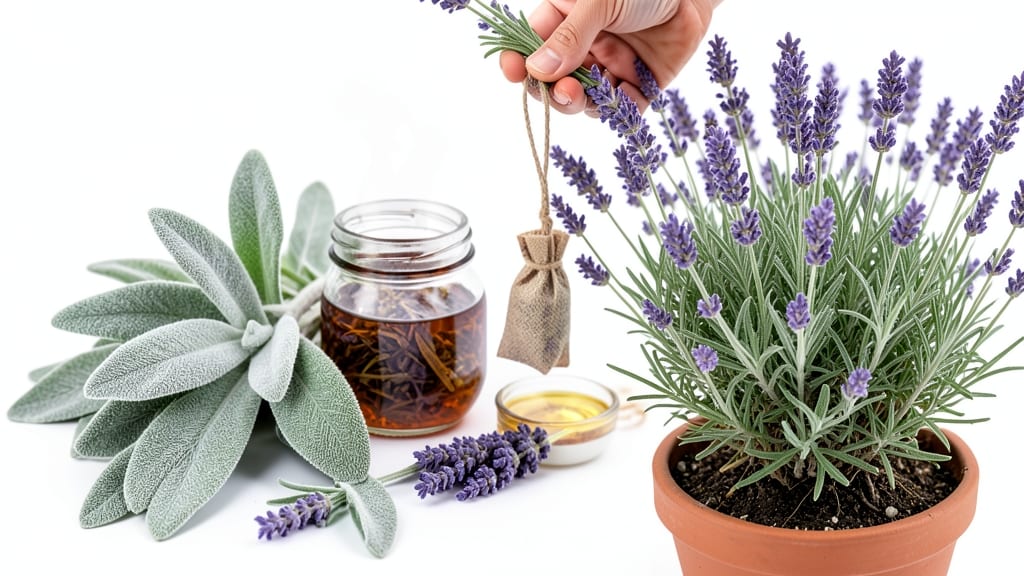
Your lavender leaves are a multi-purpose powerhouse that turns pruning into a harvest of wellness, flavor, and pest control—packed with lavender leaf benefits you might not know about. 🌿 I've spent years harvesting mine for everything from homemade sachets to pest-repelling sprays, and the secret isn't just in the blooms but in those slender, fragrant leaves too.
The benefits start with your senses: crushed lavender leaves make a calming tea that eases stress or a sleep-inducing pillow spray—just steep or infuse with oil. But that's just the beginning.
Those same leaves act as a natural insect repellent, keeping mosquitoes and moths away from your garden, and their strong scent even deters rodents from nibbling nearby plants. When you prune lavender correctly, you're not just shaping the plant—you're encouraging longer, more abundant growth of both flowers and leaves.
A single harvest can yield enough for homemade remedies, culinary seasoning, and garden protection, making every trim worthwhile. Just remember: never let pets ingest lavender, as it can be toxic to them. The best part? You don't need a lavender farm to benefit.
Even a single pot on your windowsill can produce enough leaves for DIY wellness products, kitchen seasoning, and garden pest control—all from the same plant you're already growing.
📚 In This Guide
- What you need
- Instructions
- Tips and common mistakes
- Wrapping up and next steps
What you need
- ● Sharp pruning shears or secateurs – Must be clean and sterilized (1 pair). Avoid dull blades to prevent tearing.
- ○ Gloves (optional but recommended) – Garden or work gloves to protect hands from prickly stems.
- ● Disinfectant (70% isopropyl alcohol or bleach solution) – For sterilizing tools (1 small bottle).
- ○ Pruning saw (for thick stems, optional) – Only needed if stems are thicker than ½ inch.
- ● Trash bag or compost bin – For discarded prunings (1-2 bags).
- ○ Water spray bottle (optional) – To mist leaves post-pruning (small 8 oz bottle).
- ● Timing – Prune right after flowering (late summer/early fall) or in early spring before new growth.
- ● Weather – Choose a dry, overcast day to avoid stressing the plant.
- ● Healthy lavender plant – Ensure your plant is at least 2-3 years old and shows no signs of disease.
How to prune lavender for healthier plants and prolonged blooms
Pruning lavender correctly transforms it from a finicky shrub into a thriving, fragrant powerhouse—here's my battle-tested method.
✂️ Step 1: Time Your Pruning for Maximum Impact
Prune lavender immediately after its first flush of blooms in early spring (March-April) when new growth begins. This encourages a second, often more abundant bloom cycle later in summer. Never prune in fall or winter—lavender needs its foliage to photosynthesize through cold months.
Look for woody stems that have lost their green bark—these are dead and should be removed completely. Healthy stems have green just under the bark. Cut back only the tough, leafless growth at the base, leaving the fresh green shoots intact. This ensures your plant retains its energy reserves.
✂️ Step 2: Use Proper Technique to Avoid Stressing the Plant
Always use clean, sharp pruners to make cuts at a 45-degree angle, about ¼ inch above a leaf node or bud. Never shear lavender with hedge clippers—this creates jagged cuts that invite disease and weakens the plant. I like to prune on a dry morning when the plant is fully hydrated but not dripping.
Remove no more than ⅓ of the plant's total growth in any single pruning session. Over-pruning stresses lavender, which is already drought-tolerant but not stress-tolerant. You'll know you're doing it right when you see fresh green growth emerging within 7-10 days of pruning.
☀️ Step 3: Shape for Airflow and Sun Exposure
Lavender thrives in full sun (6+ hours daily) and needs excellent airflow to prevent fungal issues. Step back and look at your plant—remove any branches growing toward the center of the plant, as these block sunlight and air circulation. Thin out crowded stems by cutting them back to the base.
For bushier growth, trim the outermost stems by about ⅓ to encourage branching. Avoid "topping" lavender by cutting the very top—this creates leggy growth and weakens the plant. Instead, focus on shaping from the outside in, like sculpting a rounded dome. This maintains the plant's natural form while maximizing bloom production.
💧 Step 4: Post-Pruning Care for Recovery
Water lavender deeply immediately after pruning to help it recover—this is the only time I water lavender heavily, as it's naturally drought-resistant. Soak the soil until water runs out the drainage holes, then let it dry completely before watering again. Overwatering after pruning causes root rot, which lavender cannot tolerate.
Apply a light layer of gravel around the base (but not touching the stems) to improve drainage and prevent soil-borne diseases. This is especially important in humid climates. You'll notice new growth emerging from the base within 2-3 weeks—this is your plant's way of telling you it's healing properly.
⏰ Step 5: Maintain Through the Growing Season
Deadhead spent blooms regularly throughout the summer by snipping off the flower stems just above the first set of leaves. This encourages more blooms and keeps your plant looking tidy. Never remove more than 10% of the plant's foliage in any single deadheading session.
In late summer, after the second bloom cycle, give lavender a light trim to remove any leggy growth or woody stems. This prepares the plant for winter dormancy. By following this schedule, you'll enjoy longer bloom seasons and a plant that lives for decades with minimal effort.
Tips & tricks for perfect lavender pruning
Common pitfalls—and how to sidestep every one—when shaping your lavender for maximum fragrance and vitality.
Timing is Everything: That early spring window (March-April) is non-negotiable for lavender. I've learned this the hard way—pruning too early means you're cutting back growth that's still photosynthesizing, while waiting too long risks losing that first flush of blooms entirely. The key is to act within 2-3 weeks after those first purple spikes appear. If you miss this window, wait until after the second bloom cycle in late summer instead.
Tool Selection Matters: Never, ever use hedge clippers on lavender—they create jagged wounds that take forever to heal and invite fungal infections. Invest in a pair of bypass pruners with sharp blades, and always sterilize them with rubbing alcohol before and after use. I also recommend cutting at that 45-degree angle—it increases the surface area for faster healing while preventing water from pooling at the cut site.
Visual Cues for Healthy Pruning: When examining stems, look for the green ring just under the bark—this is your indicator of healthy growth. Woody stems without this green ring are dead and should be removed completely down to the base. For the remaining stems, cut back only the tough, leafless growth at the base while leaving those fresh green shoots intact. This preserves the plant's energy reserves for new growth.
Recovery Checkpoints: After pruning, monitor your plant closely for signs of stress. New growth should appear within 7-10 days—if you don't see any after two weeks, you may have been too aggressive. The 2-3 week mark is when you'll see the real payoff: fresh green shoots emerging from the base, indicating successful recovery. In humid climates, that gravel layer around the base becomes even more critical—it prevents soil-borne diseases that can derail your plant's healing process.
Pro Tips for Lavender Leaf Benefits
- Common pitfalls—and how to sidestep every one—when shaping your lavender for maximum fragrance and vitality.
- Timing is Everything: That early spring window (March-April) is non-negotiable for lavender.
- Tool Selection Matters: Never, ever use hedge clippers on lavender—they create jagged wounds that take forever to heal and invite fungal infections.
Frequently asked questions
about lavender leaf benefits and pruning—because even the best gardeners need a little guidance!When is the best time to prune lavender for maximum leaf benefits?
Prune lavender right after flowering (late spring to early summer) to encourage new growth and preserve leaf health. Avoid heavy pruning in fall or winter, as lavender is dormant and more vulnerable to damage. A light trim in late winter (if needed) can help, but focus on post-bloom for the best results.
Can I use lavender leaves from my garden for cooking or tea?
Fresh lavender leaves (and buds) are edible and add a mild floral flavor to teas, desserts, and even savory dishes. Just ensure your plant is organic and pesticide-free. Start with small amounts—lavender can be overpowering. Dried leaves work best for culinary uses, as fresh ones can be bitter.
What should I do if my lavender leaves turn brown or crispy after pruning?
Brown or crispy leaves usually mean over-pruning or stress. Lavender is drought-tolerant but hates soggy roots—water deeply but infrequently after pruning. If the damage is minor, trim the affected stems back further to encourage new growth. For severe browning, check for pests or fungal issues (like powdery mildew) and treat accordingly.
Are there alternatives to lavender for pruning and leaf benefits?
If you’re looking for similar benefits (aromatic leaves, drought tolerance, and low maintenance), consider rosemary, thyme, or oregano. These herbs also thrive with minimal pruning and offer culinary or medicinal uses. However, lavender’s unique fragrance and long blooms make it a standout choice for gardens and pruning projects!
How much should I trim lavender leaves vs. stems?
For leaf benefits, focus on light trimming—never cut more than 1/3 of the plant’s height. Trim just above a leaf node (where new growth emerges) to encourage bushier foliage. Avoid "shearing" like hedges, as lavender grows best with a natural, open shape. Use sharp pruners or scissors for clean cuts!
Wrapping up and next steps
From soothing fragrances to longer blooms and stronger growth, lavender leaves are a gardener’s secret weapon! 🌿 Proper pruning not only enhances your plant’s health but also unlocks its full potential—whether you’re harvesting for tea, sachets, or simply admiring its beauty.
With the right tools, timing, and techniques, you’ll enjoy lush, vibrant lavender year after year.
Ready to transform your garden? Start small—pick one lavender bush this season, follow the steps you’ve learned, and watch the magic happen. Happy pruning! 🌸