
Succulent
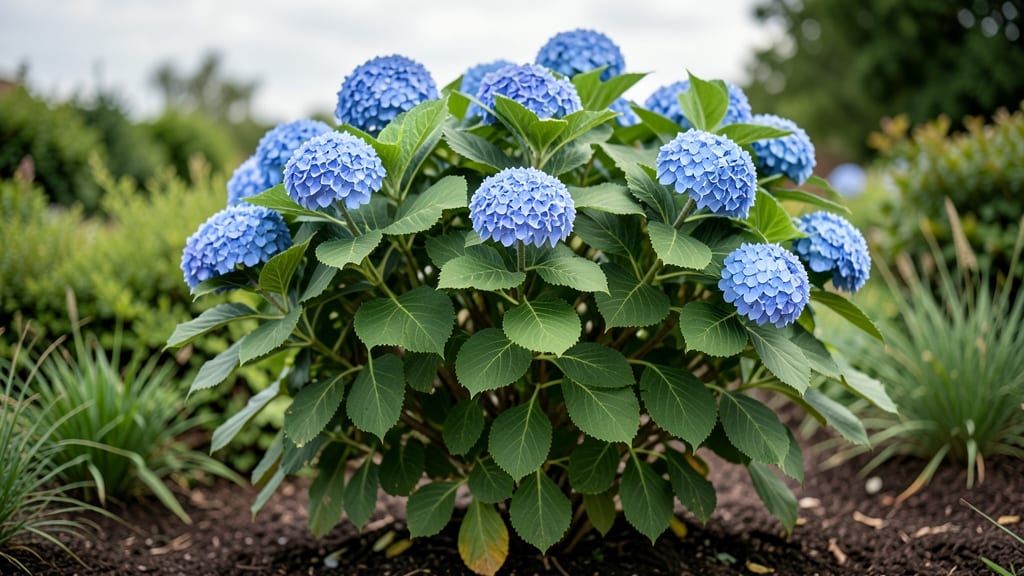
Growing oakleaf hydrangea blue blooms means transforming your shady corner into a jewel-toned paradise. 💙 These hydrangeas aren’t just about flowers—their oak-shaped leaves turn fiery red in fall, and their sturdy stems make them a low-maintenance star. The key to those signature blue blooms?
Soil pH, sunlight balance, and a little seasonal TLC that keeps them thriving year-round. Most gardeners overlook the soil prep, but oakleaf hydrangeas demand slightly acidic soil (pH 5.2-6.0) to produce their best blue hues.
Amend your garden bed with composted pine bark or sulfur-based amendments before planting, and mulch heavily in winter to protect roots from freeze-thaw cycles. Unlike their mophead cousins, these hydrangeas tolerate partial shade beautifully—making them perfect for woodland gardens or north-facing yards where other plants struggle.
By late summer, you’ll be rewarded with vibrant blue flower clusters that last weeks, followed by seed heads that add winter interest.
Prune lightly in late winter to shape the plant and remove dead wood, but avoid heavy cuts—oakleaf hydrangeas bloom on both old and new wood, so aggressive pruning risks sacrificing next year’s flowers. The secret to long-term success?
Consistency in watering (keep soil evenly moist but not soggy) and annual feeding with a balanced fertilizer in early spring. What makes these hydrangeas truly special is their four-season performance—lush foliage in spring, dramatic blooms in summer, fiery fall color, and even winter structure.
Whether you’re a beginner or a seasoned gardener, this shade-loving powerhouse delivers neighborhood-worthy curb appeal with minimal effort. Let’s get those roots settled in the right spot!
📚 In This Guide
- What you need
- Instructions
- Tips and common mistakes
- Wrapping up and next steps
What you need
- ● Oakleaf Hydrangea Blue Plants: 1-3 mature plants (3–5 ft tall at maturity) or 10+ seeds (if starting from scratch).
- ● Pro tip: Nursery-grown plants (containerized) ensure faster, healthier growth! 🌱
- ● Well-Draining Soil Mix: 50% high-quality garden soil + 30% compost + 20% perlite/orchid bark (for aeration).
- ● pH: Aim for acidic to neutral (5.5–6.5)—test with a soil kit if unsure! 🌡️
- ● Container or Planting Hole: In-ground: Dig a hole twice as wide and slightly shallower than the root ball.
- ● Container: 15–20 gallon pot (with drainage holes) per plant.
- ● Garden trowel or spade (for digging).
- ● Pruning shears (sterilized with rubbing alcohol).
- ● Watering can or hose with soft spray nozzle (avoid blasting roots!).
- ● Mulch (2–3 inches of pine bark or shredded leaves to retain moisture).
- ○ Optional but helpful: Soil pH tester (for precision).
- ● Slow-release fertilizer (10-10-10 or hydrangea-specific).
- ● Plant support stakes (if growing in windy areas).
- ● Location: Partial to full shade (3–6 hours of dappled light max). Avoid harsh afternoon sun! ☀️🚫
- ● Climate: Hardy in USDA Zones 5–9 (check your zone here).
- ● Timing: Spring/fall planting: Ideal for root establishment.
- ● Avoid winter planting in colder zones (risk of frost damage).
How to grow oakleaf hydrangea blue for stunning year-round color
Here's the method I've used to keep my oakleaf hydrangeas thriving in shade—producing those coveted blue blooms and fiery fall foliage every year.
🪴 Step 1: Choose the Perfect Planting Location and Soil
Oakleaf hydrangeas need partial shade—at least 4-6 hours of dappled sunlight daily, with protection from harsh afternoon sun. I always plant mine where they receive morning sun and afternoon shade from nearby trees. The roots will spread wide, so give them at least 6 feet of space in all directions.
These plants adore rich, acidic soil with good drainage. Before planting, amend your native soil with 2-3 inches of organic compost and a handful of peat moss per planting hole. The ideal soil pH is between 5.0 and 6.0—you can test this with a simple soil kit. If your soil tests higher, mix in sulfur according to package instructions to lower the pH gradually.
🌱 Step 2: Plant at the Right Time and Depth
Spring or early fall are the best times to plant oakleaf hydrangeas. I prefer late spring because it gives the roots time to establish before summer heat sets in. Dig a hole twice as wide as the root ball but only as deep—the top of the root ball should sit 1 inch below soil level when finished.
Gently remove the plant from its container and loosen any circling roots with your fingers. Place it in the hole, backfill with native soil mixed with compost, and water deeply to settle everything. Mulch with 2-3 inches of wood chips, keeping the mulch 6 inches away from the stem to prevent rot. This helps retain moisture and regulates soil temperature.
☀️ Step 3: Water Consistently and Fertilize for Blue Blooms
Oakleaf hydrangeas need 1-1.5 inches of water weekly, either from rain or irrigation. I water deeply 2-3 times per week in dry spells, always directing the hose at the base of the plant to avoid wetting the foliage (which can cause fungal issues). You'll know you're watering enough when the top 2-3 inches of soil feel moist but not soggy.
For those signature blue blooms, acidify the soil by adding hydrangea-specific fertilizer in early spring and again after blooming. I also sprinkle cottonseed meal around the base in spring—it slowly releases nitrogen and lowers soil pH over time. Avoid high-phosphorus fertilizers, which encourage more foliage than flowers.
✂️ Step 4: Prune Strategically for Health and Beauty
Prune your oakleaf hydrangea right after blooming in late spring or early summer. Remove dead or crossing branches first, then cut back last year's stems by about one-third to encourage new growth. Never prune into old wood—this plant blooms on new and old wood, so avoid heavy cuts that remove next year's flower buds.
In late winter, if you notice weak or leggy growth, you can lightly trim back some stems to shape the plant. I avoid heavy pruning in winter because it stresses the plant before spring growth begins. Always use clean, sharp pruners and make cuts just above a leaf node or outward-facing bud to encourage healthy regrowth.
🍂 Step 5: Prepare for Winter and Encourage Year-Round Interest
Oakleaf hydrangeas are surprisingly cold-hardy, but their delicate stems can break under heavy snow or ice. I wrap the center of the plant with burlap in late fall to protect the buds, leaving the outer branches exposed for natural air circulation. Remove the wrap in early spring once new growth appears.
The real magic happens in fall when the leaves turn deep red, purple, and orange. To enhance this color, I reduce nitrogen fertilizer in late summer and ensure the plant gets even moisture. The contrast between the blue summer blooms and fall foliage is what makes this plant a garden standout. Mulch heavily in late fall to insulate the roots through winter.
Tips & tricks for growing stunning oakleaf hydrangeas
These little details make all the difference between good and showstopping oakleaf hydrangeas that steal the show year-round.
Location is Everything: That 4-6 hours of dappled sunlight is non-negotiable for those signature blue blooms. I've learned the hard way—planting mine too close to the house cut their afternoon sun short, and the flowers turned pale and sparse. Look for spots where morning sun kisses the leaves but afternoon shade protects them from harsh rays. The 6-foot spacing recommendation isn't just about roots—it gives each plant room to develop that dramatic fall foliage without competing for nutrients.
Soil Science Secrets: The pH test is your best friend here. I've seen gardeners swear by their "perfect" composted soil only to be disappointed when their hydrangeas turned pink. That 5.0-6.0 range is critical for blue blooms, and sulfur is your secret weapon for adjusting pH. For extra insurance, I mix in a handful of pine needles when amending—nature's slow-release acidifier that mimics their woodland habitat. The peat moss isn't just about acidity though; it improves that all-important drainage while keeping moisture levels just right.
Watering Wisdom: Those 1-1.5 inches weekly might seem like a lot, but oakleaf hydrangeas are thirsty plants—especially when they're pushing out new growth. I've found that watering deeply 2-3 times per week works better than daily shallow watering. The key is keeping those top 2-3 inches moist but never soggy. A good test is to stick your finger in—it should feel like a wrung-out sponge. And here's a trick I picked up: water in the morning so the foliage has all day to dry, which prevents those pesky fungal issues that can ruin your plant's fall color potential.
Pruning Precision: That one-third cut back on last year's stems in Step 4 is where the magic happens for next year's blooms. I always mark the cuts with a piece of tape before pruning—this helps me visualize where to stop and prevents those accidental heavy cuts that can remove next year's flower buds. For winter shaping, I only trim back about 10% of the plant maximum, focusing on removing dead wood and shaping the overall form. The outward-facing bud rule is crucial—it ensures new growth will face outward for that lush, full look.
Pro Tips for Oakleaf Hydrangea Blue
- These little details make all the difference between good and showstopping oakleaf hydrangeas that steal the show year-round.
- Location is Everything: That 4-6 hours of dappled sunlight is non-negotiable for those signature blue blooms.
- Soil Science Secrets: The pH test is your best friend here.
Frequently asked questions
Got questions about keeping your oakleaf hydrangea blue thriving? We’ve got answers! Here are some of the most common queries from gardeners—plus quick tips to keep those stunning blue blooms coming year after year.
Why isn’t my oakleaf hydrangea staying blue?
Oakleaf hydrangeas (Hydrangea quercifolia) are famous for their blue blooms, but color shifts happen! Blue hues appear in acidic soil (pH 5.0–5.5). Test your soil—if it’s alkaline, amend with sulfur, peat moss, or coffee grounds to acidify it. Pro tip: Blue blooms love shade too! Too much sun can fade colors, so plant in partial shade (morning sun, afternoon shade works best).
When is the best time to prune my oakleaf hydrangea for blue blooms?
Prune right after flowering (late summer/early fall) to encourage next year’s blooms. Avoid pruning in winter or early spring, as this can cut off next season’s flower buds. For established plants, trim 1/3 of the oldest stems to promote new growth and vibrant blue flowers. Pro tip: Use clean, sharp shears to prevent disease!
Can I grow oakleaf hydrangea in containers for blue flowers?
Oakleaf hydrangeas thrive in large containers (15+ gallons) with well-draining soil and acidic pH. Use a mix of peat moss, perlite, and compost. Repot every 2–3 years and fertilize monthly in spring/summer with an acid-loving plant food. Pro tip: Move containers indoors if temps drop below 10°F (-12°C) to protect roots!
What pests or diseases should I watch for with oakleaf hydrangeas?
Common issues include:
- Leaf spot fungus: Caused by wet foliage. Solution: Prune infected leaves and improve airflow.
- Aphids or scale: Suck plant sap. Solution: Spray with neem oil or introduce ladybugs.
- Powdery mildew: Thrives in humid conditions. Solution: Apply baking soda spray (1 tsp per quart of water).
Are there blue alternatives to oakleaf hydrangeas?
If oakleaf hydrangeas aren’t your style, try these blue-blooming shade lovers:
- Bigleaf hydrangea (Hydrangea macrophylla): Classic blue blooms, loves acidic soil.
- Coral bells (Heuchera): Purple-blue foliage, drought-tolerant.
- Japanese anemone (Anemone × hybrida): Soft blue-pink flowers, thrives in shade.
Wrapping up and next steps
Transforming your shade garden with Oakleaf Hydrangea 'Blue' is a rewarding journey that blends beauty with resilience! 🌿 This stunning plant thrives with minimal fuss, offering year-round interest through its vibrant foliage, delicate blooms, and striking fall colors.
Whether you're a seasoned gardener or just starting out, its adaptability makes it a perfect addition to any garden.
Now that you’re armed with the year-round vibrancy secrets, it’s time to roll up your sleeves and get planting! Start by selecting the perfect spot, prepping the soil, and giving your hydrangea the love it deserves. Watch it flourish—your garden will thank you!