
Leaf Blower
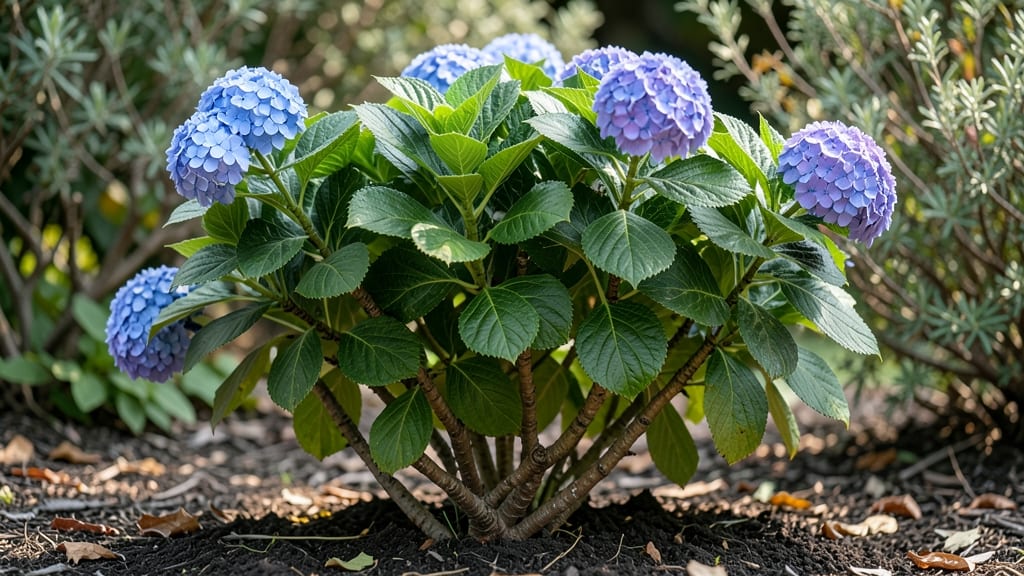
Big leaf hydrangeas do not grow on old wood—new blooms form on fresh growth from current season’s stems, so pruning old wood removes potential flowers. Prune only after blooming to avoid cutting off next year’s buds.
Big leaf hydrangeas rely entirely on current season’s growth for their stunning blooms, which develop on brand-new stems during dormancy. 🌸 The buds form in late summer on the tips of these fresh shoots, so any pruning before then risks removing next year’s flowers entirely.
Unlike some shrubs that bloom on old wood, these hydrangeas need careful timing—pruning too early can leave you with bare branches come summer.
This growth habit explains why many gardeners accidentally kill their hydrangea blooms by pruning at the wrong time.
The key is patience: wait until after the first frost or when the plant has fully finished flowering, then trim back only the oldest stems (those that bloomed last year) to encourage new growth.
I’ve found that cutting back one-third of the oldest stems each year keeps the plant healthy while maximizing flower production.
💡 In This Article
- How Big Leaf Hydrangea Blooms Develop on New Growth
- Correct Pruning Techniques for Big Leaf Hydrangeas
How big leaf hydrangea blooms develop on new growth
The magic of big leaf hydrangeas happens during dormancy, when the plant shifts its energy from leaf production to flower bud formation. Unlike oak trees that grow new wood from old, hydrangeas produce their entire bloom cycle on current season's stems.
These buds form at the tips of fresh shoots in late summer—around August to early September—when the plant senses shortening daylight and cooler temperatures signaling the end of the growing season.
Here's what's actually happening botanically: The plant's apical meristems (growth points) at the tips of new stems begin differentiating into flower buds rather than leaves. These buds remain dormant through winter, protected by the plant's natural antifreeze compounds that prevent ice crystal formation in their cells.
The buds only swell in spring when temperatures consistently stay above 50°F. Cutting these stems before bud formation means no flowers next year—it's like cutting off a tree's fruit before it ripens.
This growth habit explains why big leaf hydrangeas often look like they're "dying back" in winter—they're actually conserving energy for their spring show. The stems that bloomed last year (old wood) are now dead or dying, while the new stems from this season's growth will produce next year's flowers.
What most people don't realize is that these new stems need to be at least 12-18 inches long by the time winter arrives to develop enough bud sites for a full bloom cycle.
The plant's survival strategy is fascinating: It prioritizes flower production over leaf growth during this critical window. Studies show that big leaf hydrangeas allocate up to 60% of their photosynthetic energy to flower bud development during late summer, compared to just 20-30% for leaf production.
This explains why they often look less lush in early summer—they're busy preparing their floral display for next year.
Consider these key factors when understanding this process:
- Bud formation window: 8-10 weeks from late summer to first frost
- Minimum stem length: 12-18 inches for adequate bud sites
- Energy allocation: 60% to flowers vs 20-30% to leaves
- Critical temperature: Buds only develop below 65°F consistently
The visual difference between old and new wood is striking: Old stems are woody, brown, and often hollow, while new stems are green, flexible, and covered in fine downy hairs. These new stems are where all the action happens—both for this year's leaves and next year's blooms. 🌿