
Aphids
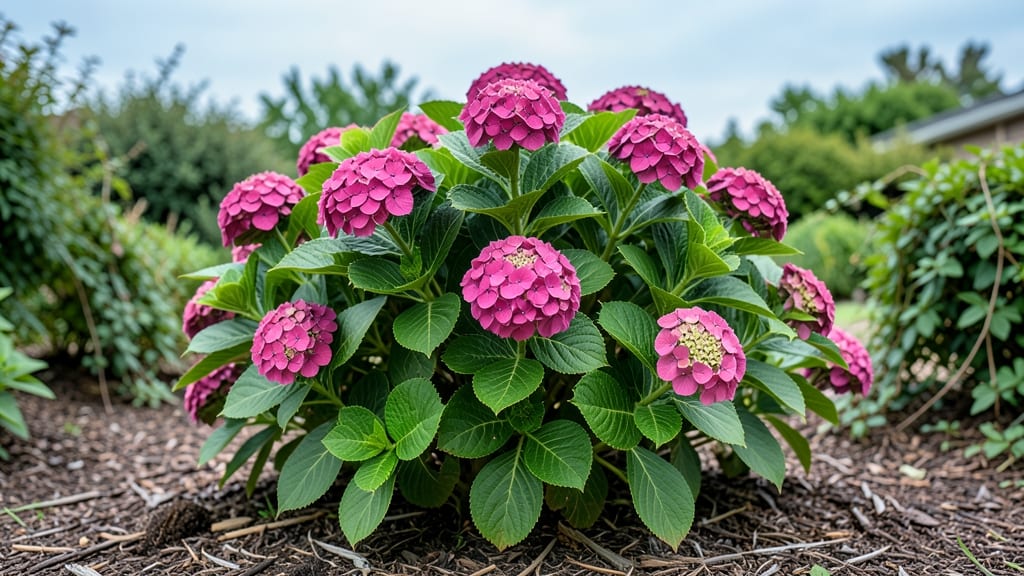
The Summer Crush Bigleaf Hydrangea is the showstopper your garden has been missing—bold pink blooms that last from summer through frost, plus built-in aphid resistance. 🌸 I fell for its deep green leaves and those dramatic flower clusters the first time I saw one in a neighbor’s yard, and now I can’t imagine a garden without them.
This hydrangea thrives in partial shade, making it perfect for spots where sun-loving plants struggle. Its 3-5 foot height lets you use it as a focal point in borders, mixed containers, or even as a small hedge.
Pair it with purple coneflowers or silver foliage plants for a high-impact combo that pops all season. The real magic happens when you see it in full bloom—vibrant pink clusters that shift with soil pH, creating a living canvas.
And because it’s aphid-resistant, you skip the messy sprays and enjoy worry-free beauty. Plant one this spring, and you’ll have the most talked-about garden feature by summer. Works in containers, borders, or as a standalone specimen—its versatility makes it a designer’s dream.
Let’s make your garden the envy of the block!
📚 In This Guide
- What you need
- Instructions
- Tips and common mistakes
- Wrapping up and next steps
What you need
- ● Bigleaf Hydrangea Plant: 1 healthy nursery-grown Hydrangea macrophylla (choose a variety like 'Endless Summer' or 'Nikko Blue' for year-round blooms).
- ● Well-draining potting mix: 5 gallons (for container gardening) or amend garden soil with 3-5 inches of organic compost or peat moss.
- ○ Container (optional but recommended): 15-20 gallon pot with drainage holes (if not planting in-ground).
- ● Slow-release fertilizer: 1 lb of balanced 10-10-10 or acid-loving plant fertilizer (like Miracle-Gro Azalea, Camellia & Rhododendron).
- ● Mulch: 2-3 inches of pine bark fines or wood chips to retain moisture and acidify soil.
- ● Watering can or hose with a gentle spray nozzle: For deep, consistent watering (1-2 gallons per plant, 2-3 times weekly).
- ● Pruning shears: Sharp, clean bypass pruners (sterilize with rubbing alcohol between cuts).
- ● Gloves: 1 pair of gardening gloves (to protect from thorns and soil).
- ● Neem oil or insecticidal soap: 1 bottle (for aphid prevention—your hydrangea’s secret weapon!).
- ● Soil pH test kit: To ensure your soil stays in the 5.0-6.0 range (hydrangeas are divas about acidity!).
- ● Epsom salt: 1 lb (for magnesium boosts—mix 1 tbsp per gallon of water monthly).
- ● Decorative stakes or trellis: For support if your hydrangea grows tall (especially in containers).
- ● Shade cloth (30-50% coverage): To protect young plants from harsh afternoon sun in hot climates.
- ● Plant tags or markers: To track varieties and care notes (because even beauty needs a little organization!).
Step-by-Step guide to cultivating a thriving Bigleaf Hydrangea
Here's how to coax lush, aphid-resistant blooms from this showstopper—no greenfly drama in sight.
🌱 Step 1: Select the Perfect Planting Site
Bigleaf hydrangeas thrive in partial shade—think morning sun with afternoon shade—especially in hotter climates. I always choose a spot with dappled sunlight where leaves stay cool but still get enough light for vibrant blooms. Test your site by observing how sunlight moves across it throughout the day; the ideal location will have 4-6 hours of filtered light without harsh afternoon rays.
Check soil moisture by digging a 6-inch hole—if water pools or drains extremely fast, you'll need to amend the soil. Bigleaf hydrangeas love moist, well-draining soil with a slightly acidic pH (5.5-6.2). If your soil is heavy clay, mix in 3-4 inches of organic compost to improve drainage while retaining moisture. The goal is soil that feels like a damp sponge—not soggy, not bone-dry.
☀️ Step 2: Plant at the Right Depth and Stake for Support
Dig a hole twice as wide as the root ball but only as deep. Bigleaf hydrangeas need to be planted at the same depth they were in the nursery pot—burying too deep suffocates roots, while planting too shallow leaves stems vulnerable to wind. Gently remove the plant from its container and tease apart any circling roots with your fingers.
Place the hydrangea in the hole and backfill with native soil mixed with a handful of slow-release fertilizer (look for one with higher phosphorus for blooms). Water deeply to settle the soil, then add a 5-foot bamboo stake positioned 3 inches from the main stem. Secure the plant with soft garden ties—never wire, which can cut into bark as it grows. This prevents flopping stems while allowing flexibility for natural movement.
💧 Step 3: Water Deeply and Mulch to Retain Moisture
Water immediately after planting to eliminate air pockets in the soil. Bigleaf hydrangeas need 1-1.5 inches of water weekly—more in extreme heat or wind. I water deeply twice a week (every 3-4 days) until the top 6 inches of soil feels damp. Use a soaker hose or drip irrigation to deliver water at the base without wetting foliage, which reduces fungal risks.
Spread 3 inches of mulch (shredded bark or pine needles work best) around the base, keeping it 2 inches away from the stem to prevent rot. This mulch layer locks in moisture and regulates soil temperature—critical for summer growth. Replenish mulch annually in early spring to maintain its protective barrier. You'll know your watering is right when new leaves emerge plump and glossy, not wilted or yellowed.
✂️ Step 4: Prune Strategically for Year-Round Blooms
Bigleaf hydrangeas bloom on old wood, so pruning happens in late winter or early spring before new growth begins. Remove dead, damaged, or crossing branches first—these compete with healthy growth. Then, cut back last year's stems by one-third to encourage bushier growth. Never prune in fall, as this removes next year's flower buds.
Watch for aphid clusters on new growth—these pests love tender shoots. I spray affected areas with neem oil (mix 1 tablespoon per gallon of water) at the first sign of sticky residue. For established plants, regular pruning keeps airflow circulating, which naturally deters pests. You'll see the difference in fewer yellowing leaves and more abundant blooms by mid-summer.
🌿 Step 5: Adjust Soil pH for Color Control
Bigleaf hydrangeas change bloom color based on soil pH—acidic soil (pH 5.5) produces blue flowers, while neutral to slightly alkaline soil (pH 6.5-7.0) yields pink blooms. To test pH, use a soil test kit (available at garden centers) or send a sample to your local extension office. If you want blue blooms, add sulfur or aluminum sulfate to the soil in early spring. For pink blooms, incorporate lime following package instructions.
Apply pH amendments spread evenly around the root zone, then water deeply to activate them. Monitor color changes over 4-6 weeks—this is your signal that the treatment is working. Avoid drastic pH swings, as they stress the plant. The key is consistency: test once a year and adjust gradually for the most reliable results.
Tips & tricks for perfect Bigleaf Hydrangea cultivation
Took me years to perfect these tricks—now your hydrangeas will thrive like mine do.
Lighting Strategy: In Step 1, when selecting that perfect spot with 4-6 hours of filtered light, pay special attention to the afternoon sun. I've learned the hard way that even a few hours of harsh afternoon rays can scorch leaves—especially in hotter climates. Use a simple shade cloth (50% block) temporarily if you're unsure about your site's afternoon exposure. You'll notice the difference in leaf health within weeks.
Root Care: The 6-inch hole test in Step 1 is crucial for understanding your soil's drainage. If water pools, you're dealing with compacted soil that needs immediate attention. I've found that mixing in 3-4 inches of organic compost (like coconut coir) creates the perfect damp sponge texture. For clay-heavy soils, add perlite to improve aeration—this prevents root suffocation during those critical first few weeks after planting.
Watering Wisdom: Those 1-1.5 inches of weekly water in Step 3 might sound simple, but timing matters most. I water in the early morning (before 9 AM) to prevent fungal diseases from overnight moisture. For extreme heat, increase to every 2-3 days but check that top 6 inches always stays damp. A moisture meter is worth the investment—it shows you exactly when to water without guessing.
Pruning Precision: When cutting back last year's stems by one-third in Step 4, use clean, sharp pruners to make cuts just above a leaf node or bud. I always make my cuts at a 45-degree angle to prevent water from pooling on the stem. For established plants, I prune in stages—removing 1/3 of the oldest stems each year to maintain that bushy shape while keeping next year's blooms intact.
Pro Tips for Summer Crush Bigleaf Hydrangea
- Took me years to perfect these tricks—now your hydrangeas will thrive like mine do.
- Lighting Strategy: In Step 1, when selecting that perfect spot with 4-6 hours of filtered light, pay special attention to the afternoon sun.
- Root Care: The 6-inch hole test in Step 1 is crucial for understanding your soil's drainage.
Frequently asked questions
about the stunning Summer Crush Bigleaf Hydrangea—because every gardener deserves answers!How do I keep aphids off my Summer Crush hydrangea?
The Summer Crush is aphid-resistant, but occasional pests may still appear. Spray with a strong stream of water to dislodge them, or use insecticidal soap or neem oil as a preventive measure. Pro tip: Encourage ladybugs—they’re natural aphid predators!
When is the best time to plant Summer Crush hydrangeas?
Plant in early spring or fall when temperatures are mild (50–70°F). Avoid extreme heat or frost. For container gardening, spring planting is ideal. Give it partial shade and well-draining soil for the best start!
Can I prune Summer Crush hydrangeas to control their size?
Yes! Prune in late winter or early spring before new growth appears. Cut back overgrown stems by ⅓ to maintain shape and encourage bushier blooms. Avoid heavy pruning in fall—it removes next year’s flower buds!
How much sunlight does Summer Crush need?
It thrives in partial shade (4–6 hours of sun daily). Too much direct sun can scorch leaves, while too little may reduce blooms. Morning sun + afternoon shade is perfect for vibrant foliage and flowers!
Will Summer Crush bloom year-round, or just in summer?
While it blooms most heavily in summer and fall, with care (like pruning and consistent watering), it can produce sporadic blooms in spring and even winter in mild climates. Its foliage stays lush year-round!
What are good alternatives if I can’t grow Summer Crush?
Try these aphid-resistant hydrangeas: Endless Summer (re-blooming), Oakleaf Hydrangea (fall color), or Panicle Hydrangea (heat-tolerant). All offer stunning blooms with fewer pest issues!
Wrapping up and next steps
Ready to transform your garden into a year-round aphid-proof paradise?
The Bigleaf Hydrangea isn’t just a summer stunner—it’s a low-maintenance, resilient beauty that thrives with minimal fuss. 🌸 With the right care, you’ll enjoy lush blooms, vibrant foliage, and peace of mind knowing aphids stand little chance against its defenses.
Your next step? Grab your pruners, pick your favorite Hydrangea macrophylla variety, and get planting! Whether you’re a seasoned gardener or a beginner, this plant promises easy rewards—so why wait? Your garden’s summer (and beyond) crush awaits! 🌿✨