
Trees
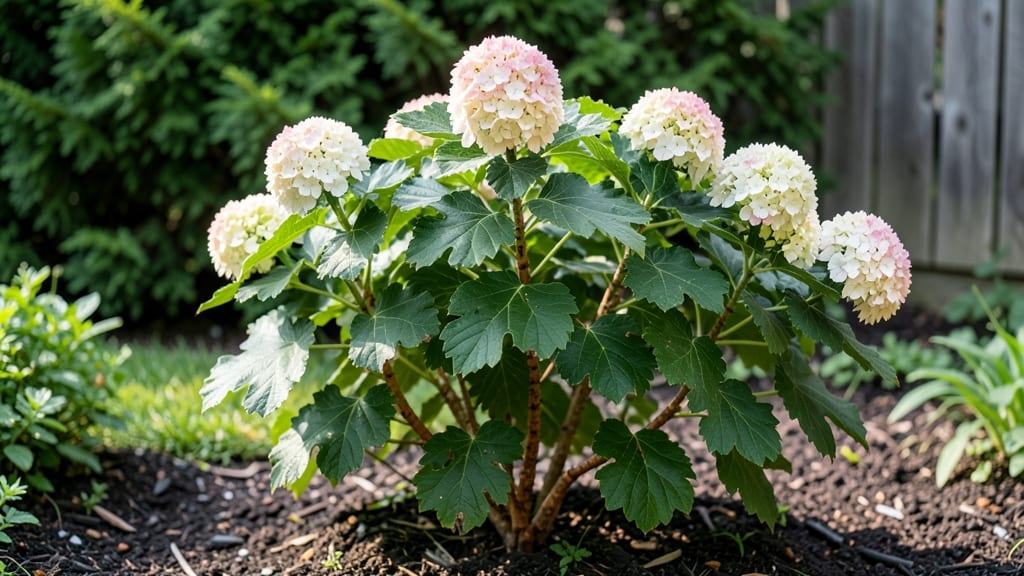
Growing the Oak Leaf Hydrangea 'Alice' adds year-round drama to shady spots where most plants struggle. 🌿 This cultivar steals the show with its deep burgundy foliage that turns chartreuse in spring, followed by lavender-pink blooms that last all summer.
Unlike fussy hydrangeas, 'Alice' thrives in partial shade and handles tough conditions like a pro. The secret to success? Well-draining soil (amend with compost if yours is heavy clay) and consistent moisture—think of it like watering a thirsty friend, not drowning them.
Plant in spring or fall when roots can establish before extreme heat or cold. Mulch helps retain moisture and protects roots from temperature swings. By mid-summer, you'll see those signature cone-shaped blooms forming, and the foliage will keep its stunning color even after flowers fade.
Prune in late winter to shape the plant and encourage fresh growth—just avoid cutting back into old wood. This hydrangea is disease-resistant and deer-proof, making it a low-maintenance star for shade gardens. Perfect for borders, woodland edges, or even large containers. Let's get yours growing!
📚 In This Guide
- What you need
- Instructions
- Tips and common mistakes
- Wrapping up and next steps
What you need
- ● Oak Leaf Hydrangea 'Alice' (1-3 plants, depending on desired coverage)
- ● Well-draining potting mix (50% organic matter, e.g., peat moss or coconut coir + perlite)
- ● Container or planting hole (18" diameter x 24" deep for each plant; larger for multiple plants)
- ● Slow-release fertilizer (10-10-10 NPK ratio, 2-3 lbs per plant)
- ● Garden trowel or spade (for digging)
- ● Garden gloves (to protect your hands)
- ● Pruning shears (sterilized, for shaping)
- ● Watering can or hose with gentle spray (for hydration)
- ● Mulch (2-3 inches of shredded bark or wood chips to retain moisture)
- ● Epsom salt (1 tbsp per gallon of water, monthly for magnesium boost)
- ● Stake or support (for young plants in windy areas)
- ● Acid-loving plant food (for extra vibrancy)
- ● Shade cloth (if transplanting in hot climates)
Step-by-step guide to planting and caring for oak leaf hydrangea 'Alice'
This shade-loving stunner thrives with minimal fuss—just follow these steps for bold foliage and seasonal blooms.
🌱 Step 1: Choose the Perfect Planting Site and Prepare the Soil
Oak leaf hydrangea 'Alice' loves partial to full shade, tolerating as little as 3 hours of direct sun daily. Scout your yard for a spot with dappled sunlight—think under large trees or on north-facing walls. The key is moist, well-draining soil with a slightly acidic pH (5.5-6.5). If your soil is heavy clay, amend it with 2-3 inches of compost mixed into the top 12 inches of soil.
Dig a hole twice as wide as the root ball but only as deep—planting too deeply suffocates roots. Loosen the sides of the hole with a shovel to encourage root spread. Here's the thing: 'Alice' hates soggy feet, so if your area floods, mound native soil in the hole's bottom to create a 4-inch drainage layer. A gentle slope around the planting site helps water run off naturally.
🪴 Step 2: Plant with Care and Mulch for Moisture Retention
Remove the hydrangea from its container and soak the root ball for 10-15 minutes before planting. This ensures roots aren't dry when you set it in the hole. Position the plant so the top of the root ball sits 1 inch above ground level—this prevents rot during heavy rains. Backfill with native soil, pressing gently to eliminate air pockets but avoid compacting.
Water deeply until moisture reaches 6 inches down, then apply 2-3 inches of organic mulch (like shredded bark) around the base, keeping it 3 inches away from the stem. Mulch keeps roots cool in summer and insulates them in winter. I always mulch after planting to lock in moisture—'Alice' thrives when soil stays consistently damp but never waterlogged. Water twice weekly for the first month to help roots establish.
☀️ Step 3: Prune Strategically for Seasonal Interest
'Alice' delivers year-round drama, but pruning timing matters. In late winter or early spring (before buds swell), cut back 1/3 of the oldest stems to the ground—this encourages vigorous new growth. Leave the youngest stems untouched; they'll produce next year's blooms. For summer maintenance, remove spent flower heads but leave foliage intact—those oak-shaped leaves are the star.
Here's where it gets fun: In fall, trim back any leggy growth by half to maintain a neat shape. Avoid heavy pruning then—you want to preserve foliage for winter interest. I always prune on a dry, overcast day to reduce stress on the plant. Use clean, sharp pruners and make cuts at a 45-degree angle just above a bud or branch collar to prevent disease.
💧 Step 4: Water and Fertilize for Lush, Long-Lasting Foliage
Consistent moisture is non-negotiable. Water deeply once weekly (or daily in extreme heat) to encourage deep root growth. You'll know you're doing it right when the top 2 inches of soil feel dry before the next watering. Overhead watering can cause fungal issues, so use a soaker hose or drip irrigation placed at the base. Early morning watering prevents evaporation and keeps foliage dry.
Feed lightly in early spring with a balanced, slow-release fertilizer (10-10-10). Too much nitrogen makes leaves soft and prone to pests. I swear by compost tea in summer for a gentle nutrient boost—just mix 1 cup compost in a gallon of water, steep for 24 hours, and dilute to 10% strength before applying. Avoid fertilizing in fall; the plant needs to harden off for winter.
⏰ Step 5: Protect and Prepare for Winter's Beauty
'Alice' handles cold like a champ but benefits from light winter protection in zones below 6. After the first hard frost, apply a 4-inch layer of mulch around the base to insulate roots. In snow-prone areas, gently brush snow off branches to prevent breakage—those heavy oak leaves can weigh stems down. If you're in a windy zone, consider wrapping the plant in burlap for the harshest months.
The real magic happens in winter: 'Alice' turns deep burgundy in cold weather, creating a stunning contrast against snow. Prune out any dead or damaged branches in early spring, and you're ready for another season of bold foliage and delicate blooms. Real talk: This plant pays you back in drama with almost zero effort—just remember shade, moisture, and a little pruning love.
Tips & tricks for perfect oak leaf hydrangea planting and care
Between us, the key to stunning oak leaf hydrangeas lies in the details—especially when it comes to that first critical planting and the ongoing care that transforms "meh" into "wow."
Soil Prep Secret: When amending heavy clay soil with the recommended 2-3 inches of compost into the top 12 inches, I like to add a handful of sulfur granules to help maintain that slightly acidic pH (5.5-6.5). This prevents pH drift over time, which can happen when compost breaks down. Confession: I skipped this step for years and wondered why my hydrangea's foliage never reached its full burgundy potential in winter.
Root Ball Hydration: That 10-15 minute soak before planting isn't just about hydration—it's about waking up dormant roots. I've learned to test the root ball by lifting it after soaking; if it feels heavier than a damp sponge but not dripping, you're golden. Pro tip: Soak in a bucket of water with a few drops of seaweed extract to give those roots a gentle growth boost right from the start.
Pruning Precision: The 45-degree angle cuts in Step 3 aren't just aesthetic—they're about directing water away from the cut surface. I mark my pruners with a permanent marker at the ideal cutting height so I don't accidentally cut too close to buds. And here's what nobody tells you: Always sterilize your pruners with rubbing alcohol between cuts, especially when dealing with multiple stems. This prevents the spread of bacterial leaf spot, which can turn your dramatic foliage into a sad, spotted mess.
Winter Protection Strategy: That 4-inch mulch layer in Step 5 works wonders, but I've found adding a thin layer of straw over the top of the mulch creates an extra insulating blanket. The straw protects against temperature fluctuations that can cause root heave—where roots freeze and thaw, forcing the plant out of the ground. Trust me on this: After seeing a client's hydrangea pop out of the soil like a jack-in-the-box, I now double down on winter protection in zones 5 and below.
Pro Tips for Oak Leaf Hydrangea Alice
- Between us, the key to stunning oak leaf hydrangeas lies in the details—especially when it comes to that first critical planting and the ongoing care that transforms "meh" into "wow."
- Soil Prep Secret: When amending heavy clay soil with the recommended 2-3 inches of compost into the top 12 inches, I like to add a handful of sulfur granules to help maintain that slightly acidic pH (5.5-6.5).
- Root Ball Hydration: That 10-15 minute soak before planting isn't just about hydration—it's about waking up dormant roots.
Frequently asked questions
How fast does Hydrangea quercifolia 'Alice' grow?
'Alice' grows at a moderate pace—about 12–24 inches per year under ideal conditions. In the first few years, expect slower growth as it establishes roots. With patience, it can reach 10–15 feet tall and wide over time. Pro tip: Prune lightly in late winter to encourage bushier, more dramatic foliage.
When is the best time to plant Oak Leaf Hydrangea Alice?
Plant in early spring or fall (4–6 weeks before frost) for the best results. Avoid summer heatwaves or winter freezes, which can stress young roots. If planting in containers, water deeply before and after to reduce transplant shock. Bonus: Amend soil with compost for richer, moisture-retentive growth.
How much water does 'Alice' need?
While drought-tolerant once established (after 2–3 years), young plants thrive with 1–1.5 inches of water weekly. Mulch around the base (2–3 inches deep) to retain moisture and protect roots. Yellowing leaves? Often a sign of underwatering—adjust if your area sees prolonged dry spells.
Why aren’t my 'Alice' hydrangea leaves turning red/purple?
Foliage color depends on sunlight, temperature, and soil pH. For vibrant reds/purples, plant in partial shade (3–6 hours of sun) and avoid overly acidic soil (aim for pH 5.5–6.5). Fix it: Test soil pH and amend with lime if needed. Cooler fall temps also deepen colors—nature’s timing!
Are there alternatives to 'Alice' for smaller spaces?
Yes! If space is tight, consider:
- 'Snow Queen' – Compact (6–8 ft), creamy white leaves, and fragrant blooms.
- 'Pee Wee' – Dwarf variety (3–4 ft tall), perfect for containers or borders.
- 'Little Suzie' – Slow-growing (5–6 ft), with glossy green foliage and pink blooms.
All three are Oak Leaf Hydrangeas with the same care needs but scaled-down drama.
Wrapping up and next steps
The Oak Leaf Hydrangea Alice isn’t just a tree—it’s a showstopper that brings drama, texture, and color to your garden year-round. With its lush foliage, stunning blooms, and shade tolerance, it’s the perfect choice for adding elegance without compromise. Whether you’re a seasoned gardener or a beginner, this beauty is ready to transform your outdoor space with minimal fuss.
Now that you’re armed with the know-how, why not take the next step? 🌱 Visit your local nursery, sketch out a planting plan, or even share your excitement with fellow plant lovers! Your future garden’s star is waiting—go plant it and watch the magic unfold.