
Pests
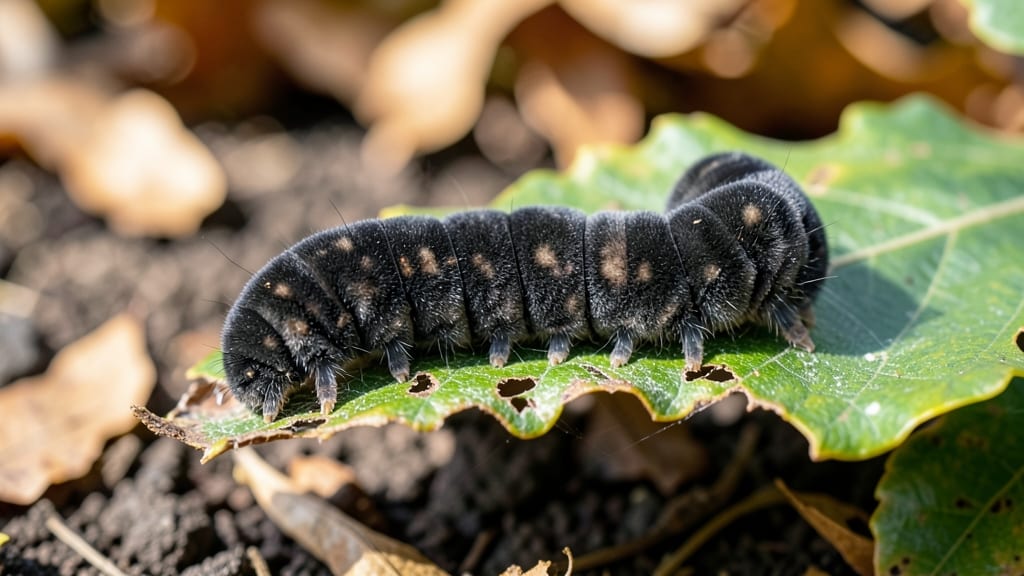
Oak leaf caterpillars can strip your trees bare in weeks if you don’t act fast—these fuzzy orange invaders are the last thing your oaks need after a long drought. 🌳 I’ve watched entire branches turn skeletal overnight, but targeting their lifecycle at the right stage turns the tide.
The secret isn’t just sprays or traps—it’s knowing when they’re most vulnerable and how to disrupt their cycle before they hatch again.
These caterpillars go through three distinct stages: eggs hidden on undersides of leaves, velvety orange larvae that devour foliage, and finally, brown pupae clinging to branches. Most people miss the egg stage entirely, giving larvae free rein to feast.
The good news? Eggs are easier to spot than you think—look for tiny white clusters along leaf veins in early spring. That’s your first window to stop them.
By combining manual removal of larvae, strategic pruning to expose hidden pupae, and introducing natural predators like parasitic wasps, you can break their cycle without chemicals. My oak’s new growth this year is already thicker than last summer’s—proof that early intervention works.
The key is consistency: check trees every 7-10 days during peak season (May-July) and act at the first sign of damage.
This method works for both red and white oaks, though white oaks are more resilient to defoliation. The trade-off? It takes patience—one season of vigilance can mean years of healthier trees. Here’s how to spot their signs before they become a full-blown infestation.
Root Causes Of Infestations
Oak leaf caterpillars—specifically the Lymantria dispar (gypsy moth) and Anisota stigma (oak leaf caterpillar)—don’t just appear out of nowhere. Their presence is the result of a mix of ecological, environmental, and even human-influenced factors.
Understanding these causes is key to preventing future outbreaks and implementing targeted organic control strategies. Below, we break down the science behind why these caterpillars thrive in oak trees and how their populations explode.
Oak trees are the primary food source for these caterpillars, but not all oaks are equally at risk. Here’s why some trees become caterpillar buffets:
- Nutrient-rich foliage: Oak leaves contain high levels of tannins and other compounds that caterpillars find irresistible. Lymantria dispar larvae, for example, have evolved to detoxify these compounds, making oaks their preferred meal. 🌿
- Stressed or damaged trees: Trees weakened by drought, disease (like oak wilt or powdery mildew), or poor soil health produce softer, more palatable leaves. Caterpillars target these trees first because their defenses are compromised.
- Young or newly planted oaks: Younger trees have fewer defensive chemicals and are more vulnerable to defoliation. Older, established oaks can often fend off light infestations better due to thicker bark and stronger chemical defenses.
Actionable insight: Regularly monitor oak tree health—look for signs of stress (yellowing leaves, sparse foliage, or fungal growth). Strengthening tree resilience through proper watering, mulching, and organic fertilizers can deter caterpillars.
Caterpillar outbreaks aren’t random; they follow predictable patterns tied to their life cycles and environmental triggers. Here’s how populations surge:
- High egg survival rates: Female gypsy moths lay 500–1,000 eggs in a single mass, often on tree bark or outdoor structures. If winter temperatures stay above 15°F (-9°C), most eggs survive to hatch in spring. Warmer winters = more caterpillars. ❄️➡️🐛
- Short generation time: Gypsy moths complete one full life cycle (egg → caterpillar → pupa → adult) in 30–60 days under ideal conditions. This rapid reproduction allows populations to explode if predators or parasites aren’t present.
- Synchronized hatching: Many caterpillar species hatch within days of each other, overwhelming trees with a sudden surge in feeding. This synchronized defoliation can strip a tree bare in weeks.
Actionable insight: Monitor egg masses in late fall/winter (they look like grayish foam on tree bark). Scrape and destroy them manually or use organic oils like horticultural oil to smother them before hatching.
Weather acts as both a booster and a suppressor for caterpillar populations. Here’s how:
| Weather Factor | Impact on Caterpillars | Impact on Trees |
|---|---|---|
| 🌞 Mild winters | ✅ Higher egg survival rates; fewer die-offs from cold. | ❌ Trees enter spring already stressed from winter. |
| ☔️ High humidity | ✅ Slows parasitic wasp activity (natural predators). | ✅ Encourages fungal growth that may deter caterpillars. |
| 🌪️ Drought | ✅ Trees produce softer leaves (easier to eat). | ❌ Weakens tree defenses; increases vulnerability. |
| 🦠 Late frosts | ❌ Kills newly hatched caterpillars before they feed. | ✅ Gives trees a "head start" on regrowing leaves. |
Actionable insight: If your region experiences unusually warm winters, expect higher caterpillar activity. Install weather monitoring tools or join local pest alerts to stay ahead.
Urbanization, gardening practices, and even fire suppression can inadvertently create caterpillar-friendly environments:
- Monoculture landscaping: Planting only oak trees (or large groups of the same species) provides caterpillars with an all-you-can-eat buffet. Diversity = natural pest control. 🌳🔄
- Reduced natural predators: Overuse of broad-spectrum pesticides kills beneficial insects like parasitic wasps and birds that prey on caterpillar eggs and larvae.
- Fire suppression: Controlled burns historically reduced caterpillar populations by limiting leaf litter (where pupae overwinter). Without natural fires, pupae accumulate and hatch in larger numbers.
- Urban heat islands: Cities with higher temperatures and less wind create microclimates where caterpillars thrive year-round.
Actionable insight: Introduce native flowering plants to attract predator insects. Avoid chemical pesticides—opt for BTK (Bacillus thuringiensis kurstaki), a natural bacteria that targets caterpillars without harming pollinators.
By addressing these root causes—whether through tree health management, weather-aware monitoring, or ecological landscaping—you can disrupt the conditions that allow caterpillar populations to explode. The key is proactive prevention rather than reactive damage control.
Practical Fixes for Leaf Defoliators
Oak leaf caterpillars—whether gypsy moths, oakworms, or cankerworms—can strip a tree bare in weeks if left unchecked. But with the right approach, you can minimize damage organically and protect your trees long-term. Below are targeted solutions based on the root cause of your infestation, from immediate action to prevention.
If your oak’s leaves are already under siege, act fast to halt further destruction while planning a longer-term strategy.
🍳 Hand-Picking & Physical Removal (Best for Small Infestations)
- When to use: Early-stage outbreaks (fewer than 50 caterpillars per tree).
- How to do it:
- Wear gloves and a long-sleeve shirt to avoid skin irritation (some caterpillars have urticating hairs).
- Shake branches over a large tarp or bucket of soapy water to dislodge caterpillars.
- Drop them into a sealed bag and dispose of them far from your yard (or freeze them overnight).
- Pro tip: 🌡️ Work in the early morning when caterpillars are sluggish and easier to spot.
👨🍳 Prune & Remove Heavy Damage
- When to use: If branches are bare or skeletonized (no leaves left).
- How to do it:
- Use clean, sharp pruners to trim severely defoliated branches (they won’t recover quickly).
- Dispose of clippings in a sealed bin—do not compost them, as eggs may still be present.
- Focus on young trees first; mature oaks can often rebound.
- ⚠️ Warning: Avoid over-pruning—never remove more than 25% of the canopy in one season.
🥘 Soil Drenches & Microbial Pesticides (Organic Approved)
- When to use: For large infestations where hand-picking isn’t feasible.
- Best options:
- Bacillus thuringiensis var. kurstaki (Btk): A natural bacteria that targets caterpillars’ digestive systems. Mix with water and spray foliage thoroughly (especially undersides of leaves).
- Spinosad: Derived from soil bacteria, disrupts caterpillar nervous systems.
Apply at dusk for best results. - Neem oil: Repels eggs and young larvae—mix with water and spray every 5–7 days during outbreaks. - Application tip: 🎯 Spray in the evening to avoid harming bees and other pollinators.
Prevention is 90% of the battle. If you catch infestations early, you can stop them before they cause major damage.
🔍 Scrape Off Egg Masses (Best in Late Winter/Early Spring)
- When to do it: January–March, when egg masses are visible but not yet hatched.
- How to find them:
- Look for gray, fuzzy, or tan clusters on tree bark, branches, or even sidewalks.
- Common hiding spots: Cracks in bark, under bark flaps, or on rough surfaces.
- Removal method:
- Scrape masses into a bucket of soapy water or sealed bag.
- Check regularly—some species (like gypsy moths) lay multiple egg batches.
- Pro tip: 💡 Use a flashlight at dusk—egg masses are easier to spot when backlit.
🌿 Apply Horticultural Oil or Dormant Spray
- When to use: Late fall or early spring (before eggs hatch).
- How it works:
- Horticultural oil (like dormant oil spray) smothers eggs and young larvae.
- Spinosad or kaolin clay can also create a barrier that deters egg-laying females.
- Application:
- Spray thoroughly but gently—avoid direct sun (can burn foliage).
- Reapply after rain.
The key to permanent control is disrupting the caterpillar’s life cycle at every stage.
🌳 Encourage Natural Predators
- Birds: Blue jays, robins, and chickadees love eating caterpillars. Install birdhouses and avoid pesticides that harm them.
- Parasitic wasps: Tiny, beneficial wasps lay eggs inside caterpillars—they’re nature’s pest control!
- Ground beetles & ants: They eat eggs and young larvae. Leave leaf litter in shady areas to attract them.
🌿 Plant Resistant Oak Varieties (If Replanting)
Some oak species are less appealing to caterpillars:
- White oak (Quercus alba)
- Bur oak (Quercus macrocarpa)
- Pin oak (Quercus palustris)
🚫 Avoid Over-Fertilizing (Weak Trees Attract Pests)
- Healthy trees = fewer pests.
- Test soil and fertilize only if needed (too much nitrogen = soft, tasty leaves).
- Water deeply but infrequently to strengthen roots.
📅 Monitor & Act Early (The 30-Second Tree Check)
- Inspect trees every 2 weeks during spring and summer.
- Look for:
- Newly hatched larvae (tiny, black, or brown).
- Fecal droppings (small, dark pellets on leaves).
- Skeletonized leaves (only veins remain).
- Act within 48 hours of spotting the first signs.
Final Reminder: 🎯 The sooner you act, the less damage occurs. Organic methods take patience and consistency, but they protect your trees—and the ecosystem—long-term. If an infestation is severe, consider consulting a local arborist for a customized plan.
Frequently asked questions
What do oak leaf caterpillar egg masses look like?
Egg masses appear as small, fuzzy clusters that look like grayish or tan foam. They’re often found on tree bark, branches, or even sidewalks near infested oaks. In late winter, scrape them off with a putty knife and soak in soapy water to prevent hatching.
Are oak leaf caterpillars harmful to humans?
Some species, like gypsy moth caterpillars, have tiny hairs that can cause skin irritation or allergic reactions. Wear gloves and long sleeves when handling them, and avoid touching your face after contact. Most species aren’t dangerous but can leave itchy rashes.
How long does it take for oak leaf caterpillars to mature?
The lifecycle varies by species, but most complete it in 30-60 days. Eggs hatch in spring, caterpillars feed for 4-6 weeks, then pupate before emerging as moths. Targeting the egg stage (January-March) is the most effective way to break their cycle.
Will my oak tree recover from heavy defoliation?
Young oaks may struggle, but mature trees often rebound if no more than 50% of leaves are lost. Prune severely damaged branches and focus on root health. Avoid fertilizing—stressed trees need time to recover rather than extra nutrients.
Can I use neem oil on oak trees?
Yes, neem oil is safe for oaks when used correctly. Mix with water and apply in the evening to avoid harming bees. Reapply every 5-7 days during outbreaks, but avoid spraying in direct sunlight to prevent leaf burn.