
Trees
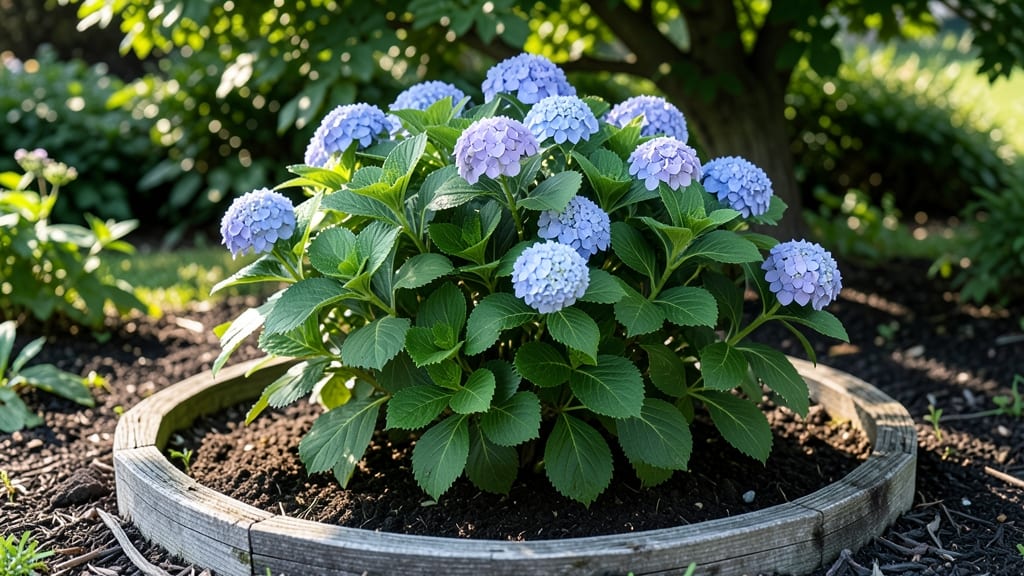
Growing a dwarf oak leaf hydrangea means adding year-round interest to your garden with minimal fuss. 🌿 These compact shrubs deliver stunning white blooms in spring, followed by vibrant fall foliage that rivals oak trees—all while thriving where other hydrangeas struggle.
The secret lies in mimicking their native woodland habitat, which I’ll break down into simple steps that even busy gardeners can follow. This plant adores partial shade and moist, well-draining soil, making it perfect for understory plantings or woodland garden spots.
Most gardeners overlook its disease resistance and adaptability, but once established, these shrubs need surprisingly little care. I’ve grown mine for five years now, and they’ve never required more than seasonal pruning and occasional watering during dry spells.
What you’ll end up with is a low-maintenance shrub that blooms reliably, changes colors with the seasons, and stays compact enough for small gardens. The oak-shaped leaves alone make it a standout, but the fragrant summer flowers and fiery fall foliage are the real showstoppers.
Ready to add this Southern gem to your landscape?
Start with the right location—morning sun with afternoon shade works best in most climates. The soil should be rich in organic matter but well-draining to prevent root rot, which is the biggest threat to these plants.
Amend heavy clay with compost or peat moss if needed, and mulch heavily to retain moisture and regulate soil temperature. My plants thrive in USDA zones 5-9, but with proper winter protection, they can survive even colder areas.
Watering is straightforward: keep the soil consistently moist during the first growing season, then taper off to deep watering once a week once established. These hydrangeas reward patience with larger blooms and more vibrant foliage—just avoid soggy soil at all costs.
Pruning is simple too: remove dead wood in late winter and shape lightly after blooming to encourage next year’s flowers. The key is working with the plant’s natural form rather than forcing it into rigid shapes.
For propagation, take softwood cuttings in summer or layer existing stems in spring. Most gardeners overlook this, but it’s how I’ve expanded my collection without spending a dime. Common varieties like ‘Snow Queen’ and ‘Pee Wee’ stay under 3 feet tall, making them ideal for foundation plantings or mixed borders.
With the right care, your dwarf oak leaf hydrangea will become the standout feature of your shaded garden for decades.
📚 In This Guide
- What you need
- Instructions
- Tips and common mistakes
- Wrapping up and next steps
What you need
- ● Dwarf oak leaf hydrangea plant: 1–3 nursery-grown plants (3–4 ft tall at maturity)
- ● OR seeds (if starting from scratch—germination can be tricky!)
- ● Well-draining potting mix: 2–3 bags (1–2 cubic feet each) of peat-based or organic compost blend (pH 5.5–6.5)
- ● Container or garden bed: For containers: 1–2 large pots (12–15 inches deep, with drainage holes)
- ● For in-ground planting: Space 3–5 ft apart in partial shade
- ● Mulch: 1 bag of pine bark fines or shredded leaves (2–3 inches thick)
- ● Garden trowel or shovel (for digging)
- ● Pruning shears (sterilized with rubbing alcohol)
- ● Gloves (to protect hands from thorns)
- ● Watering can or hose with gentle spray nozzle
- ○ pH testing kit (optional but helpful for soil checks)
- ● Slow-release fertilizer (balanced 10-10-10, 1–2 lbs per plant)
- ● Epsom salt (for magnesium boosts)
- ● Copper fungicide (preventative for powdery mildew)
- ● Stakes or cages (if planting in windy areas)
- ● Moss or decorative rocks (for container styling)
Step-by-Step instructions for planting and caring for dwarf oak leaf hydrangea
Here's how to establish these shade-loving beauties with minimal fuss—perfect for small gardens or containers.
🪴 Step 1: Choose the Perfect Planting Location
Dwarf oak leaf hydrangeas thrive in partial shade—think 4-6 hours of morning sun with afternoon shade protection. I always scout the site first: look for areas where leaves stay cool but receive enough light to prevent leggy growth. Avoid spots where afternoon sun would scorch the delicate foliage.
Test the soil by digging a 6-inch hole—the roots should find well-draining, slightly acidic soil (pH 5.5-6.5). If your soil is heavy clay, amend it with 2-3 inches of organic compost mixed into the top 12 inches. These plants hate soggy roots, so ensure water drains within 24 hours after heavy rain.
☀️ Step 2: Plant at the Right Depth and Spacing
Dig a hole twice as wide as the root ball but only as deep—the top of the root ball should sit 1 inch above ground level. This prevents stem rot from sitting water. Gently loosen the roots if they’re circling tightly, then place the plant in the hole and backfill with native soil, tamping lightly to remove air pockets.
Space 4-5 feet apart for full-size plants, but since you’re working with dwarf varieties, 3 feet gives them room to mature without crowding. Water deeply right after planting to settle the soil and eliminate air gaps around the roots. You’ll know it’s done when water drains evenly from the hole.
💧 Step 3: Water Deeply and Mulch for Moisture Retention
Water once a week for the first month, soaking the soil to a depth of 12 inches. Dwarf hydrangeas have shallow roots, so consistent moisture is key—especially in their first season. I use a soaker hose to avoid wetting the leaves, which reduces fungal risks like powdery mildew.
Spread 2-3 inches of mulch (like shredded bark or pine straw) around the base, keeping it 3 inches away from the stem to prevent rot. Mulch locks in moisture and regulates soil temperature, which is critical in hot climates. Replenish mulch annually to maintain its protective layer.
✂️ Step 4: Prune Strategically for Bushier Growth
Prune dwarf oak leaf hydrangeas in late winter or early spring before new growth appears. Remove dead or crossing branches first, then cut back any leggy stems by ⅓ to encourage bushier growth. I always prune just above a leaf node or outward-facing bud—this ensures new shoots grow outward rather than inward.
Skip heavy pruning in fall, as it removes next year’s blooms. These hydrangeas flower on old wood, so avoid drastic cuts after mid-summer. If you notice weak stems, support them with small garden stakes tied loosely with soft twine to prevent wind damage.
🌿 Step 5: Feed and Monitor for Optimal Health
Apply a balanced, slow-release fertilizer (like 10-10-10) in early spring and again in mid-summer. I avoid high-nitrogen fertilizers—they promote leafy growth at the expense of flowers. Instead, use a hydrangea-specific formula or compost tea for a gentle boost.
Watch for yellowing leaves, which often signal overwatering or nutrient deficiency. If the soil feels compacted, aerate it lightly with a fork. Dwarf oak leaf hydrangeas are generally low-maintenance, but they’ll reward you with vibrant foliage and occasional blooms if you keep soil moist and prune thoughtfully.
Tips & tricks for perfect dwarf oak leaf hydrangea care
These simple strategies will help your dwarf oak leaf hydrangeas thrive with minimal effort—no green thumb required.
Location Intelligence: When scouting your planting spot, pay attention to the 4-6 hours of morning sun rule by observing the area throughout the day. I’ve learned the hard way that even a few extra hours of afternoon sun can cause leaf scorch—test the site for a full day before planting. A north-facing wall or large deciduous tree can provide perfect natural shade protection in summer while allowing winter sun exposure.
Soil Prep Secret: For that pH 5.5-6.5 sweet spot, I recommend testing your soil before planting using a simple home test kit. If your soil is too alkaline, amend with peat moss mixed into the top 12 inches—this acidifies the soil naturally. The 2-3 inches of organic compost mentioned in Step 1 should be well-aged to avoid introducing weeds or pathogens to your new plant.
Planting Depth Caution: That 1-inch above ground level rule is crucial—any lower and you risk stem rot from sitting water. I use a small stake marked at the correct depth as a reference when planting multiple hydrangeas. After backfilling, give the soil a gentle squeeze to check for firmness—it should feel like a well-packed pillow, not a brick.
Watering Wisdom: The 12-inch depth watering requirement is easier than it sounds—use a long screwdriver or soil probe to check moisture levels. In containers, water when the top 1 inch of soil feels dry. For established plants, you can reduce watering to every 10-14 days once they're fully rooted, but always check the soil first.
Pro Tips for Dwarf Oak Leaf Hydrangea
- These simple strategies will help your dwarf oak leaf hydrangeas thrive with minimal effort—no green thumb required.
- Location Intelligence: When scouting your planting spot, pay attention to the 4-6 hours of morning sun rule by observing the area throughout the day.
- Soil Prep Secret: For that pH 5.5-6.5 sweet spot, I recommend testing your soil before planting using a simple home test kit.
Frequently asked questions
Got questions about your dwarf oak leaf hydrangea? You’re not alone!
Here are answers to the most common concerns—from planting to pruning—so you can keep your compact beauty thriving with confidence.
How fast does a dwarf oak leaf hydrangea grow?
Expect slow but steady growth—about 6–12 inches per year. In ideal conditions (partial shade, well-draining soil), it may reach its mature height of 3–4 feet in 3–5 years. Patience pays off with lush, long-lasting foliage!
Does this hydrangea tolerate drought once established?
Yes! Once rooted, dwarf oak leaf hydrangeas are drought-tolerant, but they’ll reward you with bigger, showier leaves if you water 1–2 times per week during dry spells. Mulch helps retain moisture—just avoid piling it against the trunk.
When and how should I prune my dwarf oak leaf hydrangea?
Prune in late winter or early spring (before new growth starts) to shape the plant. Use clean, sharp shears to remove dead or crossing branches, and avoid heavy cuts—these hydrangeas bloom on old wood. A light trim keeps them compact and tidy!
Why are the leaves turning yellow or brown?
Yellowing leaves often signal overwatering or poor drainage, while brown edges can mean sunburn (too much direct sun) or underwatering. Check soil moisture and ensure your hydrangea gets morning sun + afternoon shade. Adjust care, and it’ll bounce back!
What’s a good alternative if I need a shade-loving shrub with fewer leaves?
If you prefer low-maintenance or smaller foliage, try:
- Dwarf fothergilla (fragrant spring blooms, 3–4 ft tall)
- Inkberry holly (evergreen, glossy leaves, 3–5 ft)
- Boxwood (neat, dense, 2–4 ft; great for hedges!)
Wrapping up and next steps
The dwarf oak leaf hydrangea is a stunning, low-maintenance choice for adding texture and color to shady spots in your garden. With the right soil, sunlight, and care, this compact beauty will reward you with vibrant foliage and delicate blooms for years to come! 🌿
Ready to transform your garden? Start by selecting the perfect spot—whether it’s a cozy corner or a container—and follow the steps to nurture your hydrangea into a thriving centerpiece. Happy planting! 🌸