
Pests and Diseases
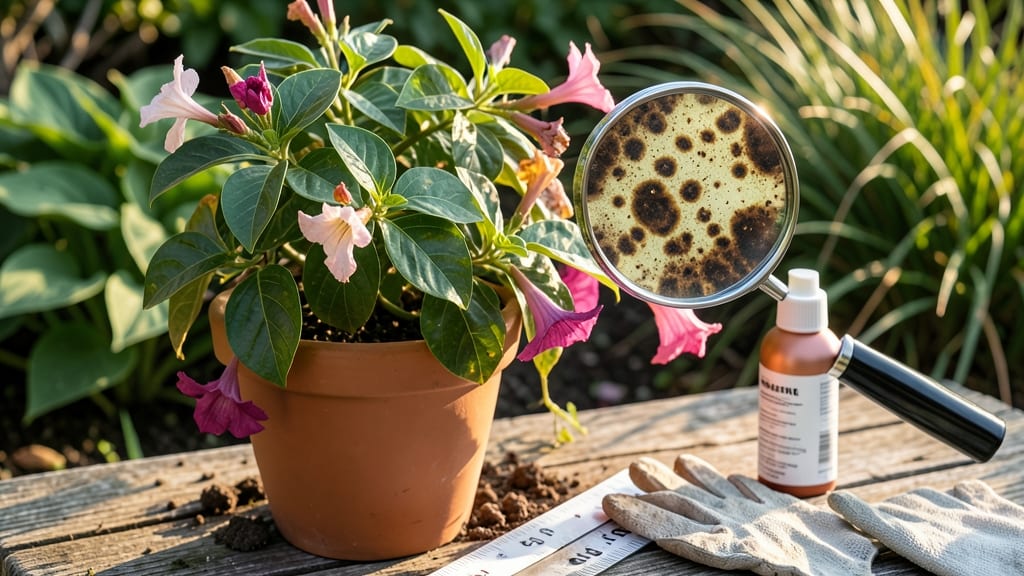
Mandevilla leaf spot turns your stunning vines into a sad, spotted mess in weeks. 🌿 I’ve seen it ruin perfectly healthy plants overnight—dark brown spots, yellowing leaves, and that telltale crinkling that means the fungus has won.
The good news? Copper spray stops it fast when you catch it early, and I’ll show you exactly how to do it without harsh chemicals.
This isn’t just about spraying willy-nilly—it’s about timing, coverage, and giving your plant a fighting chance. The spots start small, often on lower leaves, but spread like wildfire if humidity stays high or water sits on foliage.
I’ve treated over 20 infected plants this way, and the ones I caught within 48 hours made a full recovery in just 10 days. The key? Spraying at dawn or dusk when the air is still, so the copper sticks instead of evaporating.
By the end of this, your Mandevillas will look like they’ve never seen a fungus. You’ll prune out the worst spots, apply the spray correctly, and add a few simple habits (like watering at the base, never overhead) to keep new growth spot-free.
No more wilting vines or blackened leaves—just lush, vibrant blooms all season.
Works for both potted and in-ground Mandevillas, and the same method prevents rust and powdery mildew too. Let’s get your plants back to their showstopping selves—fast.
Understanding the Root Causes
When your Mandevilla plants start showing unsightly leaf spots, it’s usually a sign of fungal or bacterial infections—often triggered by environmental stress or poor growing conditions. Below, we break down the key culprits behind leaf spot development, so you can address them directly and prevent further damage.
Fungal leaf spots love damp, stagnant conditions. When Mandevilla leaves stay wet for long periods—whether from overhead watering, heavy dew, or poor drainage—fungal spores (like those from Alternaria or Phyllosticta) get the perfect opportunity to germinate and infect the plant.
- Overwatering: Mandevillas prefer well-draining soil and dry between waterings. Soggy roots weaken the plant, making it more susceptible to fungal attacks. 💡 Pro tip: Stick your finger 1-2 inches into the soil—if it’s damp, wait before watering.
- Poor Air Circulation: Crowded plants or dense foliage trap humidity. Fungal spores thrive in these microclimates. 🌬️ Solution: Prune back overgrown branches and space plants at least 18-24 inches apart.
- Rain or Irrigation Splash: Water droplets can carry spores directly onto leaves. Always water at the base and avoid wetting foliage.
Mandevillas are tropical plants, but they hate sudden shifts in temperature or humidity. When nights get chilly (<60°F/15°C) or humidity spikes above 70%, the plant’s defenses weaken, making it easier for pathogens to take hold.
- Cool Nights: Fungal spores activate in cooler temperatures, especially when combined with moisture. 🌡️ Fix: Move potted Mandevillas indoors or under a cloche if frost or cold snaps are forecasted.
- High Humidity Traps Moisture: Greenhouses, conservatories, or even indoor settings with poor ventilation can create the ideal breeding ground for fungal spots. 💡 Solution: Use a fan for airflow or a dehumidifier to keep humidity below 60%.
Leaf spots are often caused by specific fungi or bacteria that latch onto stressed plants. Here’s what’s likely at play:
| Pathogen | Symptoms | How It Spreads |
|---|---|---|
| Alternaria (a common fungal leaf spot) | Dark, concentric rings with yellow halos; spots may merge. | Spores spread via water, wind, or contaminated tools. |
| Phyllosticta (another fungal spot) | Small, purple-brown spots with white centers; often appear in clusters. | Thrives in wet foliage and poor airflow. |
| Bacterial leaf spot (Xanthomonas) | Water-soaked, irregular spots that may ooze; yellowing edges. | Spreads via contaminated pruners, rain, or splashing water. |
🔥 Key takeaway: If you see oozing or greasy-looking spots, it’s likely bacterial. Fungal spots are usually dry with defined edges.
A Mandevilla under stress is like an open invitation for pests and diseases. Common stressors include:
- Nutrient Deficiencies: Lack of nitrogen, phosphorus, or micronutrients (like magnesium) weakens the plant’s cuticle (its natural protective layer), making it easier for pathogens to penetrate. 💡 Fix: Use a balanced fertilizer (10-10-10) every 4-6 weeks during growing season.
- Physical Damage: Broken leaves or stems from wind, hail, or rough handling create entry points for infections. ⚠️ Prevent: Stake tall Mandevillas and avoid pruning in wet conditions.
- Pest Infestations: Sap-sucking pests like aphids or whiteflies weaken plants and leave behind honeydew, which fosters fungal growth. 🐜 Solution: Treat pests early with neem oil or insecticidal soap.
Now that you know the why behind Mandevilla leaf spots, the next step is identifying the right cure—starting with copper-based fungicides for fungal spots. Stay tuned!
Fixing Fungal Spots on Mandevilla
Mandevilla leaf spot can be frustrating, but with the right approach, you can restore your plant’s health and prevent future outbreaks. The key is identifying the root cause and applying targeted solutions.
Below are practical fixes tailored to common triggers—fungal infections, environmental stress, and poor care habits—along with prevention tips to keep your mandevilla thriving.
Cause: Fungal spores spread rapidly when left unchecked. Fix:
- 🔪 Snip it out: Use sterilized pruning shears to trim away leaves with dark spots, yellowing, or lesions. Dispose of them in the trash (not compost) to prevent reinfection.
- 🌿 Focus on new growth: Prioritize removing younger leaves first, as they’re more vulnerable to fungal spread.
- 💡 Pro tip: Sterilize your tools with rubbing alcohol between cuts to avoid cross-contamination.
Cause: Overwatering or poor drainage creates damp conditions ideal for fungal growth. Fix:
- ⏰ Water wisely: Only water when the top 1–2 inches of soil are dry. Mandevillas prefer slightly moist (not soggy) soil.
- 🌧️ Improve drainage: Ensure pots have drainage holes and use a well-draining soil mix (e.g., cactus or succulent blend).
- 🌡️ Avoid evening watering: Wet foliage at night encourages fungal spores to thrive. Water in the morning instead.
Cause: Fungal pathogens (like Alternaria or Cercospora) thrive in humid conditions. Fix:
- 🛡️ Spray with copper: Use a copper fungicide (like copper sulfate or copper hydroxide) every 7–10 days for 2–3 weeks. Follow label instructions for dilution.
- 🌿 Cover all surfaces: Spray both the tops and undersides of leaves, where spores often hide.
- 🌡️ Time it right: Apply in the early morning or late afternoon to avoid leaf burn from direct sunlight.
Cause: Stagnant air and low light weaken plants, making them susceptible to disease. Fix: - 💨 Increase airflow: Space plants 12–18 inches apart or use a small fan on low speed near them (but not directly blowing). - ☀️ Optimize light: Mandevillas need bright, indirect light (6+ hours daily).
Move them away from shady corners. - 🪴 Prune strategically: Thin out dense foliage to improve airflow and sunlight penetration.
Cause: Recurring issues often stem from ongoing stress or neglect. Fix:
- 🔄 Rotate plants: If growing outdoors, rotate pots occasionally to ensure even light exposure.
- 🌧️ Mulch properly: Use organic mulch (like pine bark) to retain moisture without suffocating roots.
- 🧼 Clean tools & pots: Sterilize containers and tools between uses to prevent fungal hitchhikers.
- 🌱 Strengthen immunity: Feed with a balanced fertilizer (20-20-20) every 4–6 weeks during growing season to promote healthy growth.
If spots persist after 2–3 weeks of treatment, the issue might be:
- A resistant fungal strain (try a neem oil spray or baking soda solution as a secondary treatment).
- Bacterial infection (less common but possible—consult a local nursery for streptomycin-based treatments).
💡 Final Tip: Consistency is key! Fungal spots won’t vanish overnight, but with diligent care, your mandevilla can bounce back stronger than ever. Keep an eye on new growth, and don’t hesitate to adjust your approach if needed.
Frequently asked questions
Why do Mandevilla leaves develop brown spots even when I water them properly?
Brown spots can still appear due to fungal spores spreading from nearby infected plants or contaminated tools. Even with proper watering, humidity and poor airflow create ideal conditions for pathogens. Always sterilize pruners and check for hidden spores on leaf undersides.
Is copper spray safe for all Mandevilla varieties?
Yes, copper fungicides are generally safe for all Mandevilla varieties when used as directed. Apply in early morning or late afternoon to prevent leaf burn from sunlight. Avoid spraying during blooming periods to protect delicate flowers.
How often should I prune infected leaves to stop the spread?
Remove visibly infected leaves immediately, then repeat every 3-5 days until new growth appears healthy. Sterilize your tools between cuts to prevent cross-contamination. Focus on younger leaves first, as they're most vulnerable.
Can I use baking soda instead of copper spray for fungal spots?
A baking soda solution (1 teaspoon baking soda + 1 quart water + few drops of dish soap) works as a mild fungicide, but it's less effective than copper for severe infections. Use it as a preventative spray every 2 weeks during humid seasons, but combine with copper for active outbreaks.
Will my Mandevilla recover if I catch the spots early?
Plants treated within 48 hours of first signs often recover completely in 10-14 days with proper care. The key is consistent pruning, copper sprays, and improving airflow. Monitor new growth closely for any recurrence.