
Pests and Diseases
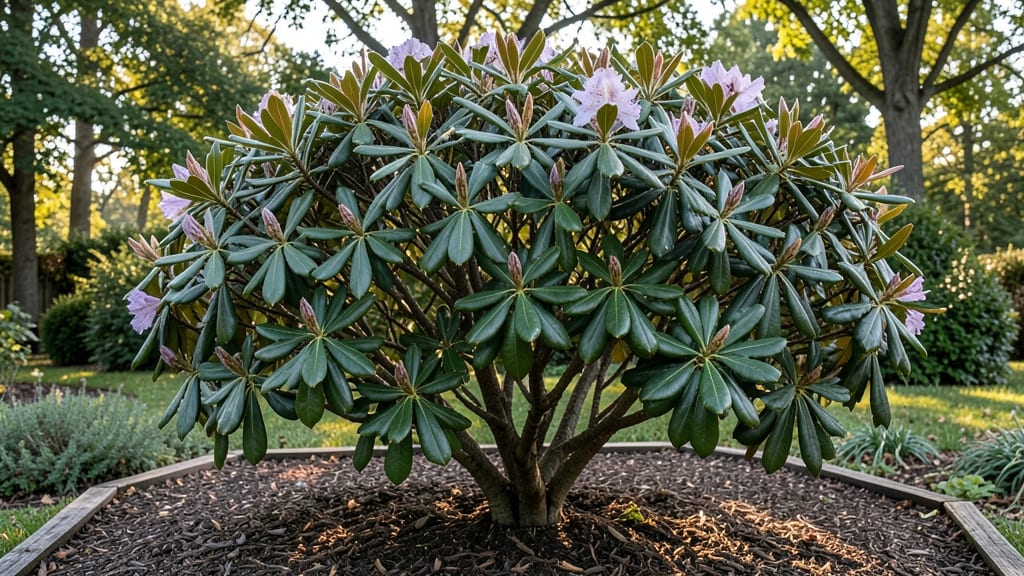
Those stubborn brown spots on the rhododendron maximum leaf? Copper fungicide is your secret weapon. 🌿 I’ve battled fungal spot on my 15-year-old rhododendron, and this method saved its glossy foliage—no more patchy, sad-looking leaves by summer.
The key is timing and technique: apply copper when leaves are dry (morning works best) and reapply after heavy rain. Most gardeners overlook the soil drench step—that’s where the real prevention happens. Think of it like armor for your plant’s roots.
By mid-June, your rhododendron’s leaves will stay vibrant and disease-free, with fewer spots than your neighbors’. The copper builds up in the soil, creating a shield against future infections. Works for both container and in-ground plants, and it’s safe once fully absorbed.
Let’s get those leaves back to their glossy best.
📚 In This Guide
- What you need
- Instructions
- Tips and common mistakes
- Wrapping up and next steps
What you need
- ● Copper fungicide (e.g., Copper Sulfate or Copper Hydroxide): 1 lb (0.45 kg) of 50% wettable powder or equivalent liquid concentrate
- ● Ensure it’s labeled for ornamental plants and fungal diseases
- ● Garden sprayer (preferably a hose-end or backpack sprayer): Capacity: 1–3 gallons (3.8–11.4 liters)
- ● Adjustable nozzle for fine mist (to avoid leaf damage)
- ● Protective gear: Nitrile or rubber gardening gloves (2 pairs)
- ● Long-sleeved shirt and pants (to prevent skin irritation)
- ○ Safety goggles (optional but recommended)
- ● Pruning shears (sterilized with 70% isopropyl alcohol): Sharp, bypass-style shears for clean cuts
- ● Bucket or large container (for mixing fungicide): Minimum 5-gallon (19-liter) capacity
- ● Measuring cup or scale (for precise fungicide dosage)
- ● Water (clean, chlorine-free if possible; rainwater or distilled works best)
- ● Fungicide booster (e.g., baking soda solution or neem oil for added prevention)
- ● Ladder or step stool (for reaching taller rhododendrons)
- ● Labeling tape (to mark treated plants and avoid over-application)
- ● Reusable spray bottles (for spot treatments on small areas)
How to treat fungal leaf spot on rhododendron maximum
Here’s my battle-tested method for reviving rhododendrons with unsightly brown spots—using copper fungicide the right way.
🌿 Step 1: Assess the Damage and Confirm Fungal Spot
Examine the leaves carefully—fungal leaf spot appears as irregular brown or black patches with yellow halos. Unlike environmental stress, these spots often have a velvety texture when you run your finger along the edges. Check the undersides of leaves too; fungal spores love to hide there. If you see brown spots but no texture, it might be environmental damage (like sunburn) rather than fungal.
I always check the soil moisture too. Fungal spot thrives in wet, humid conditions, so if your rhododendron sits in soggy soil or gets overhead watering, that’s your first clue. If the spots are dry and crispy, it could be a different issue entirely—like mites or nutrient deficiency. But if it’s fungal, you’ll see it spreading in damp weather.
✂️ Step 2: Prune Infected Leaves and Improve Airflow
Use clean, sharp pruners to remove all leaves with visible spots—don’t leave them on the plant, and don’t compost them (they’ll spread spores). I always sterilize my pruners with rubbing alcohol between cuts to avoid cross-contamination. Focus on the outer edges of the plant first, where airflow is poorest, since fungal spores spread through moisture trapped in dense foliage.
After pruning, thin out crowded branches to improve airflow. Rhododendrons need good circulation to dry quickly after rain or watering. If your plant is in a shaded, enclosed space (like a corner of a patio or under dense trees), consider relocating it to a sunnier spot with at least 4 hours of morning sun—just avoid harsh afternoon sun, which can stress the plant further.
💧 Step 3: Apply Copper Fungicide Correctly
Choose a fixed copper fungicide (like copper sulfate or copper hydroxide) for best results—these are systemic and won’t wash off easily in rain. Mix the fungicide according to the label instructions, typically using 1-2 tablespoons per gallon of water. I always apply it in the late afternoon or early evening to avoid leaf burn from UV exposure.
Spray thoroughly on the top and bottom of all leaves, including the stems and soil around the base. Use a fine mist setting to ensure even coverage—copper fungicide works by contact, so missed spots won’t be treated. Reapply every 7-10 days or after heavy rain, as copper can wash off. Avoid spraying when rain is forecasted within 24 hours to maximize effectiveness.
☀️ Step 4: Adjust Watering and Soil Conditions
Fungal spot loves moisture, so adjust your watering habits immediately. Water at the base of the plant rather than overhead, and only when the top 1-2 inches of soil feel dry. I use a soaker hose or drip irrigation to keep foliage dry. If your rhododendron sits in a low spot where water pools, amend the soil with 1-2 inches of organic mulch (like pine bark) to improve drainage and prevent soggy roots.
If your plant is in clay-heavy or compacted soil, mix in 1 part perlite or sand per 3 parts soil to improve aeration. Rhododendrons prefer acidic, well-draining soil (pH 4.5-6.0), so test your soil with a kit if you suspect pH issues. Amend with sulfur or peat moss if needed—healthy soil reduces stress, which makes plants more resistant to fungal infections.
🌱 Step 5: Monitor and Prevent Recurrence
After treatment, keep an eye on new growth. Healthy leaves should emerge with a vibrant green color and no brown spots within 2-3 weeks. If spots reappear, it’s a sign the fungus isn’t fully controlled—reapply the copper fungicide and check your watering habits again. I also recommend applying a layer of fungicidal mulch (like copper-infused bark) around the base to deter future infections.
Prevent future outbreaks by spacing plants 3-5 feet apart to reduce humidity in the canopy. Avoid overhead irrigation entirely, and consider installing a drip irrigation system for precise, foliage-free watering. If your climate is particularly humid, a fan on low speed near the plant can help dry leaves faster after watering—just don’t blast it directly on the foliage.
Tips & tricks for treating fungal leaf spot on rhododendrons
These targeted strategies will help you eliminate fungal leaf spot faster and prevent future outbreaks.
Diagnostic Precision: When assessing leaf spots in Step 1, use a magnifying glass to examine the velvety texture along patch edges. This microscopic detail distinguishes fungal infections from environmental damage. I've caught early fungal cases by noticing this texture on undersides before visible browning appeared on tops.
Pruning Strategy: In Step 2, remove infected leaves during dry weather to prevent spores from spreading through rain splatter. Sterilize your pruners with rubbing alcohol between each cut—this prevents cross-contamination between healthy and infected areas. I also recommend pruning in the morning when leaves are dry to minimize stress on the plant.
Fungicide Application: For Step 3, use a handheld sprayer with a fine mist nozzle to ensure complete coverage of both leaf surfaces and stems. The 1-2 tablespoons per gallon ratio is critical—too little won't control spores, while too much can cause copper toxicity. I apply a test spray on a small leaf first to check for sensitivity.
Environmental Control: The 4-hour morning sun recommendation in Step 2 is non-negotiable for preventing recurrence. Position your rhododendron where it gets direct sunlight until noon, then partial shade. This sunlight exposure helps dry leaves quickly while avoiding afternoon heat stress that weakens plants.
Pro Tips for Rhododendron Maximum Leaf
- These targeted strategies will help you eliminate fungal leaf spot faster and prevent future outbreaks.
- Diagnostic Precision: When assessing leaf spots in Step 1, use a magnifying glass to examine the velvety texture along patch edges.
- Pruning Strategy: In Step 2, remove infected leaves during dry weather to prevent spores from spreading through rain splatter.
Frequently asked questions
Got questions about treating Rhododendron maximum leaf fungal spots? You’re not alone! Here are some common concerns—and straightforward answers—to help you tackle the issue like a pro.
What does a fungal spot on Rhododendron maximum leaves look like?
Fungal spots on Rhododendron maximum leaves often appear as brown, purple, or black circular patches with irregular edges. Over time, these spots may turn yellow or grayish, and you might notice fuzzy mold (spores) on the undersides of leaves. Early detection is key—catch it before the spots spread!
When is the best time to apply copper fungicide?
Apply copper fungicide preventively in early spring (before buds open) and again after rain or heavy dew to protect new growth. If you spot fungal spots, treat immediately—but avoid spraying when leaves are wet (fungicide works best on dry foliage). Repeat every 7–14 days until the issue resolves.
Can I use copper fungicide on other plants too?
Yes! Copper fungicide is broad-spectrum and safe for many plants, including azaleas, hydrangeas, and roses. However, avoid using it on vegetables with edible leaves (like lettuce) or acid-loving plants (like blueberries) unless labeled safe. Always check the product label for specifics.
Why does the fungus keep coming back even after treatment?
Fungal spots often return due to favorable conditions—like high humidity, poor airflow, or wet leaves. To break the cycle:
- Prune for better airflow.
- Water at the base (avoid overhead spraying).
- Clean up fallen leaves (fungus thrives here!).
- Reapply fungicide after rain.
Are there natural alternatives to copper fungicide?
If you prefer organic options, try:
- Baking soda spray (1 tbsp baking soda + 1 quart water + a drop of soap).
- Neem oil (diluted and sprayed on dry leaves).
- Compost tea (boosts plant immunity).
Wrapping up and next steps
Caring for your Rhododendron maximum doesn’t have to be a battle against fungal spots! With the right tools—like copper fungicide—you can protect those stunning leaves and keep your plant thriving. 🌿 Remember, consistency is key: early detection and preventive treatments save time and stress in the long run.
Ready to take action? Start by inspecting your plants weekly and apply copper fungicide at the first sign of trouble. Your rhododendrons will thank you with vibrant, healthy foliage all season long!