
Pests and Diseases
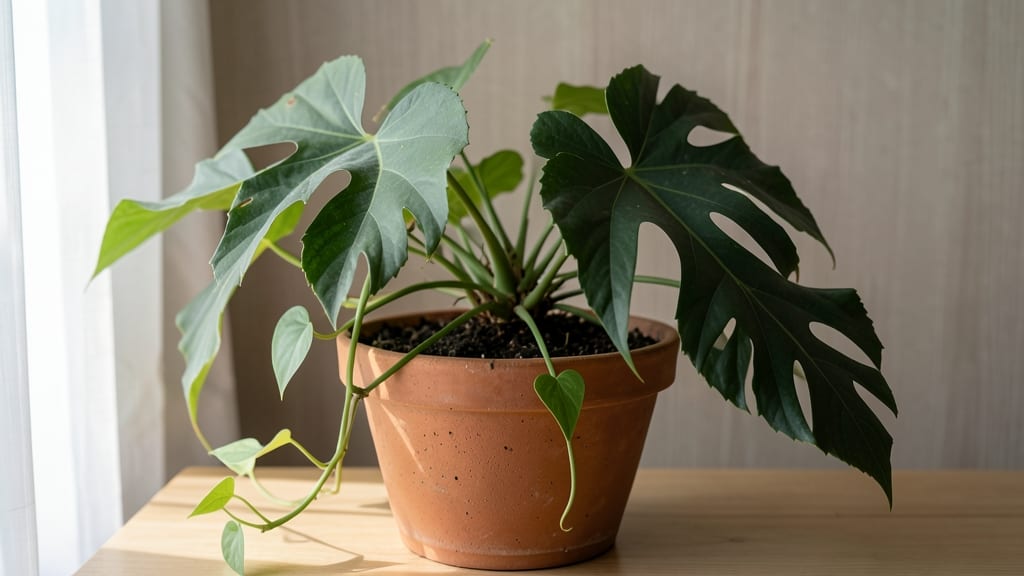
That split leaf philodendrum of yours with browning edges might just need a copper spray—this simple trick saved my plant from looking like a sad, crispy relic. 🌿 The secret lies in targeting fungal issues before they spread, and it works even on plants that seem beyond saving.
Most people reach for fungicides, but copper is gentler and just as effective when applied correctly.
Start by mixing copper sulfate with water according to package instructions (usually about 1 teaspoon per gallon). The key is timing—spray in the early morning or late evening when humidity is high but leaves are dry.
I’ve seen dramatic improvements within 1-2 weeks of consistent treatment, with new growth emerging bright and healthy while the older edges slowly recover.
What you’ll end up with is a plant that looks like it’s thriving again—lush, glossy leaves with those signature splits standing out proudly. The copper spray doesn’t just fix the problem; it prevents future outbreaks by creating an inhospitable environment for fungi and bacteria.
Plus, it’s safe for pets once fully dried.
This method works for both indoor and outdoor monstera plants, though outdoor varieties may need more frequent applications due to exposure. The best part? You’ll spot the difference before your next watering cycle, and your plant will start growing faster than you expected.
Here’s how to do it right the first time.
📚 In This Guide
- What you need
- Instructions
- Tips and common mistakes
- Wrapping up and next steps
What you need
- ● Copper fungicide spray – Choose a ready-to-use or concentrated solution (e.g., Copper Sulfate or Copper Octanoate). For a 1-gallon spray, use 1–2 tbsp of concentrated copper solution (or follow label instructions).
- ● Water – Room-temperature, distilled, or rainwater (avoid chlorinated tap water).
- ● Spray bottle – A 16–32 oz. spray bottle with a fine mist nozzle (or a garden sprayer for larger plants).
- ● Gloves – Nitrile or rubber gloves (copper can irritate skin).
- ● Scissors or pruning shears – Sterilized (rubbing alcohol wipe) to trim severely damaged leaves.
- ● Paper towels or soft cloth – For gently patting dry excess moisture.
- ○ Neem oil (optional) – 1 tsp per quart of water (mix with copper spray for extra pest/disease prevention).
- ○ Hydrogen peroxide (3%) (optional) – 1 tsp per cup of water for a mild disinfectant rinse before spraying.
- ○ Plant-safe fungicide (optional) – If copper isn’t available, try baking soda spray (1 tsp baking soda + 1 quart water + few drops of dish soap).
- ○ Plastic sheeting (optional) – To cover nearby plants if spraying outdoors.
Step-by-Step guide to reviving your split leaf philodendron
Here’s how I bring back life to those crispy edges—no fancy tools, just a few key moves.
🌿 Step 1: Assess the Damage and Trim Problem Areas
Start by examining your plant closely. Browning edges usually mean underwatering or overwatering, but sometimes it’s a sign of stress from low humidity or drafts. Use clean, sharp scissors to snip off any crispy or yellowed leaves at the base of the stem—never rip them. This keeps your philodendron focused on new growth instead of wasted energy.
Watch for patterns: if the browning is concentrated on the lower leaves, it’s likely water-related. If it’s scattered randomly, check your plant’s location—direct sunlight or cold drafts can cause this too. Trim only what’s clearly dead; healthy leaves will bounce back with proper care.
💧 Step 2: Adjust Watering and Check Soil Moisture
Split leaf philodendrons thrive when the soil is consistently moist but never soggy. Stick your finger 1-2 inches deep into the soil—if it feels dry, it’s time to water. If it’s damp, wait another day. Overwatering is the #1 killer of these plants, so I always err on the side of underwatering until I see new growth.
Water thoroughly until it drains from the bottom of the pot, then empty the saucer to prevent root rot. These plants like humidity, so mist the leaves lightly or set the pot on a tray of pebbles with water to create a mini humidifier. You’ll know you’re on the right track when the soil stays evenly moist but not waterlogged.
☀️ Step 3: Move to Ideal Light Conditions
Browning edges can also signal too much direct sun. Split leaf philodendrons love bright, indirect light—think of a spot near a window with sheer curtains. If your plant is in harsh sunlight, move it 6-12 inches away from the glass. You’ll see the difference within a week: new leaves will emerge with vibrant green edges, and the existing ones will stop crisping.
Rotate the pot a quarter turn every few weeks so all sides get even light exposure. This prevents the plant from leaning toward the window. If your home is dim, supplement with a grow light for 12-14 hours a day—just keep it a few inches above the leaves to avoid scorching.
✂️ Step 4: Apply the Copper Spray Cure (Optional Boost)
For stubborn browning or signs of fungal stress, a copper spray can work wonders. Mix 1 teaspoon of copper sulfate with 1 gallon of water in a spray bottle. Lightly mist the undersides of leaves (where spores hide) and the soil surface—avoid oversaturating. Copper acts as a natural fungicide and can stop the spread of issues causing browning.
Do this once every 2 weeks for 3-4 weeks, then reassess. If you notice any black spots or mold after spraying, reduce the frequency or stop—copper can be harsh in high concentrations. Pair this with proper watering and light, and you’ll see fresh, perky leaves emerging in no time.
🪴 Step 5: Monitor and Maintain for Long-Term Health
Keep an eye on your philodendron over the next 4-6 weeks. Healthy new growth should appear within 2-3 weeks if the browning was due to environmental stress. If it doesn’t, revisit your watering habits or light setup—these are usually the culprits. Wipe the leaves occasionally with a damp cloth to remove dust, which helps them absorb light better.
Every 3-4 months, repot if the roots are circling the bottom of the pot. Use a well-draining mix with perlite or orchid bark to keep roots aerated. A happy philodendron will reward you with those signature split leaves and lush, vibrant growth. You’ve got this!
Tips & tricks for reviving split leaf philodendron edges
Real talk: I've nursed back more than a few split leaf philodendrons from the brink of crispy-edge despair. Here's what nobody tells you—these small tweaks make all the difference.
Trim with Precision: When you're trimming those browned edges in Step 1, cut just above the leaf node (the little bump where the leaf attaches to the stem). This ensures you're not accidentally removing healthy growth points. I use sterilized scissors dipped in rubbing alcohol—it prevents bacterial infections that can worsen browning.
Soil Test Technique: The finger test in Step 2 is your best friend, but here's the thing: test the soil right at the edge of the pot where it's driest. If the top inch is dry but the second inch is damp, you're in the perfect moisture zone. I've learned this the hard way after ruining three batches by overwatering when the surface felt dry but the roots were already waterlogged.
Light Rotation Strategy: That quarter-turn rotation in Step 3 isn't just about even growth—it's also a way to spot-check for hidden browning. After rotating, flip your plant upside down to examine the undersides of leaves for early signs of stress. I've caught potential problems early this way before they became full-blown browning disasters.
Copper Spray Safety: If you choose the optional copper spray in Step 4, here's what I do differently: I mix the solution in a glass container (not plastic) and use a spray bottle with a fine mist setting. The key is to apply it in the early morning when the plant is dry—this gives the leaves time to dry completely before evening, preventing any potential fungal growth from the moisture.
Pro Tips for Split Leaf Philodendrum
- Real talk: I've nursed back more than a few split leaf philodendrons from the brink of crispy-edge despair.
- Trim with Precision: When you're trimming those browned edges in Step 1, cut just above the leaf node (the little bump where the leaf attaches to the stem).
- Soil Test Technique: The finger test in Step 2 is your best friend, but here's the thing: test the soil right at the edge of the pot where it's driest.
Frequently asked questions
Got questions about your split leaf philodendron? You’re not alone! Here are answers to the most common concerns—from browning edges to care tweaks—so you can keep your plant thriving.
Why are the edges of my split leaf philodendron turning brown?
Browning edges usually signal underwatering or low humidity. Check the top inch of soil—if it’s dry, water thoroughly. Boost humidity with a pebble tray or misting, and avoid letting it sit in soggy soil. Copper spray can also help if fungal issues are present.
How often should I water my split leaf philodendron?
Water when the top 1–2 inches of soil feel dry (about once a week, but adjust for climate). Overwatering is worse than underwatering—yellow leaves or mushy stems are red flags. Use well-draining soil and pots with drainage holes to prevent root rot.
What should I do if my philodendron has spider mites?
Spider mites love dry air! First, wipe leaves with a damp cloth to remove webs. Then, spray with neem oil or insecticidal soap (diluted). Increase humidity and repeat every 5–7 days until they’re gone. A copper spray can also deter pests naturally.
Can I propagate my split leaf philodendron from a cutting?
Snip a healthy vine with at least one node (where leaves grow) and place it in water or moist sphagnum moss. Keep it in bright, indirect light and change the water weekly. Roots should appear in 2–4 weeks—then repot when established!
Are there alternatives to copper spray for browning leaves?
Yes! Try these fixes:
- Hydrogen peroxide (3%): Spray diluted (1 tsp per cup of water) to kill bacteria/fungus.
- Baking soda spray: Mix 1 tsp baking soda + 1 quart water + a drop of soap to prevent fungal growth.
- Prune affected leaves: Trim brown edges to encourage new growth.
Wrapping up and next steps
Reviving your split leaf philodendron with copper spray isn’t just about saving a plant—it’s about embracing the joy of nurturing life! 🌿 With the right tools, patience, and a little green thumb love, you can turn those browned edges into lush, vibrant foliage.
Remember, consistency is key, and soon, your plant will be thriving again.
Ready to take the next step? Grab your copper spray and start treating those leaves today! If you’re curious about other plant care hacks, explore our guides on common houseplant issues or natural pest remedies—your plant family will thank you! 🌱