
Pests and Diseases
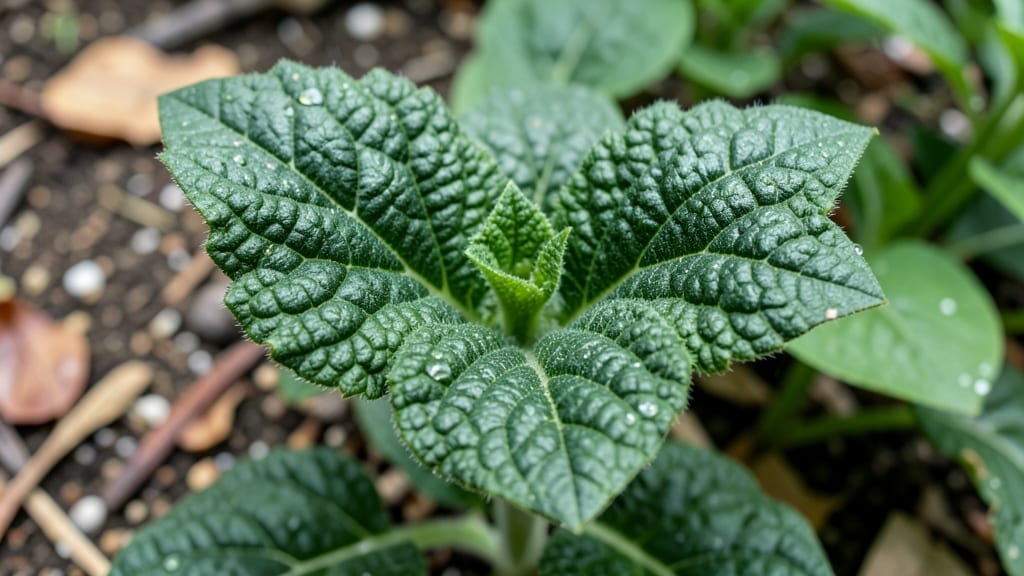
Growing lizard leaf celosia feels like cultivating a living jewel box—those velvety red leaves glow like embers all summer. 🌿 I learned the hard way that this fungal-resistant perennial thrives when you mimic its natural, dry conditions, not coddle it like a houseplant.
The secret lies in soil, sunlight, and watering habits that prevent the one thing this plant hates: soggy roots.
This plant demands full sun (at least 6-8 hours daily) and well-draining soil—think sandy loam mixed with compost. Space plants 12-18 inches apart to give their broad leaves room to unfurl without competing.
Water only when the top inch of soil feels dry; overwatering turns those stunning leaves into a fungus buffet.
By midsummer, you'll have a bushy, 3-foot-tall plant with foliage so dense it blocks weeds. Prune leggy stems in early spring to encourage bushier growth, and watch as new leaves emerge with that signature crinkled texture. The best part? It handles heat and drought once established—perfect for low-maintenance gardens.
For frost-prone areas, treat it as an annual: sow seeds in spring after the last frost or bring potted plants indoors before temperatures dip below 40°F.
In warmer climates, it may overwinter with minimal care. The payoff? A border plant that looks stunning from June to frost, with zero fuss.
📚 In This Guide
- What you need
- Instructions
- Tips and common mistakes
- Wrapping up and next steps
What you need
- ● Lizard Leaf Celosia Seeds or Plants: Seeds: 5–10 seeds (or 1–2 starter plants if buying young seedlings).
- ● Pro Tip: Look for fungal-resistant varieties (e.g., 'Lizard Leaf' or 'Velvet Flame') to avoid common issues like powdery mildew! 💡
- ○ Growing Medium: Well-draining potting mix (e.g., 60% peat moss, 30% perlite, 10% compost). Optional: Add 1 tbsp of mycorrhizal fungi for extra root support.
- ● For garden beds: Loose, sandy loam soil with a pH of 6.0–7.0.
- ○ Containers (if applicable): 5–7 inch pots with drainage holes (1–2 per plant). Optional: Self-watering pots for low-maintenance care.
- ● Tools: Trowel or small hand shovel
- ● Garden gloves (to protect from prickly foliage!)
- ● Spray bottle (for misting seedlings)
- ● Fungicide spray (e.g., neem oil or copper-based, preventative only)
- ● Climate: Full sun (6+ hours daily). Partial shade in hot climates (Zone 8–11).
- ● Watering: Keep soil evenly moist but not soggy (overwatering = fungal risks!).
- ● Spacing: 12–18 inches apart in garden beds; 6–8 inches in containers.
- ● Fertilizer: Balanced 10-10-10 or fish emulsion (apply every 4–6 weeks).
How to grow lizard leaf celosia for stunning foliage
This fungal-resistant perennial thrives with minimal fuss—here's how to coax its velvety red leaves into your garden.
🌱 Step 1: Choose the Right Location and Soil
Lizard leaf celosia loves full sun—plant where it gets at least 6 hours of direct sunlight daily. I always pick the warmest, sunniest spot in my garden because this variety won't tolerate shade. The soil should drain well; if yours is heavy clay, mix in 2-3 inches of compost to loosen it up.
Work the soil to a depth of 12 inches to encourage strong root growth. Celosia roots spread wide but not deep, so focus on breaking up compacted areas horizontally. A quick soil test for pH between 6.0-7.0 ensures optimal nutrient uptake—this plant won't fuss over perfect conditions, but it rewards good drainage.
☀️ Step 2: Plant at the Correct Time and Depth
Wait until after your last frost date when soil temperatures reach at least 60°F. I plant mine in late spring because cooler weather stunts growth. Dig holes twice as wide as the root ball but only as deep as the container—burying too deep suffocates the plant.
Space plants 18-24 inches apart for full, velvety foliage. You'll see the difference in mature plants: crowded spacing leads to leggy stems and less vibrant color. Water deeply right after planting to settle the soil and eliminate air pockets around roots.
💧 Step 3: Water Consistently Without Overdoing It
Water when the top 1-2 inches of soil feel dry—this plant hates soggy roots. I check by sticking my finger in the soil; if it comes out clean, it's time to water. Deep watering 2-3 times per week encourages strong roots that support those velvety leaves.
Mulch with 2-3 inches of organic mulch to retain moisture and keep roots cool. Avoid wetting the foliage when watering—this helps prevent fungal issues that can dull the vibrant red color. You'll notice the leaves staying crisp and upright when moisture is just right.
✂️ Step 4: Prune for Bushier Growth and Remove Faded Leaves
Pinch back the tips of new growth when plants reach 6 inches tall to encourage bushier foliage. I use clean pruners to snip just above a leaf node—this redirects energy to side shoots. Regular pruning keeps the plant compact and prevents it from becoming leggy.
Remove any yellow or brown leaves immediately to maintain the plant's velvety appearance. Deadheading spent blooms (if any appear) redirects energy to foliage production. This variety focuses on leaves rather than flowers, so pruning keeps it looking lush all season.
🌿 Step 5: Protect Against Pests and Fungal Issues
Lizard leaf celosia is naturally resistant to many fungal problems, but proper spacing and airflow prevent any issues. I monitor for aphids regularly—just spray with water to dislodge them. For severe infestations, use neem oil, but this plant rarely needs intervention.
If leaves start looking dull or develop spots, increase airflow by pruning nearby plants. The velvety texture is its signature feature, so maintaining vibrant color means keeping conditions ideal. A balanced fertilizer in early summer boosts growth without causing weak, floppy stems.
Tips & tricks for perfect lizard leaf celosia growth
These simple tricks will help you coax the most vibrant, velvety foliage from your lizard leaf celosia plants.
Sunlight Secret: While the instructions mention 6 hours of direct sunlight, I've found that placing your plants in the absolute sunniest spot in your garden—like right next to your patio or driveway—can make a noticeable difference in leaf intensity. Morning sun is especially beneficial as it's less intense than afternoon heat. If you notice leaves losing their vibrant color, it might be time to move them to a sunnier location.
Soil Preparation Pro Tip: When working the soil to that 12-inch depth in Step 1, don't just break it up—actually loosen it like you're fluffing a pillow. I use a broadfork to create channels for roots to spread horizontally. This helps prevent waterlogging and encourages that wide-spreading root system that supports those beautiful leaves. The key is to create a loose, almost sandy texture in the top 6 inches where most roots will grow.
Planting Depth Visual: For the planting depth in Step 2, here's a trick I use: after placing your plant in the hole, the top of the root ball should be level with the surrounding soil. To visualize this, imagine the plant sitting in a shallow bowl—you want that same relationship with the ground. Burying too deep (more than the container depth) can actually suffocate the plant by preventing oxygen from reaching the roots.
Watering Technique: When checking soil moisture in Step 3, don't just stick your finger in—press it gently into the soil. If it comes out with soil clinging to it, that's your sign to water. I've found that watering deeply in the morning gives roots plenty of time to absorb moisture before the heat of the day. And remember, those 2-3 inches of mulch act like a moisture blanket, so you'll need to water less frequently once established.
Pro Tips for Lizard Leaf Celosia
- These simple tricks will help you coax the most vibrant, velvety foliage from your lizard leaf celosia plants.
- Morning sun is especially beneficial as it's less intense than afternoon heat.
- Soil Preparation Pro Tip: When working the soil to that 12-inch depth in Step 1, don't just break it up—actually loosen it like you're fluffing a pillow.
Frequently asked questions
Got questions about growing Lizard Leaf Celosia? You’re not alone! Here are some of the most common concerns—and their answers—to help you cultivate this stunning, fungal-resistant perennial with ease.
Is Lizard Leaf Celosia really a perennial, or does it die back in winter?
Lizard Leaf Celosia
is a tender perennial in USDA Zones 9–11, meaning it thrives year-round in warm climates. In cooler zones, it often dies back to the ground but can resprout if protected from frost. Treat it like an annual in colder areas or overwinter it indoors with proper care.
When is the best time to plant Lizard Leaf Celosia for maximum growth?
Plant after the last frost when soil temperatures reach at least 60°F (15°C). For warm climates, spring or early summer works best. In cooler regions, start seeds indoors 6–8 weeks before the last frost date. Avoid planting too early—cold soil can stunt root growth.
What pests or diseases should I watch out for, even though it’s fungal-resistant?
While resistant to many fungi, Lizard Leaf Celosia can still attract aphids, spider mites, or whiteflies. Watch for yellowing leaves or sticky residue. For prevention, use neem oil or insecticidal soap. Overwatering may invite root rot, so ensure well-draining soil.
Can I grow Lizard Leaf Celosia in containers, and what’s the ideal pot size?
Use containers at least 12–14 inches deep with drainage holes. A 16-inch pot gives roots room to spread. Ensure the pot gets 6+ hours of sunlight daily and water when the top inch of soil feels dry. Containers dry out faster, so monitor moisture closely.
What can I do if my Lizard Leaf Celosia’s leaves turn yellow or wilt?
Yellowing often signals overwatering or nutrient deficiency. Check soil moisture—it should stay lightly damp but not soggy. Wilted leaves may mean underwatering or heat stress. Trim affected foliage, adjust watering, and ensure it’s in partial shade during peak afternoon sun.
Wrapping up and next steps
Growing Lizard Leaf Celosia is a rewarding journey—its stunning velvety foliage and fungal-resistant nature make it a standout perennial for any garden! 🌿 With the right soil, sunlight, and care, you’ll enjoy vibrant red leaves that thrive year after year. Now’s your chance to elevate your garden’s beauty while keeping pests and diseases at bay!
🌱 Ready to Grow?
Start by gathering your supplies, then plant with confidence. Your next step: Pick a sunny spot, prep the soil, and watch your Lizard Leaf Celosia flourish! Share your progress or tips in the comments—we’d love to see your garden glow! 🌟