
Pests and Diseases
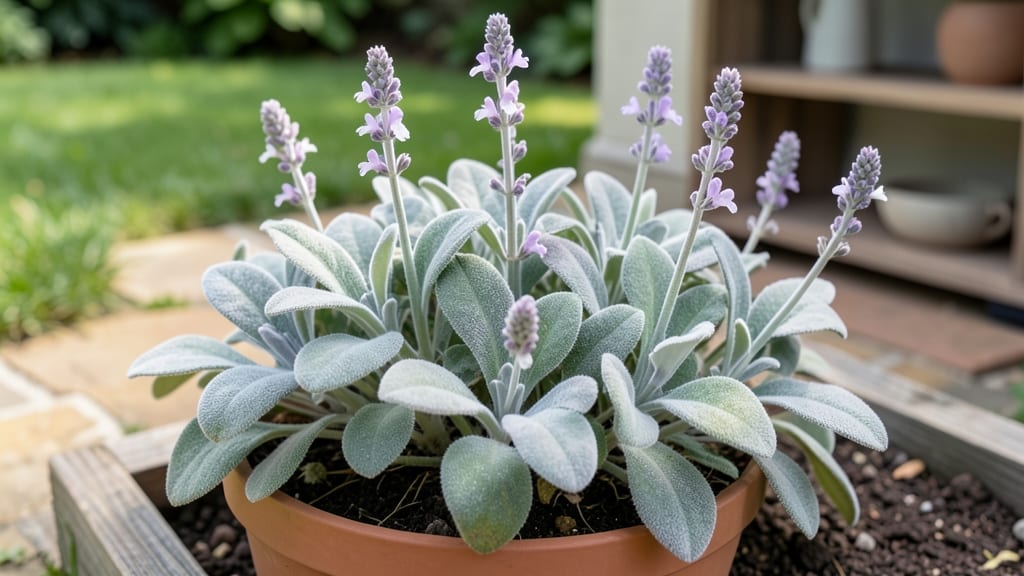
Your velvet leaf NZ plants are screaming for help when those crispy edges appear. 🌿 The good news? Copper spray isn’t just a cure—it’s a game-changer for reviving your Abutilon’s lush foliage, especially in NZ’s humid summers where fungal issues thrive.
The crispy edge damage usually means overwatering, poor drainage, or fungal infections like powdery mildew. I’ve seen this turn plants from vibrant to sad in weeks—until I switched to a copper-based spray. The key is applying it at the first sign of trouble, not waiting until the damage spreads.
Once treated, your plants bounce back with shockingly lush new growth within 2-3 weeks. The copper spray also prevents future outbreaks, so you won’t need to repeat it often. Just mix it right and spray those leaves thoroughly.
Works for both indoor pots and outdoor beds—perfect for NZ’s varied climates. Here’s how to do it without overdoing it.
Root Causes Of Leaf Discoloration
Velvet leaf (Abutilon species) in New Zealand gardens can develop unsightly brown or crispy edges—often called "edge scorch"—due to a mix of environmental and biological stressors. Understanding these triggers is key to preventing and treating the issue. Below, we break down the most common culprits with clear, actionable science.
Velvet leaf thrives in partial shade, but when exposed to intense afternoon sun—especially in NZ’s hotter regions like Auckland or Canterbury—its leaves can develop crispy edges. This happens because:
- Transpiration overload: Hot, dry air causes water to evaporate faster than the plant’s roots can absorb it, leading to dehydration and cell damage.
- UV radiation: Direct sunlight can scorch leaf tissue, particularly if the plant is already water-stressed.
- Soil moisture imbalance: Even well-drained NZ soils can dry out quickly in summer, exacerbating the problem.
Pro tip: 🌿 Mulch heavily with organic matter (like compost or bark chips) to retain moisture, and avoid pruning in peak heat—this reduces water loss through exposed stems.
Velvet leaf is sensitive to inconsistent watering, which can trigger edge damage through:
- Underwatering: Leaves curl and develop brown edges as cells collapse from drought stress. This is common in sandy or free-draining NZ soils.
- Overwatering: Poor drainage (a risk in heavy clay soils) can lead to root suffocation, preventing nutrient uptake and causing marginal leaf burn.
- Fluctuating moisture: Alternating between soggy and dry spells confuses the plant, leading to uneven water distribution in the leaves.
Actionable fix: 🔥 Water deeply but infrequently—aim for 1-2 inches per week (adjust for NZ’s microclimates). Use a moisture meter if unsure, and ensure pots have drainage holes.
While velvet leaf isn’t as prone to fungal issues as some plants, certain conditions can pave the way for pathogens or nutrient deficiencies:
- Fungal spores: High humidity (common in NZ’s winter or coastal areas) can encourage Alternaria or Botrytis to infect leaves, causing brown, crispy edges. These fungi thrive in stagnant, damp environments.
- Copper deficiency: NZ’s acidic soils (especially in volcanic regions) can leach copper, a mineral essential for enzyme function. Without it, leaves develop necrotic edges due to impaired energy production.
- Bacterial leaf spot: Xanthomonas bacteria can enter through damaged tissue (e.g., from pruning or hail), leading to water-soaked spots that dry into crispy edges.
Prevention tip: ✨ Apply a copper-based fungicide (like copper oxychloride) preventatively in spring, and test soil pH—aim for 6.0-7.0 to improve copper availability.
Insects like aphids, spider mites, and scale can weaken velvet leaf by:
- Feeding on sap: These pests inject toxins as they feed, causing leaf tissue to dry out and develop brown, crispy margins.
- Transmitting viruses: Aphids, in particular, can spread viral infections (e.g., Cucumber mosaic virus) that manifest as distorted, scorched leaves.
- Disrupting nutrient flow: Heavy infestations block stomata (leaf pores), reducing the plant’s ability to absorb water and CO₂.
Quick solution: 🎯 Inspect leaves regularly for webbing (mites), sticky residue (aphids), or white fluff (scale). Blast pests off with water or use neem oil—NZ’s mild winters mean pests can persist year-round.
Velvet leaf prefers well-aerated, fertile soil rich in organic matter. When deprived, it shows stress through:
- Nitrogen deficiency: Yellowing between leaf veins (chlorosis) can spread to edges, turning them brittle. This is common in overworked or peat-based soils.
- Potassium shortage: Leaves develop brown, dead edges first—especially on older foliage—because potassium regulates water and enzyme activity.
- Salt buildup: Over-fertilizing or using hard water can accumulate salts in the root zone, burning leaf margins.
Soil remedy: 💡 Amend soil with compost or a balanced fertilizer (e.g., 10-10-10) in autumn. For container plants, flush the soil with water monthly to leach excess salts.
Quick Fixes for Velvet Leaf Damage
Velvet leaf (Abutilon theophrasti), a common weed in New Zealand’s gardens and agricultural fields, can wreak havoc on crops and lawns if left unchecked.
Whether you’re dealing with crispy edge damage from copper spray misuse, spread through seed dispersal, or root competition, here’s how to tackle the problem—fast and effectively.
If your velvet leaf (or nearby plants) shows brown, crispy edges from copper spray, the issue is likely overapplication or poor timing. Copper is a contact herbicide, meaning it works best when sprayed directly on young, actively growing weeds—but too much can harm desirable plants.
How to Reverse the Damage:
- 🍃 Stop spraying immediately – Give plants 2–3 days to recover before reapplying.
- 💧 Hydrate stressed plants – Water deeply to help flush out excess copper and reduce stress.
- 🌱 Apply organic mulch – A 2–3 cm layer of straw or wood chips can protect soil and roots from further copper buildup.
- 🔄 Monitor soil pH – Copper toxicity worsens in acidic soils (pH < 6.0). Test your soil and amend with lime if needed.
Prevention Tips: ✅ Dilute copper spray properly – Follow label instructions (typically 1–2 tsp per liter of water). ✅ Spray early morning or late evening – Reduces risk of leaf burn from direct sunlight. ✅ Avoid windy days – Drift can damage nearby plants and increase copper runoff.
Velvet leaf reproduces exclusively via seeds, which can lie dormant in soil for years. Manual removal is the most effective long-term solution.
Step-by-Step Removal Guide:
- 🔪 Cut at the base – Use gloves and long sleeves (the plant has irritating hairs). Snip stems just below soil level to prevent regrowth.
- 🗑️ Bag and dispose – Do not compost—seeds can survive composting. Double-bag and trash.
- 🌱 Smother remaining roots – Cover the area with cardboard + mulch for 6+ weeks to starve out roots.
- 🌱 Replant with competitors – Velvet leaf struggles in dense ground covers like clover, creeping thyme, or dense grasses.
Prevention Tips: 💡 Solarize soil – In hot months, cover infested areas with clear plastic for 4–6 weeks to kill seeds. 💡 Use pre-emergent barriers – Lay landscape fabric before planting to block seed germination. 💡 Encourage beneficial insects – Ladybugs and lacewings feed on velvet leaf seeds (plant dill, fennel, or marigolds nearby).
If you prefer chemical-free solutions, these tactics work well in NZ’s climate:
| Method | How It Works | Best For |
|---|---|---|
| Hand-pulling (young plants) | Removes roots before seeds form. | Small infestations. |
| Flame weeding | Kills above-ground growth (use a propane torch). | Large, mature patches. |
| Vinegar spray | 1:1 vinegar + dish soap (reapply every 3–4 days). | Early-stage weeds (kills fast but may need repeats). |
| Sheep grazing | Sheep love velvet leaf and will eat it down. | Rural or large properties. |
Pro Tip: 🌡️ Timing is everything—velvet leaf germinates in spring and autumn. Target removal before seeds mature (usually 6–8 weeks after sprouting).
If velvet leaf has taken over a large area (e.g., farmland, orchards, or commercial gardens), consider:
- 🌾 Professional herbicide application – Glyphosate (e.g., Roundup) is highly effective but requires careful use.
- 🐄 Livestock integration – Goats or sheep can be rented for targeted grazing.
- 🔬 Soil testing – If copper buildup is suspected, test soil for copper levels before replanting.
Once velvet leaf is gone, keep it from returning with these low-maintenance strategies:
🔹 🌱 Plant densely – Velvet leaf struggles in competitive ground covers (e.g., creeping buttercup, white clover). 🔹 🕰️ Stay vigilant – Check soil before planting new crops—disturbed soil can trigger seed germination. 🔹 🌱 Use cover crops – Buckwheat or mustard smother bare soil and outcompete weeds. 🔹 🚜 Rotate crops – Avoid planting the same crops year after year (velvet leaf thrives in disturbed, nutrient-rich soil).
Final Thought: Velvet leaf is tough, but with consistent effort, you can regain control—without resorting to harsh chemicals. Start with manual removal, then layer in preventative measures to keep your garden (or farm) weed-free for good! 🚀
Frequently asked questions
Why does my velvet leaf develop crispy edges in NZ’s humid climate?
High humidity in NZ can encourage fungal growth like Alternaria or Botrytis, which cause brown, crispy edges. The damp conditions also create ideal environments for bacterial leaf spot. Copper deficiency in acidic soils (common in volcanic regions) worsens the issue by impairing energy production in leaves.
How often should I apply copper spray to prevent damage?
Apply copper fungicide preventatively in spring (before fungal spores spread) and after heavy rain. For treatment, use it every 2-3 weeks until the problem clears. Always dilute properly (1-2 tsp per liter) and spray early morning or evening to avoid leaf burn from sunlight.
Can velvet leaf grow indoors in NZ homes?
Yes! Velvet leaf thrives indoors with bright, indirect light (like near east-facing windows) and moderate humidity. Use well-draining potting mix and water when the top 2-3cm of soil dries out. Avoid cold drafts—it’s frost-sensitive even indoors. Prune regularly to encourage bushier growth.
What’s the best way to propagate velvet leaf from cuttings?
Take 4-5cm tip cuttings in spring or summer, remove lower leaves, and dip in rooting hormone. Plant in moist perlite/sand mix and keep in warm, humid conditions (cover with a plastic bag). Roots form in 3-4 weeks. NZ’s mild winters mean you can propagate year-round indoors with grow lights.
Are velvet leaf’s fuzzy stems harmful to handle?
The hairs on velvet leaf stems can irritate skin—wear gloves when pruning or handling. While not toxic, they may cause mild itching or rashes in sensitive individuals. Avoid touching your face while working with the plant, and wash hands thoroughly after handling.