
Pruning
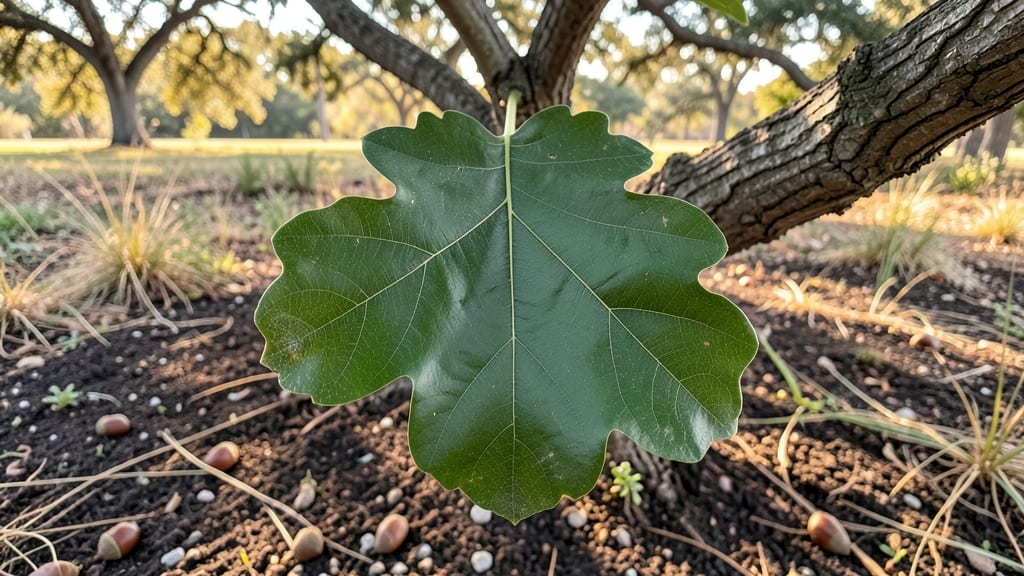
Your live oak tree’s leaf is whispering a warning—those dark spots aren’t just cosmetic. 🌿 I’ve seen anthracnose and fungal diseases turn beautiful oaks into sad shadows, but copper spray can stop it in its tracks before it spreads.
The key is pruning strategically before applying treatment, so you don’t accidentally spread spores to healthy branches.
Start by removing only the worst-infected leaves—never more than 25% of the tree’s canopy at once. Focus on branches where you see black or brown spots, curled edges, or premature leaf drop.
Bag and dispose of pruned leaves immediately (don’t compost them!). Then, mix your copper fungicide according to label instructions—this isn’t a guess, it’s a precise science that works best when applied before rain.
What you’ll end up with is a tree that looks vibrant and healthy by next season, not a skeleton of what it once was. The copper spray creates a protective shield on leaves, while proper pruning improves airflow so the tree can recover faster.
Think of it like giving your oak a deep clean—it might look rough for a few weeks, but the long-term payoff is worth it.
This method works for mature oaks and younger trees alike, though larger trees may need a ladder (safety first!). For severe cases, repeat the copper spray every 2-3 weeks until new growth appears.
The goal isn’t perfection—it’s stopping the spread so your tree can heal naturally. Here’s how to do it right the first time.
📚 In This Guide
- What you need
- Instructions
- Tips and common mistakes
- Wrapping up and next steps
What you need
- ● Pruning shears or loppers: Sharp, clean tools (bypass pruners recommended for precision). Size: 6- to 8-inch blades for small branches; loppers (16-24 inches) for thicker limbs.
- ● Pruning saw: For branches thicker than 2 inches. Type: Curved-tooth saw for clean cuts.
- ● Ladder or extension pole: Sturdy and tall enough to reach the tree’s canopy. Safety note: Use a 3-to-1 rule (ladder base should be 1 foot away from the tree for every 3 feet of height).
- ● Copper fungicide spray: Liquid copper (e.g., Copper Sulfate or Copper Hydroxide). Quantity: 2–4 quarts, depending on tree size.
- ● Garden hose with spray nozzle: For diluting and applying the copper solution evenly.
- ● Disposable gloves: Rubber or nitrile gloves to protect your hands from copper and sap.
- ● Heavy-duty trash bags: For collecting pruned leaves and branches.
- ● Rag or paper towels: To clean tools and wipe sap off hands.
- ● Disinfectant (e.g., rubbing alcohol or bleach solution): 1 part bleach to 9 parts water to sterilize tools between cuts.
- ● Safety goggles: Protects eyes from debris and copper spray.
- ● Knee pads: For comfort if you’re working on the ground.
- ○ Tree wound dressing (optional): Only use if sealing large cuts (e.g., Tanglefoot Tree Wound Pruning Seal). Note: Research shows many experts discourage this—clean cuts heal better on their own!
- ● Spray bottle with water: For rinsing tools or dampening dusty leaves before pruning.
- ● Camera or sketchbook: To document the tree’s shape before/after pruning for reference.
Step-by-Step guide to pruning live oak tree leaves for fungal spot prevention
Here’s how to maintain your live oak’s health while keeping fungal spots at bay.
✂️ Step 1: Identify and Mark Infected Leaves
Start by examining the tree’s canopy for leaves with brown or black spots—these are classic signs of fungal infection. Focus on leaves with irregular edges or yellow halos, as these indicate active spread. I like to use a small flagging tape to mark branches with clusters of infected leaves for easier reference later.
Work on a dry day when the tree isn’t stressed. Wet leaves make it harder to spot early signs of infection, and pruning in damp conditions can accidentally spread spores. If the tree is large, use a ladder with a stabilizer to avoid leaning too heavily on branches.
✂️ Step 2: Sterilize Tools and Prune Strategically
Before cutting, sterilize your pruning shears with 70% isopropyl alcohol or a 10% bleach solution to prevent cross-contamination. I always wipe down the blades between cuts, especially if switching between healthy and infected branches. Remove only the infected leaves—never prune entire branches unless they’re 50% or more affected.
Make clean cuts just above a leaf node or lateral branch to encourage proper healing. Avoid tearing the bark, which can leave wounds vulnerable to further infection. For stubborn leaves, use a small pruning saw for larger branches, but keep the cut as close to the branch collar as possible.
💧 Step 3: Apply Copper Spray for Prevention
Once pruning is complete, mix a copper fungicide spray (like copper sulfate or tribasic copper sulfate) according to label instructions. I prefer early morning applications when the leaves are dry and dew has evaporated—this ensures even coverage. Spray the undersides of leaves first, as fungal spores often hide there.
Focus on the canopy’s lower third and any shaded areas where moisture lingers. Avoid spraying on windy days, as drift can harm nearby plants or surfaces. Reapply every 2-4 weeks during rainy seasons or after heavy pruning to maintain protection.
☀️ Step 4: Monitor and Maintain Tree Health
After treatment, keep an eye on the tree for new spots or leaf drop. Healthy live oaks should show deep green, glossy leaves with minimal debris on the ground. If you notice more than a few new spots within a month, increase spray frequency or consult a local arborist for a soil test—nutrient deficiencies can weaken the tree’s defenses.
Thin the canopy slightly to improve airflow if the tree is densely packed. I prune 10-20% of the outer branches annually to reduce humidity buildup. Mulch the base with 3-4 inches of organic mulch to retain moisture and suppress weeds, but keep it 6 inches away from the trunk to prevent rot.
Tips & tricks for pruning live oak tree leaves
Here’s what I’ve learned after years of fighting fungal infections in my own live oaks—these tricks make all the difference.
Visual Identification: In Step 1, focus on the undersides of leaves—that’s where fungal spores love to hide. Use a handheld magnifying glass if needed to spot early signs of infection like tiny black dots or fuzzy growths. I’ve caught infections early by examining leaves from the ground up using a ladder with a stabilizer, which gives you a better angle than standing below.
Tool Sterilization: The 70% isopropyl alcohol or 10% bleach solution in Step 2 isn’t just about cleanliness—it’s about preventing cross-contamination between healthy and infected branches. I keep a small spray bottle of alcohol with me for quick cleanups between cuts, especially when working on large trees. For stubborn sap buildup, a toothbrush dipped in alcohol works wonders for getting into tight spaces.
Pruning Precision: When making cuts in Step 2, aim for a 45-degree angle just above a leaf node. This angle helps water run off the cut, reducing the risk of rot. For branches thicker than your wrist, I recommend using a pruning saw—it gives you more control and prevents bark tearing, which is a common mistake that invites further infection.
Copper Spray Application: In Step 3, the 2-4 week reapplication schedule is crucial, but timing matters too. I’ve found that applying the copper spray in the early morning gives it time to dry before afternoon humidity sets in. Use a fan on low speed to help dry leaves faster if you’re working in a shady area where moisture lingers longer.
Pro Tips for Live Oak Tree Leaf
- Here’s what I’ve learned after years of fighting fungal infections in my own live oaks—these tricks make all the difference.
- Visual Identification: In Step 1, focus on the undersides of leaves—that’s where fungal spores love to hide.
- Tool Sterilization: The 70% isopropyl alcohol or 10% bleach solution in Step 2 isn’t just about cleanliness—it’s about preventing cross-contamination between healthy and infected branches.
Frequently asked questions
Got questions about live oak tree leaf care and copper spray pruning?
Here are some of the most common concerns—and their answers—to help you keep your tree healthy and fungus-free!
When is the best time to prune live oak tree leaves to prevent fungal spots?
The ideal time to prune live oaks is late winter to early spring (February–March) when the tree is dormant but before new growth begins. Avoid pruning during wet or windy conditions, as this increases the risk of fungal infections. If you spot fungal spots after pruning, act quickly with copper spray to prevent spread.
How often should I apply copper spray to live oak tree leaves?
Apply copper fungicide every 7–14 days during active fungal outbreaks (spring through early fall). For preventive care, use it 2–3 times per season, especially after pruning or heavy rains. Always follow label instructions—overuse can harm beneficial insects and soil microbes.
Can I use copper spray on live oak leaves if they’re already infected with fungal spots?
Yes! Copper spray is effective both preventively and as a treatment for fungal spots like anthracnose or oak leaf blister. Spray the undersides of leaves (where spores often hide) and reapply after rain. Pair it with proper pruning to improve airflow and reduce humidity—key factors in fungal growth.
Are there natural alternatives to copper spray for live oak tree leaves?
While copper is the gold standard, you can try neem oil or baking soda spray (1 tbsp baking soda + 1 quart water + a drop of dish soap) for mild infections. However, these are less effective for severe fungal outbreaks. Always test alternatives on a small leaf area first to avoid damage.
Why do my live oak tree leaves still have spots after pruning and copper spray?
Persistent spots could mean repeated infections, poor pruning timing, or underlying stress (like drought or pests). Check for:
- Overcrowded branches (prune to improve airflow)
- Compacted soil (aerate roots if needed)
- Pests like scale or mites (treat with horticultural oil)
Wrapping up and next steps
Live oak tree leaf pruning doesn’t have to be a daunting task—especially when you arm yourself with the right tools and techniques, like copper spray for fungal prevention! 🌿 By following proper pruning practices, you’ll keep your tree thriving while protecting its health. Whether you’re a seasoned gardener or just starting out, every small step makes a big difference.
Ready to give your live oak the care it deserves? Start by gathering your supplies and scheduling your first pruning session—your tree (and future generations of leaves!) will thank you. Happy pruning! 🌳✨