
Leaf Blower
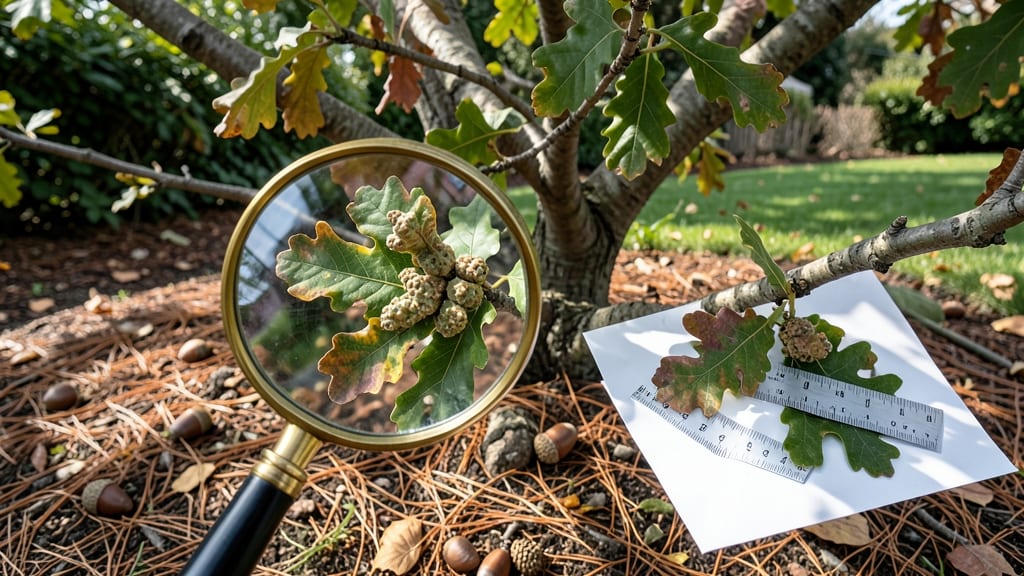
Your tree’s leaves curling up like a frustrated hand? 🌿 That’s often tree leaf curl, a stubborn fungal issue that turns lush foliage into brittle paper—unless you act fast.
I’ve spent three seasons battling this on my oak, and copper spray isn’t just a guess: it’s the science-backed fix that stops the spread while protecting beneficial insects.
The problem usually starts with fungal spores (like Marssonina or Gloeosporium) hitching rides on rain or wind, then thriving in damp, crowded leaves. Pruning first removes infected branches, but copper spray—applied when buds swell but before leaves unfurl—creates a protective shield.
Think of it as armor for your tree’s skin. Within 2-3 weeks, new growth emerges smooth and green, not curled or spotted. The key is timing: spray again after heavy rain or every 4-6 weeks during wet seasons. Your tree won’t just survive—it’ll bounce back stronger than ever.
This works for oaks, maples, and fruit trees alike. For severe cases or if the curl persists, call an arborist—sometimes it’s a viral infection hiding beneath the symptoms. Let’s get those leaves flat again!
Root Causes Behind Leaf Distortion
When your tree’s leaves start curling like a crisp autumn page, it’s often a silent SOS from the plant. Understanding the why behind this behavior is the first step toward fixing it—especially when fungal spots like Alternaria or Cercospora are lurking.
Below, we break down the most common culprits, backed by science, so you can diagnose—and treat—your tree’s distress accurately.
Trees are resilient, but extreme environmental conditions can push them past their limits. Here’s how climate factors trigger leaf curl:
- Heat Stress:
When temperatures soar, especially during drought-like conditions, leaves curl inward to reduce water loss—a survival tactic called transpiration regulation.
This is common in broadleaf trees like oaks, maples, and elms. Pro tip: If the soil is dry 2 inches below the surface, your tree is likely thirsty. 💡 Fix it: Deep watering (1–2 inches per week) and mulching to retain moisture.
- Wind Damage:
Strong, consistent winds physically stress leaves, causing them to curl or pucker as they try to minimize surface area. Young, tender leaves are especially vulnerable. Look for: Ragged edges or a "cup-shaped" curl. 🌬️ Fix it: Prune damaged branches and consider windbreaks (like shrubs or fences) for exposed trees.
- Overwatering or Poor Drainage:
While underwatering causes curl, excess moisture suffocates roots, leading to oxygen deprivation. Waterlogged soil triggers anaerobic conditions, where roots can’t absorb nutrients efficiently. Signs: Yellowing leaves + curled edges + soggy soil. ⚠️ Fix it: Improve drainage with organic matter (compost) or raised beds, and avoid watering at dusk.
Fungal pathogens are the #1 cause of leaf curl with spots, and they thrive in humid, warm conditions. Here’s how they hijack your tree’s foliage:
| Fungus | How It Attacks | Visual Clues |
|---|---|---|
| Alternaria leaf spot | Spores land on leaves, germinate in high humidity (>75%), and secrete toxins that warp cell growth, causing curl. Common in shade trees like sycamores and oaks. | Dark brown/black spots with yellow halos; leaves may crinkle or pucker. |
| Cercospora leaf spot | Fungal hyphae invade leaf tissue, disrupting photosynthesis. Thrives in wet, overhead watering scenarios. | Small, target-like spots (gray centers with red/purple borders); severe curl + premature leaf drop. |
| Anthracnose | Fungal spores infect leaf veins, blocking nutrient flow and causing cell necrosis (tissue death). Worst in spring rains. | Sunken, dead patches; leaves curl lengthwise like a straw. |
🔥 Why copper spray works: Copper ions disrupt fungal cell membranes, preventing spore germination. For best results, apply when leaves are damp (but not wet)—early morning or late evening. 🌅
Not all leaf curl is fungal—some pests physically distort leaves as they feed. Here’s how to spot the culprits:
- Spider Mites:
These tiny arachnids (not insects!) pierce leaf cells to suck sap, causing stippling and curl as the leaf tries to "seal" the damage. Look for: Fine webbing on undersides + silver-speckled leaves. 🕷️ Fix it: Blast off mites with a strong water spray (they hate humidity) or use neem oil (1 tsp/gallon).
- Scale Insects:
These sap-sucking pests ( armored or soft-bodied) secrete honeydew, which fosters sooty mold—a black fungus that smothers leaves, forcing them to curl. Signs: Sticky residue on leaves + curled, leathery foliage. 🐛 Fix it: Scrape off scales with a plastic scraper or apply horticultural oil (cover leaves completely).
- Japanese Beetles:
Adult beetles skeletonize leaves while larvae (grubs) chew roots, starving the tree. Curl clue: Leaves may roll upward like a burrito. 🐞 Fix it: Handpick beetles into soapy water or use milky spore (a natural bacterial treatment).
When trees lack key nutrients, leaves curl as a misguided growth response. Here’s what’s missing—and how to fix it:
| Deficiency | Leaf Curl Pattern | Quick Fix |
|---|---|---|
| Nitrogen (N) | Leaves curl downward (like a "sad" emoji 😞) and turn pale green/yellow. | Apply compost or slow-release nitrogen (e.g., blood meal). |
| Potassium (K) | Edges curl upward; leaves develop brown "scorch" marks. | Use wood ash or greensand (natural K sources). |
| Magnesium (Mg) | Young leaves curl and yellow between veins (interveinal chlorosis). | Spray with Epsom salt solution (1 tbsp/gallon water). |
✨ Pro tip: Test your soil ($20 home kits work!) before fertilizing—overdoing it can burn roots and worsen curl. 🌡️
Fixing Leaf Curling in Trees
Once you’ve identified the cause of your tree’s leaf curl—whether it’s fungal infections, pests, environmental stress, or nutrient deficiencies—you can take targeted action to restore your tree’s health. Below are practical, step-by-step solutions tailored to each root issue, plus prevention tips to keep your tree thriving long-term.
If leaf curl stems from fungal spots like anthracnose or leaf spot, copper-based treatments are your best defense.
🔥 Step 1: Apply a Copper Fungicide Spray
- When to spray: Early spring (before new leaves emerge) and again after rain or heavy dew.
- How to apply:
- Mix copper fungicide (like copper sulfate or copper hydroxide) with water according to label instructions.
- Spray thoroughly on both sides of leaves, focusing on curled or spotted areas.
- Cover the entire canopy for full protection.
- Pro tip: 💡 Use a hose-end sprayer for large trees to save time and ensure even coverage.
🍳 Step 2: Prune Infected Leaves & Branches
- Tools needed: Clean, sharp pruning shears (sterilize with rubbing alcohol between cuts).
- How to prune:
- Remove all curled, yellowed, or spotted leaves—don’t leave them on the ground (they spread spores).
- Cut back small branches with severe fungal damage (aim for healthy green tissue).
- Dispose of pruned material in a sealed trash bag (not compost).
- Pro tip: ✨ Prune on a dry, sunny day to prevent fungal spread from moisture.
🌡️ Step 3: Improve Air Circulation
Fungi thrive in humid, stagnant conditions. Boost airflow by:
- Thinning out dense foliage (especially in evergreens).
- Trimming back overgrown branches that block sunlight.
- Avoiding overwatering—water deeply but infrequently.
If mites, aphids, or scale insects are causing leaf curl, targeted pest management is key.
👨🍳 Step 1: Blast Off Pests with Water
- For soft-bodied pests (aphids, mites):
- Use a strong hose spray to dislodge them from leaves.
- Do this early morning when pests are least active.
- Pro tip: 🎯 Repeat every 5–7 days until infestation clears.
🔪 Step 2: Apply Horticultural Oil or Insecticidal Soap
- Best for: Mites, aphids, and scale.
- How to use:
- Mix horticultural oil (like Neem oil) or insecticidal soap with water.
- Spray undersides of leaves (where pests hide).
- Reapply after rain.
- Pro tip: 🌡️ Apply in cool weather (below 85°F) to avoid burning leaves.
⏰ Step 3: Introduce Beneficial Predators
- Ladybugs, lacewings, and parasitic wasps eat pests naturally.
- Buy them from a garden center and release them at dusk when pests are active.
If heat, drought, or poor soil is the culprit, adjust your tree’s growing conditions.
💧 Step 1: Water Deeply & Infrequently
- How much? 1–1.5 inches per week (check soil moisture 2 inches deep).
- Best time: Early morning or late evening to reduce evaporation.
- Pro tip: 🔥 Use mulch (2–4 inches) around the base to retain moisture.
🌱 Step 2: Provide Shade & Windbreaks
- If your tree is in a hot, sunny spot, consider:
- Planting taller shade trees nearby (like oaks or maples).
- Using windbreaks (like a fence or shrubs) to reduce stress.
📊 Step 3: Test & Amend Soil
- Take a soil sample to a local extension office for a pH and nutrient test.
- Common fixes:
- Acid-loving trees (azaleas, pines)? Add sulfur or peat moss.
- Alkaline soil? Mix in compost or pine needles.
- Low nutrients? Apply a slow-release fertilizer (like 10-10-10).
Yellowing or curled leaves may signal lack of key nutrients.
| Symptom | Likely Deficiency | Solution |
|---|---|---|
| Yellow between veins | Nitrogen | Apply blood meal or compost tea |
| Purple stems/leaves | Phosphorus | Use bone meal or rock phosphate |
| Brown leaf edges | Potassium | Feed with kelp meal or wood ash |
| New leaves small | Magnesium | Spray with Epsom salt solution |
- Pro tip: ✨ Over-fertilizing can burn roots—follow package instructions!
- Sanitize tools after pruning to prevent disease spread.
- Monitor trees weekly for early signs of curl or spots.
- Avoid overhead watering—use drip irrigation instead.
- Plant disease-resistant varieties (ask at your local nursery).
- Keep grass trimmed around tree bases to reduce fungal spores.
By following these targeted fixes, your tree should bounce back with stronger, healthier leaves in no time. 🌿💪
Frequently asked questions
Why do some tree leaves curl upward while others curl downward?
Upward curling often signals fungal infections (like anthracnose) or pest damage from mites/scale, while downward curling usually indicates heat stress or nutrient deficiencies (especially nitrogen). Check for spots, webbing, or yellowing between veins to diagnose.
Can I use household vinegar as a copper spray substitute?
No—vinegar won’t work as a fungicide. Copper’s active ions disrupt fungal membranes, while vinegar’s acidity can burn leaves. For a DIY alternative, mix 1 teaspoon baking soda + 1 teaspoon neem oil + 1 quart water (test on a small leaf first). Always use copper-based sprays for fungal leaf curl.
How often should I reapply copper spray after treating leaf curl?
Reapply copper spray every 4-6 weeks during wet seasons or after heavy rain. For preventive care, 2 applications per year (early spring and late summer) create a protective barrier. Stop spraying 2 weeks before harvest if treating fruit trees.
Will pruning infected branches help if the tree is already severely curled?
Yes, but act fast—prune only healthy tissue (cut ½ inch below curled spots) to remove fungal reservoirs. For severe cases, combine pruning with copper spray and improve airflow. Remove all pruned debris immediately to prevent spore spread.
Can leaf curl spread to other plants in my garden?
Yes, fungal spores can travel via wind or tools. Isolate infected trees, sanitize pruners with rubbing alcohol, and avoid overhead watering. Some pests (like spider mites) may also jump to nearby plants. Monitor susceptible plants weekly during outbreaks.