
Pests and Diseases
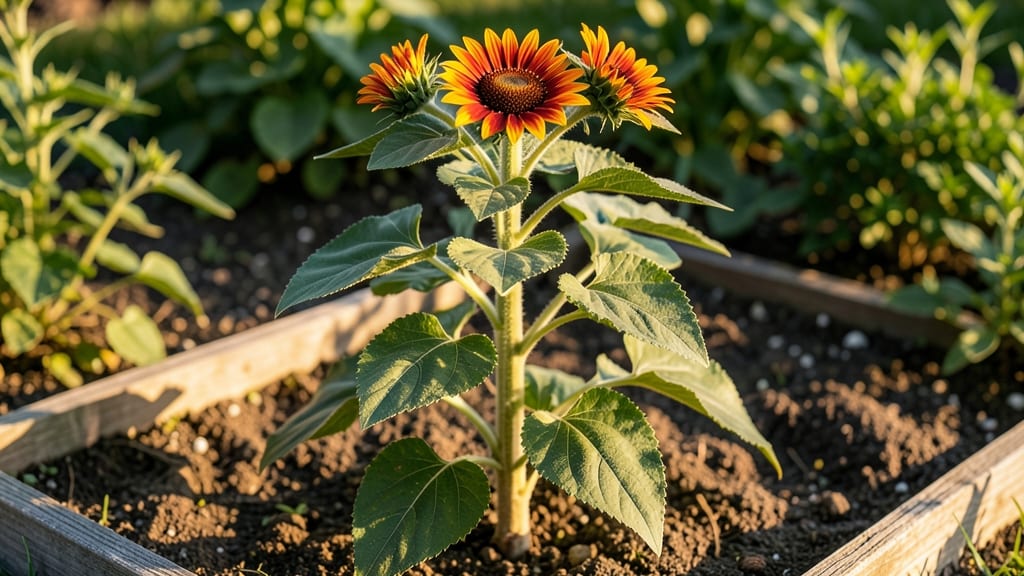
The Mexican sunflower leaf turns crispy not from drought, but from spider mites and fungal infections hiding in plain sight. 🌿 I’ve watched these vibrant plants go from lush to sad in weeks, and the fix is simpler than you’d think—copper spray applied at the right time stops the damage before it starts.
The secret lies in prevention: healthy soil, consistent watering, and regular inspections for those tiny pests. Most gardeners overlook the early signs—yellowing leaves, webbing, or powdery residue—until the damage is done. A weekly copper spray during peak growing season keeps your plants thriving, not just surviving.
You’ll notice the difference within 10-14 days: leaves stay plump, edges stay smooth, and the plant’s golden blooms shine brighter. The spray works on both pests and diseases, making it a two-for-one solution for stress-free care. Works for both ornamental gardens and drought-resistant landscapes.
Here’s how to keep those leaves happy all season long.
📚 In This Guide
- What you need
- Instructions
- Tips and common mistakes
- Wrapping up and next steps
What you need
- ● Copper fungicide or copper sulfate – 1 tbsp (14g) per gallon of water (choose a USDA-approved product like Bordeaux mixture or copper hydroxide)
- ● Water – 1 gallon (3.8L) (distilled or dechlorinated if possible)
- ● Spray bottle or garden sprayer – 16-20 oz (473-591mL) for small plants; 1-2 gallon pump sprayer for larger gardens
- ● Protective gear – Gloves, long sleeves, and safety goggles (copper can irritate skin/eyes!)
- ● Stirring stick or spoon – For mixing (avoid metal if using copper sulfate)
- ● Neem oil (1 tsp per gallon) – Boosts pest-repelling power ✨
- ● Dish soap (¼ tsp) – Acts as a sticker to help the spray adhere better
- ● pH test strips – Ensures your spray is neutral (6.0-7.0) for safety
- ● Label or marker – To tag your spray mix date (use within 1-2 weeks)
How to treat Mexican sunflower leaf damage before it gets worse
Here’s how I stop crispy edges and leaf damage before it spreads—no guesswork, just targeted copper spray techniques.
🌿 Step 1: Identify the Problem Before Spraying
Mexican sunflowers develop crispy edges from fungal infections (like powdery mildew) or pest damage (aphids, spider mites). Check the undersides of leaves first—yellowing, white powder, or tiny webs are your clues. I always start by inspecting new growth because that’s where damage shows up first.
If you see silver or brown crispy patches, it’s likely fungal. If leaves look sticky or speckled, pests are the culprit. Don’t spray yet—wait until you confirm the issue. A 10x magnifying glass helps spot mites or fungal spores you’d miss otherwise.
💧 Step 2: Mix and Apply Copper Spray Correctly
Use 1 tablespoon of copper fungicide per gallon of water (follow the product’s exact ratio). I stir it in a clean spray bottle—never reuse containers that held pesticides or fertilizers. The solution should look uniform blue-green, not clumpy. Shake well before each use; copper settles fast.
Spray early morning or late evening when humidity is high but dew isn’t present. Focus on leaf undersides and stems—most fungal spores and pests hide there. Hold the bottle 6-12 inches away for even coverage. Avoid spraying flowers directly; copper can harm pollinators.
⏰ Step 3: Schedule Applications for Maximum Protection
Apply copper spray every 7-10 days during active growth (spring through early fall). I mark my calendar because consistency matters more than a single heavy dose. After a heavy rain, reapply within 48 hours—copper washes off quickly, and fungal spores take advantage.
Stop spraying 2 weeks before harvest if you’re growing for seed or greens. Copper residues can linger, and while safe in small amounts, it’s better to avoid it entirely at this stage. Monitor leaves for new crispy edges—if they reappear, switch to a neem oil spray for a different defense line.
☀️ Step 4: Adjust Care to Prevent Future Damage
Copper spray works best when paired with proper spacing—Mexican sunflowers need 18-24 inches between plants for airflow. Crowded stems trap moisture, creating the perfect fungal environment. Prune yellow or damaged leaves immediately—don’t wait until they’re crispy and brittle.
Water at the base of the plant, not overhead, and always in the early morning. Wet leaves for long periods invite fungal spores. If your soil drains poorly, amend it with compost or perlite to improve airflow at the roots. Healthy soil = stronger plants that resist damage better.
✂️ Step 5: Harvest and Store Leaves Properly
Pick leaves before crispy edges form—young, tender growth is best for eating. Use clean, sharp scissors to snip stems at a 45-degree angle to encourage new growth. Harvest in the morning after dew dries for the freshest flavor and texture.
Store harvested leaves in a paper towel-lined container in the fridge for up to 5 days. Don’t wash them until right before use—excess moisture speeds up spoilage. If you notice crispy edges on stored leaves, they were already compromised at harvest. Next time, pick earlier!
Tips & tricks for preventing Mexican sunflower leaf damage
Here's what nobody tells you about keeping your Mexican sunflower leaves lush and damage-free—these tricks save time and frustration.
Diagnosis Tip: In Step 1, when you're checking for damage, look for tiny black dots on the undersides of leaves—these are often mite eggs. I use a hand lens to confirm before spraying, because mistaking mite damage for fungal issues leads to wasted copper. The key is catching problems early when they're still small and treatable.
Application Technique: During Step 2, when mixing your copper solution, I add 1 teaspoon of liquid dish soap per gallon (optional but effective). This helps the copper adhere better to leaf surfaces and spreads more evenly. Just make sure to use a mild, plant-safe soap—harsh detergents can burn foliage. Always test on a small leaf first to check for sensitivity.
Timing Secret: The 7-10 day application schedule in Step 3 works best when you track your last spray date. I use a small whiteboard near my garden to mark application dates—it's visible from anywhere. Remember that copper works preventatively, so don't wait until you see new damage to spray again. The 48-hour reapplication rule after heavy rain is critical because copper's protective film gets washed away quickly.
Preventive Care: In Step 4, when adjusting care to prevent future damage, I've found that mulching with straw around the base of plants helps maintain even soil moisture without creating wet leaf conditions. The mulch also insulates roots during temperature swings, which reduces stress that makes plants more susceptible to fungal attacks. Just keep the mulch 2-3 inches away from stems to prevent rot.
Pro Tips for Mexican Sunflower Leaf
- Here's what nobody tells you about keeping your Mexican sunflower leaves lush and damage-free—these tricks save time and frustration.
- Diagnosis Tip: In Step 1, when you're checking for damage, look for tiny black dots on the undersides of leaves—these are often mite eggs.
- Application Technique: During Step 2, when mixing your copper solution, I add 1 teaspoon of liquid dish soap per gallon (optional but effective).
Frequently asked questions
Got questions about Mexican sunflower leaf care?
You’re not alone! Here are answers to the most common concerns—from pests to prevention—so your plants stay lush and healthy.
What pests commonly attack Mexican sunflower leaves, and how do I spot them early?
Look for aphids (tiny clusters on undersides), spider mites (fine webbing), or caterpillars (chewed edges). Check leaves weekly—early signs include yellowing, sticky residue (aphid honeydew), or tiny holes. Act fast with neem oil or insecticidal soap to avoid severe damage.
Why are my Mexican sunflower leaves turning crispy at the edges?
Crispy edges usually mean underwatering or high humidity fluctuations. Ensure soil stays evenly moist (not soggy) and mist leaves lightly in dry climates. If overwatered, yellowing + crispiness may signal root rot—repot in fresh, well-draining soil immediately.
Can I use copper spray on Mexican sunflower leaves if I’m also treating fungal diseases?
Copper spray is safe and effective for both pests (like slugs) and fungal issues (e.g., powdery mildew). Apply at dusk to avoid leaf burn, and reapply every 7–10 days during outbreaks. Pro tip: Mix with a baking soda solution (1 tsp per quart of water) for extra fungal defense!
Are there natural alternatives to copper spray for Mexican sunflower leaf care?
Yes! Try:
- Neem oil (1 tsp + 1 quart water + drop of dish soap): Repels pests and prevents fungal spores.
- Garlic spray (blend 2 garlic cloves + 1 quart water, strain): Natural fungicide and insect deterrent.
- Kaolin clay (1 tbsp per gallon): Creates a protective barrier against pests.
How often should I inspect my Mexican sunflower leaves for pests/diseases?
Check leaves every 3–5 days during growing season (spring–fall) and weekly in winter. Focus on:
- Undersides of leaves (pests love hiding there!).
- New growth (early signs show up fastest).
- Stems and soil surface (for eggs or fungal spores).
Wrapping up and next steps
Caring for your Mexican sunflower leaf doesn’t have to be a battle—just a few proactive steps can keep your plants thriving! 🌱 From copper sprays to proper pruning, you now have the tools to prevent those pesky crispy edges and diseases.
Stay vigilant, and your sunflowers will reward you with vibrant blooms all season.
Ready to take action? Start by inspecting your plants weekly and applying your copper spray at the first sign of trouble. Your garden will thank you!