
Leaf Blower
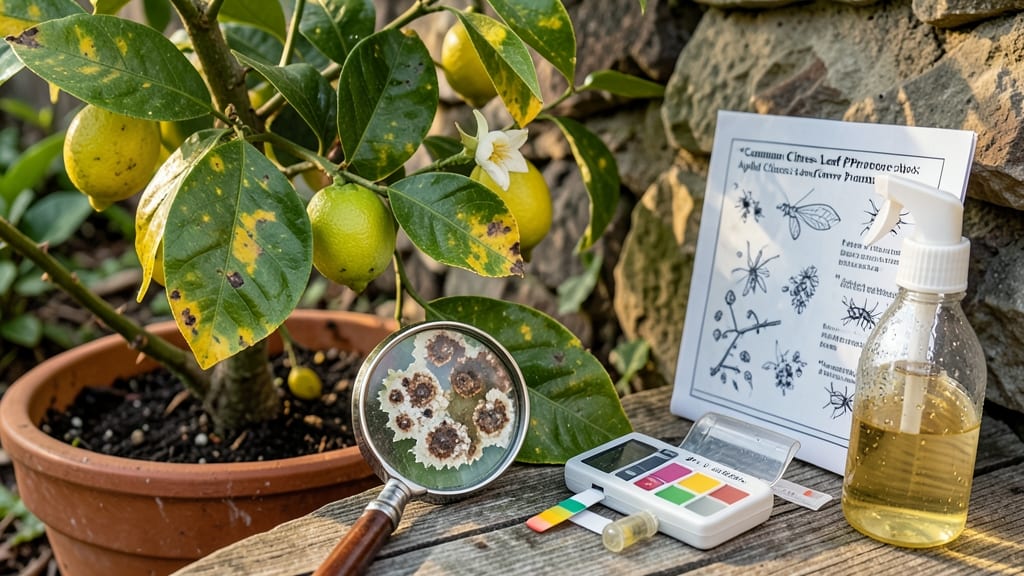
Your lemon tree’s crispy leaf edges are screaming for help—and we’re here to decode the message. 🌿 I’ve seen lemon tree leaf problems pictures turn a thriving citrus tree into a sad, brown-edged shadow, but the fix is simpler than you’d think once you spot the root cause.
The most common culprits are underwatering, over-fertilizing, or fungal infections like powdery mildew. Each leaves distinct clues: crispy edges mean thirsty roots, while yellow spots with white fuzz? That’s your tree’s SOS for help against mildew. The good news?
All three respond to targeted care—once you know what to look for. By the end of this guide, you’ll be able to diagnose leaf issues like a pro and restore your tree’s lush, vibrant foliage in just a few weeks.
No more guessing whether to water more or less—just clear, actionable steps that actually work. Whether your lemon tree lives in a container on your patio or a sunny backyard, these solutions adapt to your setup. Let’s get those leaves healthy again!
Root Causes Of Lemon Tree Leaf Issues
Understanding why your lemon tree’s leaves develop problems like crispy edges, yellowing, or fungal spots starts with identifying the environmental, biological, or cultural stressors at play. Below, we break down the most common culprits—each with a clear scientific explanation and actionable insights to help you diagnose and address the issue.
Lemon trees (Citrus × limon) thrive in USDA Hardiness Zones 9–11, meaning they’re sensitive to both frost damage and intense heat. When temperatures stray outside their ideal range (60–85°F), leaves react with visible distress.
- Why it happens: - Cold damage (below 32°F): Ice crystals form in leaf cells, rupturing membranes and causing brown, crispy edges or blackened patches.
This is often seen after a sudden frost or windburn. - Heat stress (above 95°F): High temperatures increase transpiration (water loss) faster than roots can absorb moisture, leading to scorched leaf tips and wilting.
Prolonged heat also triggers oxidative stress, where excess sunlight produces harmful free radicals. - Sunburn: Young, tender leaves exposed to direct afternoon sun (especially in containers) can develop bleached or necrotic spots due to UV radiation.
- How to spot it:
- Crispy, papery edges on older leaves.
- Leaves curling upward ("cup-shaped") or drooping.
- Symptoms appear suddenly after temperature shifts.
- 💡 Pro Tip: If your tree is in a container, move it to a shadier spot during peak heat (10 AM–4 PM). Use lightweight shade cloth (30–50%) to filter sunlight without blocking airflow.
Lemon trees are drought-tolerant but hate soggy roots, making watering a delicate balance. Improper moisture levels disrupt nutrient uptake and invite fungal pathogens.
- Why it happens: - Underwatering: - Leaves wilt, turn yellow between veins (a sign of chlorosis), and develop brown, crispy edges as cells dehydrate. - Roots struggle to absorb water, leading to nutrient deficiencies (e.g., magnesium or potassium shortages). - Overwatering: - Root rot (from Phytophthora or Fusarium fungi) suffocates roots, cutting off water/nutrient flow.
Leaves may yellow uniformly, then drop prematurely. - Edema (water blisters) forms on leaves when roots can’t absorb excess moisture fast enough, causing transparent, raised bumps that later turn brown.
- How to spot it:
- Underwatering: Dry, brittle soil; leaves feel crispy to the touch.
- Overwatering: Soil stays soggy for >2 days; leaves feel slimy or mushy.
- 🔥 Action Step: Check soil moisture by sticking your finger 2 inches deep—water when it’s dry but not powdery. Use well-draining soil (50% potting mix, 30% perlite, 20% compost) and self-watering pots if you’re inconsistent.
Fungi and bacteria thrive in humid, stagnant conditions, exploiting weak spots (like damaged leaves or poor airflow) to infect your lemon tree.
- Why it happens: - **Citrus Canker (Xanthomonas citri): - Causes water-soaked, yellow lesions that turn dark and crusty.
Leaves may drop prematurely. - Spreads via wind, rain, or contaminated tools. - Powdery Mildew (Erysiphe spp.): - Appears as white, powdery patches on upper leaf surfaces, reducing photosynthesis. - Favored by high humidity (70%+) and poor airflow. - Root Rot (Phytophthora spp.): - Yellowing leaves + stunted growth signal roots are rotting from overwatering or compacted soil. - Alternaria Leaf Spot: - Dark, concentric rings with yellow halos—common in wet, warm climates.
- How to spot it:
- Bacterial canker: Oozing lesions that smell foul when wet.
Lemon trees are heavy feeders and need balanced nutrients (N-P-K) plus micronutrients like magnesium, iron, and zinc. Poor soil or imbalanced fertilizers lead to leaf discoloration and weak growth.
- Why it happens: - Iron Deficiency (Chlorosis): - Yellow leaves with green veins (older leaves first).
Common in alkaline soil (pH >7) or over-fertilized trees. - Iron is immobile in plants, so new leaves can’t access it if old leaves are deficient. - Magnesium Deficiency: - Yellow patches between veins (starting on older leaves), with brown edges.
Magnesium is crucial for chlorophyll production. - Potassium Deficiency: - Scorched, curled leaf edges (especially on new growth). Potassium regulates water and disease resistance. - Zinc Deficiency: - Stunted growth + small, distorted leaves ("little leaf" syndrome). Zinc aids in protein synthesis.
- How to spot it:
- Edge burn: Brown, crispy margins (potassium/zinc).
Sap-sucking insects like aphids, spider mites, and scale weaken leaves by extracting nutrients and transmitting viruses. Their damage creates entry points for secondary infections.
- Why it happens: - Aphids: - Cluster on new growth, causing sticky honeydew (leads to sooty mold, a black fungal growth). - Leaves curl, yellow, and distort. - Spider Mites: - Tiny webs on undersides of leaves + speckled yellowing (from saliva injecting toxins). - Thrive in dry, hot conditions. - Scale Insects: - Bumpy, waxy shells on stems/leaves.
They sap nutrients, causing yellowing and leaf drop.
- How to spot it:
- Fine webbing (mites) or brown bumps (scale).
Fix Your Lemon Tree’s Leaf Issues
Reviving your lemon tree’s health starts with identifying the root cause—and then taking swift, targeted action. Whether it’s crispy edges, fungal spots, or yellowing leaves, each problem has a solution.
Below, we break down practical fixes for common issues, along with prevention tips to keep your tree thriving. Let’s get those leaves back to their vibrant best!
Cause: Too much or too little water stress can cause leaf edges to turn brown and crispy.
How to Treat It: 🔥 Check the Soil Moisture
- Stick your finger 1-2 inches deep into the soil. If it’s dry, water deeply until moisture reaches 6-8 inches down. If it’s soggy, hold off on watering and let the topsoil dry slightly before trying again.
🍳 Adjust Your Watering Routine - Overwatering? Water only when the top 1-2 inches of soil are dry (usually 2-3 times per week in summer, less in winter). - Underwatering? Water slowly and deeply (10-15 minutes per session) to encourage root growth.
Avoid shallow watering, which dries out the top layer too quickly.
👨🍳 Improve Drainage
- If your pot lacks drainage holes, repot your lemon tree into a container with drainage holes and use well-draining soil (a mix of potting soil, perlite, and sand works well).
- Pro Tip: Elevate pots on feet or saucers to prevent waterlogging.
⏰ Monitor Humidity
- Crispy edges can also signal low humidity, especially indoors. Place a humidifier nearby or mist leaves lightly in the morning (avoid evening misting to prevent fungal growth).
Cause: Fungal infections thrive in humid, poorly ventilated conditions, often appearing as white powder, orange rust, or dark spots.
How to Treat It: 🔥 Prune Infected Leaves
- Use sterilized pruners (wipe with rubbing alcohol) to remove and dispose of severely infected leaves. Do not compost them—burn or trash instead.
🍳 Apply Fungicide
- Neem oil solution (1 tsp neem oil + 1 tsp mild soap + 1 quart water) – spray on leaves every 7-10 days until the issue clears.
- Baking soda spray (1 tsp baking soda + 1 quart water + a few drops of soap) – spray undersides of leaves (where fungi often hide).
- Store-bought fungicides (like copper fungicide) for severe cases.
👨🍳 Boost Airflow & Reduce Humidity
- Space plants apart to improve air circulation.
- Water in the morning so leaves dry by evening.
- Use a fan on low setting near the tree to prevent stagnant air.
🌡️ Prevent Future Outbreaks
- Avoid overhead watering—use a drip irrigation system or water at the base of the plant.
- Clean up fallen leaves regularly to reduce spores.
Cause: Yellow leaves often signal overwatering, nutrient deficiency (like iron or nitrogen), or pests like aphids or spider mites.
How to Treat It: 🔥 Test Your Soil
- Use a soil pH test kit—lemon trees prefer slightly acidic soil (pH 6.0-7.0). If too alkaline, amend with sulfur or peat moss.
🍳 Fertilize Properly
- For nitrogen deficiency (yellowing older leaves): Use a balanced citrus fertilizer (6-6-6 or 8-3-9) every 4-6 weeks in growing season.
- For iron deficiency (yellowing new leaves): Apply chelated iron supplement or Epsom salt (1 tbsp per gallon of water) every 2 weeks.
👨🍳 Check for Pests
- Aphids/spider mites? Spray with soapy water (1 tsp mild soap + 1 quart water) or neem oil.
- Scale insects? Scrape off with a soft brush and treat with horticultural oil.
✨ Prevent Recurrence
- Mulch around the base (but keep it 2-3 inches away from the trunk) to retain moisture and nutrients.
- Rotate fertilizer types to avoid soil depletion.
- 💡 Light: Lemon trees need 6-8 hours of sunlight daily. If indoors, place near a south-facing window or use grow lights. - 🌡️ Temperature: Keep in 60-85°F (15-29°C).
Avoid cold drafts or sudden temperature drops. - 🎯 Pruning: Trim dead or crowded branches in late winter/early spring to improve airflow. - 🔄 Repotting: Move to a larger pot every 2-3 years to prevent root-bound stress.
By following these targeted fixes, your lemon tree should bounce back with lush, healthy leaves in no time. Prevention is key—stay vigilant, adjust care as needed, and enjoy your thriving citrus tree! 🍋✨
Frequently asked questions
What do crispy, brown edges on lemon tree leaves mean?
Crispy edges usually signal underwatering or low humidity. Check soil moisture by sticking your finger 1-2 inches deep—if dry, water deeply until moisture reaches 6-8 inches down. For indoor trees, place a humidifier nearby or mist leaves lightly in the morning.
Are white powdery spots on my lemon tree leaves harmful?
Yes, those are signs of powdery mildew, a fungal infection. Prune infected leaves immediately and apply a neem oil spray (1 tsp neem oil + 1 quart water) every 7-10 days. Boost airflow by spacing plants apart and watering at the base, not overhead.
Why are my lemon tree leaves turning yellow between the veins?
This chlorosis often indicates an iron deficiency (common in alkaline soil) or overwatering. Test your soil pH—ideal is 6.0-7.0. For iron deficiency, apply chelated iron or Epsom salt (1 tbsp/gallon water) every 2 weeks. Reduce watering if soil stays soggy.
Can I save my lemon tree if the leaves are dropping?
Leaf drop usually means root rot (from overwatering) or severe pest infestation. First, check roots—healthy roots should be white or light tan. If rotten (black/mushy), repot with fresh, well-draining soil and reduce watering. For pests, use neem oil or soapy water spray. Most trees recover with proper care!
How often should I fertilize my lemon tree?
Use a balanced citrus fertilizer (6-6-6 or 8-3-9) every 4-6 weeks during growing season (spring-fall). Avoid fertilizing in winter when the tree is dormant. For micronutrients, add Epsom salt (1 tbsp/gallon) monthly to prevent magnesium deficiency. Always water before fertilizing!