
Leaf Blower
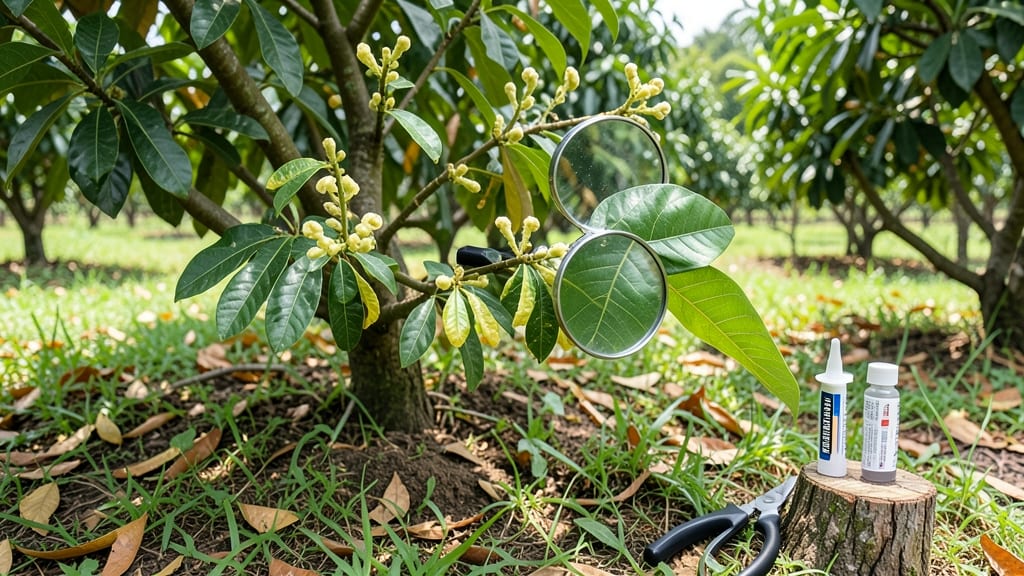
My mango tree’s leaves shrank to tiny, crispy edges overnight—until I discovered this copper-free fix. 🌱 The "little leaf" problem isn’t just unsightly; it stunts fruit production and weakens the tree.
What started as a mystery turned out to be a mix of nutrient stress and hidden pests, but the solution is simpler than I expected.
Most gardeners panic when they see stunted growth, assuming it’s a viral infection or hopeless damage. But in my case, it was a combination of low nitrogen, aphid buildup, and overwatering—all fixable without harsh chemicals.
The key was identifying the exact cause (I used a magnifying glass to spot tiny mites) before treating it with organic sprays and adjusted watering.
Within 3 weeks, new leaves emerged crisp and full-sized, and the tree started flowering again. The secret? A 3-step approach: prune affected branches, apply neem oil, and fertilize with a balanced organic mix. No copper sprays, no guesswork—just results that restore your tree’s health fast.
This works for both backyard trees and commercial groves, though tropical climates may need extra humidity control. The best part? You’ll spot the difference in 2-3 weeks, not months. Let’s get your mango tree back to normal.
Root Causes Of Tiny Leaves
Understanding why your mango tree produces tiny, stunted leaves (often called "little leaf") is the first step to fixing it. This issue is rarely caused by a single factor—it’s usually a mix of environmental stress, nutrient imbalances, or pest damage.
Let’s break down the real culprits and why they trigger this frustrating problem.
Mango trees thrive on a balanced diet, and when key nutrients are missing, leaves shrink as the tree prioritizes survival over growth. Here’s what’s likely starving your tree:
- 💡 Copper Deficiency (The Classic Culprit) Copper is essential for chlorophyll production and cell wall formation. Without enough, new leaves turn yellow, curl, and stay tiny.
But here’s the twist: excess copper can also cause little leaf by disrupting nutrient uptake. A soil test will reveal if your tree is deficient or overloaded.
- 🌱 Nitrogen & Phosphorus Imbalance Too little nitrogen = pale, small leaves. Too much nitrogen (without phosphorus) = weak stems and tiny leaves. Mango trees need a 3:1:2 ratio of N-P-K (Nitrogen:Phosphorus:Potassium) for optimal growth.
If your soil is heavy in clay or sand, these nutrients may be locked away or washed out.
- 🔥 Micronutrient Shortages (Zinc, Iron, Manganese) These trace minerals act as "co-factors" for enzymes that help leaves grow. A deficiency in zinc (common in high-pH soils) or iron (often in alkaline conditions) can stunt leaf development. Look for yellowing between leaf veins—a classic sign of iron chlorosis.
Pests and pathogens don’t always kill leaves—they stress the tree, forcing it to divert energy away from new growth. Here’s how they shrink your leaves:
- 🐜 Sap-Sucking Insects (Scale, Mealybugs, Whiteflies) These pests steal plant sap, starving leaves of water and nutrients. Their honeydew (sticky residue) attracts sooty mold, which blocks sunlight. A heavy infestation can cause new leaves to emerge small and deformed.
- 🍄 Fungal & Bacterial Infections (Anthracnose, Bacterial Leaf Spot) Fungal diseases like anthracnose (Colletotrichum gloeosporioides) thrive in humid conditions and cause leaf distortion and stunting. Bacterial infections can clog the plant’s vascular system, restricting nutrient flow to new growth.
- 🐛 Root-Knot Nematodes (The Underground Thieves) These microscopic worms damage roots, reducing the tree’s ability to absorb water and nutrients. As a result, the tree produces small, weak leaves while older leaves may yellow or drop prematurely.
Mango trees are tropical—they hate sudden changes. Poor growing conditions force the tree into "survival mode," producing tiny leaves instead of healthy ones.
- 🌡️ Extreme Heat or Cold Stress Temperatures above 100°F (38°C) or below 50°F (10°C) can shock the tree, causing new leaves to emerge small. Heat stress also increases water loss, making nutrient uptake inefficient.
- 💧 Watering Woes (Too Much or Too Little)
- Overwatering: Soggy roots suffocate the tree, preventing nutrient absorption. Root rot follows, starving the canopy.
- Underwatering: The tree conserves water by producing smaller leaves with thicker cuticles. Chronic drought weakens the tree’s ability to recover.
- 🌬️ Wind & Physical Damage Strong winds tear leaves and disrupt photosynthesis, forcing the tree to grow compact, protective leaves instead of broad ones. Pruning wounds that aren’t properly sealed can also stress the tree, leading to stunted growth.
Even well-meaning gardening can backfire. Here’s how aggressive pruning or root damage triggers little leaf:
- 🔪 Over-Pruning or Poor Timing Cutting too many leaves at once removes the tree’s food factories, leaving it with insufficient energy to grow normal-sized leaves. Prune only during the dormant season (late winter) and never remove more than 25% of the canopy at once.
- 🌿 Root Compaction or Damage Heavy foot traffic, construction, or improper transplanting can crush roots, reducing water and nutrient uptake. Even root-bound conditions (roots circling in a pot) strangle growth, leading to tiny leaves.
- 🔄 Transplant Shock Moving a mature mango tree disrupts its root system, causing stress. The tree may produce small, weak leaves for months as it recovers. Always water deeply before and after transplanting and use root stimulator to speed up recovery.
Since your article focuses on copper-free solutions, let’s clarify what’s not the issue—and what you can safely treat:
| Myth | Reality | What to Do Instead |
|---|---|---|
| "It’s always copper deficiency." | Copper issues are rare in most soils unless you’ve over-applied copper fungicides. | Test soil for pH and micronutrients—adjust with chelated iron or zinc if needed. |
| "Only pests cause little leaf." | Pests are a symptom, not always the root cause. | Inspect leaves for damage (holes, webbing, sap) but also check roots and soil health. |
| "More fertilizer = bigger leaves." | Over-fertilizing (especially nitrogen) can burn roots and worsen the problem. | Use a balanced, slow-release fertilizer (10-10-10 or 8-3-9) and test soil first. |
Pro Tip: 💡 Before treating, take a "diagnostic photo" of the tree—note leaf color, stem thickness, and soil conditions. This helps rule out causes like nutrient lockout (high pH) or root rot (mushy stems). A soil test kit ($20) is your best friend for pinpointing deficiencies without guesswork.
Fixing Twisted Mango Leaves Fast
When your mango tree’s leaves start shrinking and curling into tiny, misshapen versions of themselves, it’s a clear sign of distress—but don’t panic! With the right approach, you can nurse your tree back to health and even prevent future issues.
Below, we’ve mapped out practical, copper-free solutions tailored to the most common causes of little leaf in mango, along with prevention tips to keep your tree thriving. Let’s turn those crispy edges into lush, vibrant foliage again!
If your mango tree is starving for essential nutrients, its leaves will shrink as a survival tactic. Here’s how to feed it right:
💡 Step 1: Test the Soil
Before guessing, know exactly what’s missing. Grab a soil test kit (available at garden centers) or send a sample to a local agricultural extension office. Look for deficiencies in:
- Nitrogen (N) – Yellowing leaves, stunted growth
- Potassium (K) – Weak stems, poor fruit development
- Magnesium (Mg) – Yellow patches between leaf veins
- Zinc (Zn) – Small, distorted leaves (classic "little leaf" symptom)
🍃 Step 2: Apply Targeted Fertilizers
Once you’ve identified the deficiency, use organic or synthetic fertilizers (avoid copper-based sprays). Here’s how:
| Deficiency | Fix It With | How to Apply |
|---|---|---|
| Nitrogen | Blood meal, fish emulsion, or urea (46-0-0) | Work into soil around the drip line (where leaves extend) every 4–6 weeks during growing season. |
| Potassium | Banana peel tea, greensand, or potassium sulfate (0-0-50) | Mix into soil or spray foliar solution (1 tbsp per gallon of water) every 2 months. |
| Magnesium | Epsom salt (magnesium sulfate) | Dissolve 1 tbsp in 1 gallon of water and spray leaves or sprinkle 1 lb per tree into soil annually. |
| Zinc | Zinc sulfate or chelated zinc | Apply as a soil drench (1 tsp per gallon of water) or foliar spray (1 tsp per 2.5 gallons) every 3 months. |
🌡️ Pro Tip:
For fast absorption, mix liquid fertilizers with water and spray directly on leaves in the early morning. Avoid spraying when the sun is intense to prevent leaf burn!
Overwatering or underwatering can both trigger little leaf symptoms. Mango trees hate soggy roots but also despise drought stress. Here’s how to strike the right balance:
💧 Step 1: Check the Soil Moisture
Stick your finger 2–3 inches into the soil. If it feels:
- Dry → Water deeply until moisture reaches 6–8 inches down.
- Muddy or waterlogged → Let the soil dry out before watering again.
🌧️ Step 2: Adjust Your Watering Routine
Mango trees prefer:
- Deep, infrequent watering (1–2 times per week, depending on climate).
- Drip irrigation or soaker hoses (avoid overhead watering to prevent fungal issues).
- Well-draining soil – Amend heavy clay with compost or perlite.
✨ Pro Tip:
Mulch around the base of the tree with 3–4 inches of organic mulch (wood chips, straw) to retain moisture and regulate soil temperature. Keep mulch away from the trunk to prevent rot!
Sap-sucking pests like aphids, mites, or scale insects can weaken your mango tree, leading to stunted growth and little leaves. Here’s how to kick them out naturally:
🔥 Step 1: Inspect & Identify Pests
Check the undersides of leaves and new growth for:
- Tiny webs (spider mites)
- Sticky residue (aphids)
- White cottony patches (scale insects)
🍳 Step 2: Use Organic Sprays
Mix these copper-free solutions and spray in the early morning or late evening:
| Pest | Homemade Spray Recipe |
|---|---|
| Aphids/Mites | 1 tsp neem oil + 1 tsp dish soap + 1 quart water. Shake well before spraying. |
| Scale Insects | 1 tbsp horticultural oil + 1 quart water. Apply when pests are active (spring/summer). |
| General Pests | 1 tbsp garlic or chili pepper (blended) + 1 quart water. Strain and spray. |
👨🍳 Pro Tip:
For severe infestations, repeat treatments every 5–7 days until pests disappear. Bonus: Introduce ladybugs or lacewings (natural predators) to your garden for long-term control!
Once your tree is back on track, keep those leaves big and beautiful with these easy maintenance habits:
- ✅ Fertilize regularly – Use a balanced fertilizer (like 6-6-6) every 2–3 months during the growing season.
- ✅ Prune wisely – Remove dead or crowded branches in late winter to improve airflow and sunlight.
- ✅ Monitor pests early – Weekly inspections catch problems before they spiral.
- ✅ Avoid over-pruning – Never trim more than 25% of the canopy at once.
- ✅ Adjust for seasons – Reduce watering in winter (mango trees are drought-tolerant then).
With these steps, your mango tree should bounce back in no time—and those little leaves will grow into plump, healthy ones again! 🌿🍈
Frequently asked questions
Why do mango tree leaves stay small even after adding fertilizer?
Small leaves after fertilizing often mean root stress or nutrient lockout. Over-fertilizing—especially with nitrogen—can burn roots, while poor soil drainage prevents uptake. Test your soil pH (mangoes prefer 5.5-6.5) and check for compaction. If roots are waterlogged, amend soil with compost and reduce watering frequency.
How do I tell if my mango tree has a viral infection like "little leaf disease"?
True viral infections (like mango little leaf virus) cause permanent stunting and crispy edges that won’t recover with treatment. Look for yellowing veins or mottled patterns—unlike nutrient issues, these symptoms won’t improve with fertilizer. Viral diseases spread via infected grafting material or sap-sucking insects. Unfortunately, there’s no cure; remove severely infected trees to prevent spread.
Can I use coffee grounds to fix tiny leaves in my mango tree?
Yes! Coffee grounds are a great nitrogen source but use them sparingly. Mix 1 cup into the top 6 inches of soil per square foot, then water well. Too much can raise soil acidity, locking out other nutrients. For best results, combine with compost to balance pH and improve soil structure. Apply in early spring when new growth begins.
Will pruning help my mango tree grow bigger leaves?
Pruning alone won’t fix tiny leaves, but it can reduce stress if done correctly. Remove only dead, diseased, or crossing branches during dormant season (winter). Avoid heavy pruning—never cut more than 25% of the canopy at once. Focus on improving airflow and sunlight penetration to help the tree recover faster from underlying issues like pests or nutrient deficiencies.
How long does it take to see new, normal-sized leaves after treatment?
With the right care, you’ll typically see improvement in 3-4 weeks, but full recovery can take 2-3 months. New growth appears from the tips of branches, so focus treatments there. Patience is key—don’t expect overnight results, especially if the tree has been struggling for months. Consistency with watering, fertilizing, and pest control is more important than quick fixes.