
Pests and Diseases
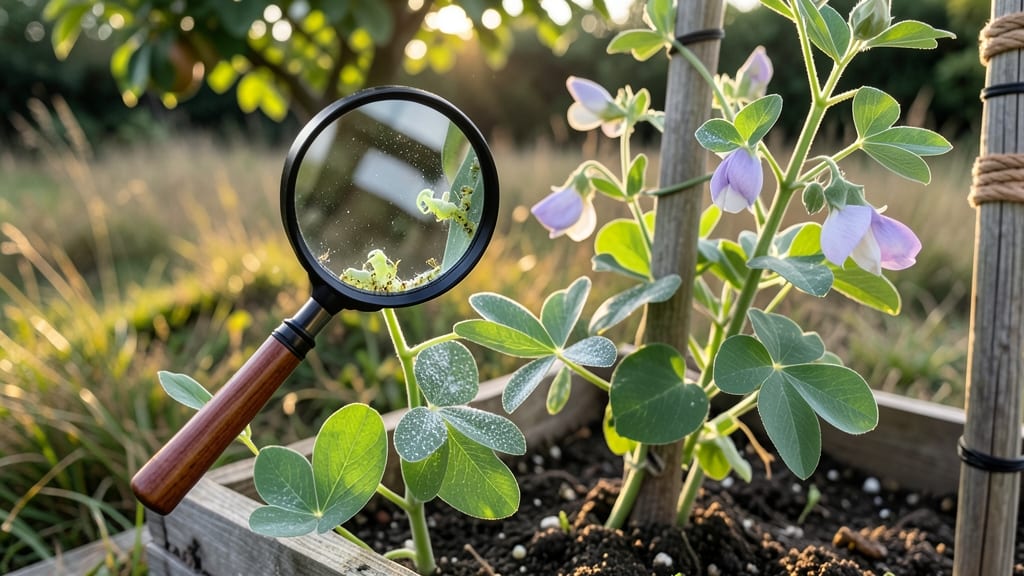
Sweet pea leaf problems like yellowing, spots, or curling can turn your fragrant vines into a gardener’s nightmare faster than you think.
If your sweet pea 🌸 vines are showing yellowing leaves, mysterious spots, or strange curling, you’re not alone—these are common signs your plants are under stress, and the right diagnosis could save your garden.
Fungal diseases, nutrient deficiencies, and pests are the usual culprits, but environmental factors like overwatering or poor drainage can also wreak havoc. The good news? Most issues have simple fixes once you know what you’re dealing with.
In this guide, I’ll walk you through how to identify the most common sweet pea leaf problems, their root causes, and step-by-step solutions to get your plants back on track—plus preventive tips to keep them thriving all season.
Common sweet pea leaf problems: yellowing, spots, and curling explained
Sweet peas are delicate climbers that reward gardeners with fragrant blooms, but their leaves often signal trouble before flowers fade. Yellowing leaves, dark spots, or curled foliage can appear for many reasons—from fungal infections to nutrient shortages.
Identifying the issue early is key to saving your vines, and the first step is understanding what each symptom really means.
I’ve seen gardeners panic when their sweet peas develop yellow patches or mysterious blemishes, only to realize the problem was something simple like overwatering or aphids. The good news?
Most leaf issues have clear visual clues and straightforward fixes. Let’s break down the most common problems, how to spot them, and what’s causing them.
Visual identification is your best tool—examine the leaf color, texture, and pattern of damage. Is the yellowing between veins or scattered randomly? Are spots oily or powdery? These details help narrow down the issue before you reach for treatments. Let’s start with the most frequent culprits in my experience.
| Problem | Visual Clues | Likely Cause | Quick Fix |
|---|---|---|---|
| Yellowing leaves (between veins) | Pale yellow patches, veins stay green | Nitrogen deficiency or overwatering | Add compost; reduce watering |
| Yellowing leaves (edges brown) | Crispy brown edges, yellowing center | Underwatering or high salt buildup | Water deeply; flush soil with rainwater |
| Black or brown spots | Dark, water-soaked spots with yellow halos | Bacterial leaf spot or fungal infection | Remove affected leaves; apply copper fungicide |
| White powdery coating | White, flour-like dust on leaf surfaces | Powdery mildew (fungal) | Spray neem oil; improve airflow |
| Curled or puckered leaves | Leaves curl upward, may have webbing | Aphids or spider mites | Spray soapy water; introduce ladybugs |
| Holes in leaves | Irregular holes, often with frass (chewed bits) | Caterpillars or slugs | Handpick pests; use beer traps for slugs |
| Stunted growth + yellow leaves | Slow growth, small leaves, yellowing | Phosphorus deficiency or root damage | Add bone meal; check for girdling roots |
One of the most misdiagnosed issues I see is yellowing between leaf veins, which often points to a nitrogen deficiency. Sweet peas are hungry feeders, especially during their first 6-8 weeks of growth.
If your soil lacks organic matter, the plant can’t access nitrogen efficiently, leading to that classic chlorotic (yellow) pattern. Test your soil’s pH—sweet peas prefer 6.0 to 7.0—and amend with compost or a balanced fertilizer.
On the other hand, brown crispy edges with yellowing centers usually mean the opposite problem: underwatering or salt buildup from tap water. Sweet peas have moderate water needs—they hate soggy roots but also can’t tolerate drought stress.
If your leaves feel dry to the touch, it’s time to adjust your watering routine. Morning watering is ideal because it gives foliage time to dry before evening, reducing fungal risks.
Fungal diseases like powdery mildew and leaf spot are the sneakiest culprits, especially in humid climates or crowded gardens. Powdery mildew leaves a white, powdery residue on leaves, while leaf spot creates dark, water-soaked patches with yellow borders. Both thrive in poor air circulation, so prune your vines to improve airflow and avoid overhead watering.
Pests like aphids and spider mites often cause leaf curling, but they leave other clues too. Check the undersides of leaves for sticky residue (honeydew) or fine webbing.
Aphids cluster in colonies, while mites are nearly invisible until they spin webs. A strong spray of soapy water or introducing beneficial insects like ladybugs can turn the tide quickly.
Environmental stress—like sudden temperature swings or windburn—can also mimic pest or disease damage. If your sweet peas are near a drafty area or exposed to hot afternoon sun, leaves may develop scorched edges or uneven curling.
Relocating your trellis to partial shade during peak heat can prevent further damage.
Remember, prevention is easier than cure. Healthy sweet peas start with well-draining soil, consistent moisture,
Step-by-step fixes for sweet pea leaf issues based on root cause
Sweet pea leaf problems often have specific causes, and knowing the root issue helps you apply the right targeted fix. Whether it’s fungal infections, nutrient deficiencies, or pest damage, each problem requires a different approach to restore your plants’ health.
Let’s tackle the most common issues with actionable solutions tailored to your sweet peas.
For fungal diseases like powdery mildew or downy mildew, organic treatments are key. These issues thrive in humid conditions and poor airflow, so improving ventilation and using fungicides like neem oil can make a big difference.
If your leaves show yellowing between veins, it might signal a nutrient deficiency, often iron or magnesium.
⚠️ callout-warning ⚠️
Sweet pea leaf issues often worsen quickly. If you spot spots, yellowing, or curling, act fast! Isolate affected plants to prevent spread, and always sterilize pruners with rubbing alcohol between cuts. For fungal infections, avoid watering foliage to reduce humidity.
🌱 Pro Tip: Morning watering prevents fungal growth by allowing leaves to dry quickly.
To fix nutrient deficiencies, amend your soil with organic matter like compost or a balanced fertilizer (10-20-10 ratio). For iron deficiency, apply chelated iron or use Epsom salt (1 tbsp per gallon of water) for magnesium. Always water thoroughly after applying amendments to ensure they reach the roots.
If pests like aphids or slugs are the culprits, use natural remedies first. Aphids can be blasted off with water or treated with insecticidal soap. For slugs, set up beer traps or use diatomaceous earth around the base of plants. Always check the undersides of leaves where pests hide.
For environmental stress, like overwatering or poor drainage, adjust your watering habits. Sweet peas prefer consistent moisture but hate soggy roots. Ensure your containers or garden beds have drainage holes and mulch around plants to retain moisture without waterlogging.
Finally, if leaves are curling due to heat stress, provide afternoon shade, especially in hot climates. Prune nearby plants to improve airflow, and avoid fertilizing during extreme heat, as it can stress the roots further. With these fixes, your sweet peas should bounce back in no time!