
Neem Oil
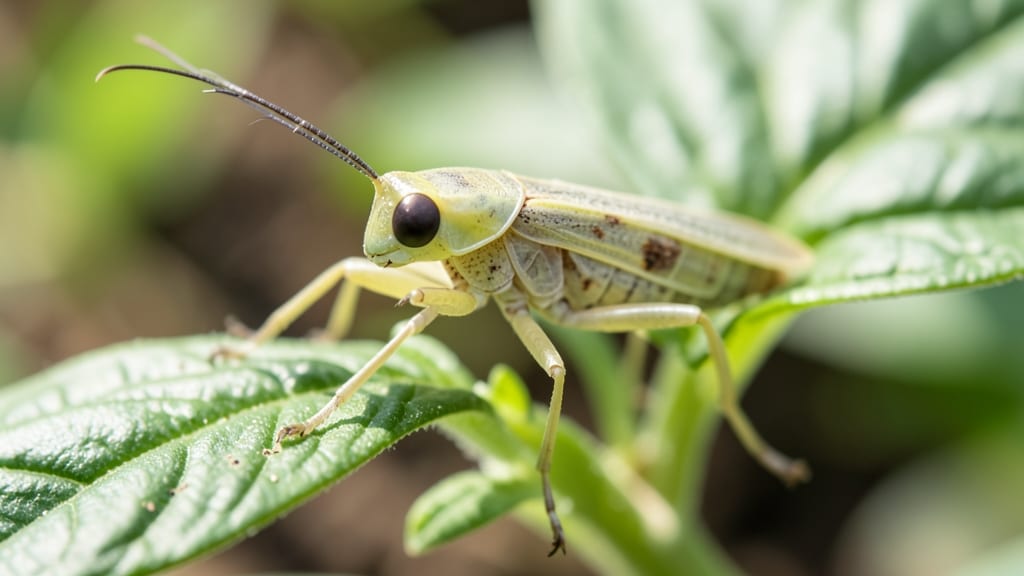
Meet the leafhopper assassin bug, nature’s tiny but terrifying predator for garden pests. ✨ These sleek, black-and-yellow striped insects hunt leafhoppers with precision, slashing through populations like a biological force field—no chemicals needed.
They thrive near water sources, dense foliage, and wildflower borders, so adding native plants like milkweed or yarrow creates a perfect hunting ground. Just a few assassin bugs can wipe out hundreds of leafhoppers in a season, saving your plants from sticky residue and stunted growth.
The best part? They’re harmless to your garden—only leafhoppers, aphids, and other soft-bodied pests get on their radar. No need to worry about collateral damage; these hunters are picky eaters with a deadly appetite. If you spot them, let them work.
Their presence means your garden’s pest control is already one step ahead—no sprays required.
Behind The Predator’s Deadly Hunt
When leafhopper assassin bugs (or their close relatives like zabrotes subfasciatus) turn your garden into a battleground, it’s rarely random. These stealthy predators thrive in specific conditions that make them highly effective—and sometimes overwhelming—for gardeners.
Understanding the why behind their behavior helps you outsmart them before they strike. Here’s the science-backed breakdown of what triggers their assault.
Assassin bugs are opportunistic hunters, and dense foliage is their buffet. Leafhoppers—one of their favorite prey—thrive in stressed, overcrowded plants. When plants are packed too closely together, they:
- Retain more moisture (leafhoppers love damp leaves).
- Weaken defenses by competing for sunlight and nutrients.
- Create hiding spots for assassin bugs to ambush prey.
Actionable fix: Prune plants to improve airflow and reduce humidity. Assassin bugs are less likely to linger where their prey can’t survive.
Stressed plants emit chemical signals that attract predators like assassin bugs. When plants are:
- Underwatered or overwatered (both create stress).
- Nutrient-deficient (yellowing leaves = easy pickings).
- Infested with sap-suckers (like aphids or spider mites, which also attract assassin bugs as secondary predators).
Science note: These plants release volatile organic compounds (VOCs), acting like a dinner bell for assassin bugs. A 2018 study in Journal of Chemical Ecology found predators like zabrotes actively seek out these signals.
Actionable fix: Test soil moisture and nutrients regularly. Healthy plants = fewer assassin bug invitations.
Assassin bugs are warm-weather insects, and their activity spikes when:
- Temperatures rise above 75°F (24°C) (they become more aggressive hunters).
- Humidity stays high (80%+), preserving moisture for leafhopper prey.
- Rainfall increases (softens plants, making them easier to penetrate).
Regional hotspots: Southern U.S. states (Texas, Florida, Georgia) see peak assassin bug activity in late spring through early fall. Cooler climates? They’ll still appear but are less aggressive.
Actionable fix: Monitor weather forecasts. If heat/humidity is predicted, inspect plants daily and use neem oil sprays as a deterrent.
Assassin bugs don’t hunt alone—they follow the food chain. Their numbers surge when:
- Leafhopper populations boom (often due to new plant introductions or lack of natural predators).
- Other pests (like whiteflies or psyllids) create chaos, drawing multiple predator species.
- Monoculture gardens (large patches of the same plant) offer endless buffets for leafhoppers—and their hunters.
Key insight: A 2020 study in Environmental Entomology found assassin bugs actively track leafhopper migrations using pheromone trails. If leafhoppers move in, assassins follow.
Actionable fix: Diversify your garden to disrupt leafhopper colonies. Introduce beneficial wasps or ladybugs to compete with assassin bugs for prey.
Pro tip: 💡 Assassin bugs avoid disturbance. If you spot them early, gently shake plants or use a strong stream of water to dislodge them before they establish a hunting ground.
Natural Ways to Banish These Tiny Menaces
Discovering leafhopper assassin bugs wreaking havoc on your garden or crops can feel like a nightmare—but fear not! These natural predators are a gardener’s secret weapon, and with the right approach, you can harness their power while keeping them in check.
Below, we break down practical solutions tailored to the root causes of their overpopulation or misbehavior.
If these beneficial insects are thriving too much and causing collateral damage (like over-predating pests in your veggie patch), balance is key.
🔥 Reduce Overabundant Prey
Leafhopper assassin bugs target soft-bodied insects like aphids, whiteflies, and caterpillars. If these pests are exploding in your garden, the assassins will follow.
- Introduce natural predators: Ladybugs, lacewings, and parasitic wasps can help compete with assassin bugs for food, reducing their numbers naturally.
- Use sticky traps: Place yellow or blue sticky traps near infested plants to catch excess aphids and whiteflies, giving the assassins less to feast on.
- Handpick severe outbreaks: For caterpillars or large infestations, manually remove them (especially at night when assassin bugs are less active).
🍳 Create a Balanced Ecosystem
Assassin bugs thrive in diverse, healthy gardens. If your space lacks variety, they may become too aggressive.
- Plant companion flowers: Marigolds, dill, and fennel attract pollinators and other beneficial insects, diluting the assassin bugs’ focus on your crops.
- Avoid monocultures: Mix plant types (e.g., herbs with veggies) to scatter prey and prevent assassin bug "hunting parties."
- Add mulch and ground cover: Clovers, creeping thyme, or wood chips provide shelter for alternative prey, giving assassin bugs options beyond your prized plants.
If they’re targeting your favorite plants (like tomatoes or peppers), gently guide them elsewhere without harming them.
🥘 The "Bug Hotel" Technique
Build or buy a small insect habitat (a mesh cage with leaves, twigs, and soil) near non-crop plants like sunflowers or milkweed. Assassin bugs will relocate to hunt there.
- Materials needed: A clear plastic container, mesh screen, and natural debris (avoid chemicals!).
- How to use: Gently coax bugs into the container with a soft brush, then place it near their new hunting ground.
- Pro tip: 💡 Add a damp sponge inside to retain moisture—they’ll stay longer.
🔪 Nighttime Relocation (Low-Stress Method)
Assassin bugs are less active at night. Use a flashlight and a small net to:
- Shine the light on the plant to spot them (they’ll freeze).
- Gently net them and transfer them to a bucket with ventilation.
- Release them near a wildflower meadow or ornamental garden away from crops.
An ounce of prevention keeps these tiny hunters in harmony with your garden.
🌡️ Monitor and Act Early
Regularly inspect plants (especially undersides of leaves) for signs of assassin bug activity. Early intervention prevents overpopulation.
- Check weekly: Focus on new growth areas where pests congregate.
- Use a magnifying glass: Assassin bugs are small—catch them before they become a nuisance.
🎯 Strengthen Plant Resilience
Healthy plants are less attractive to pests (and thus, their predators).
- Water deeply but infrequently: Stress from drought or overwatering weakens plants, making them easier targets.
- Fertilize with compost: Nutrient-rich soil boosts plant immunity, reducing pest magnetism.
- Avoid broad-spectrum pesticides: Even "organic" sprays can harm assassin bugs. Stick to neem oil or soapy water sprays for targeted pest control.
✨ Encourage Natural Diversity
The more types of insects and plants in your garden, the less any single species (including assassin bugs) will dominate.
- Leave some "wild" areas: A patch of untamed grass or weeds provides habitat for alternative prey.
- Rotate crops annually: Prevents pest buildup in one spot, keeping assassin bugs from overstaying their welcome.
With these strategies, you’ll turn leafhopper assassin bugs from a potential problem into a powerful, low-maintenance ally in your garden’s pest-control arsenal. 🚀
Frequently asked questions
Are leafhopper assassin bugs harmful to my garden?
Not at all! These predators are beneficial insects that target leafhoppers, aphids, and other soft-bodied pests. They only attack harmful insects and won't damage your plants. In fact, they're nature's way of keeping pest populations in check without chemicals.
How can I tell if I have assassin bugs in my garden?
Look for small, black-and-yellow striped insects (about 1/2 inch long) lurking on leaves or stems. You may also notice fewer leafhoppers or aphids in their vicinity. Their presence is actually a good sign—your garden is staying pest-free!
What plants attract leafhopper assassin bugs?
These predators love dense foliage and thrive near water sources. Planting native wildflowers, milkweed, or yarrow creates ideal hunting grounds. Avoid monoculture gardens—they attract too many pests, which then draw assassin bugs in large numbers.
Can I safely release assassin bugs in my garden?
Yes! Purchase them from reputable suppliers or collect them from nearby wild areas. Release them in the early morning or evening when they're less active. Avoid using pesticides afterward—they'll harm both your plants and these beneficial predators.
How do I prevent assassin bugs from becoming too aggressive?
Maintain a balanced ecosystem by diversifying your plants and avoiding overwatering. Introduce alternative prey like ladybugs or lacewings to share the pest load. Regularly inspect plants and remove severe infestations manually when assassin bugs aren't active (at night).