
Pests and Diseases
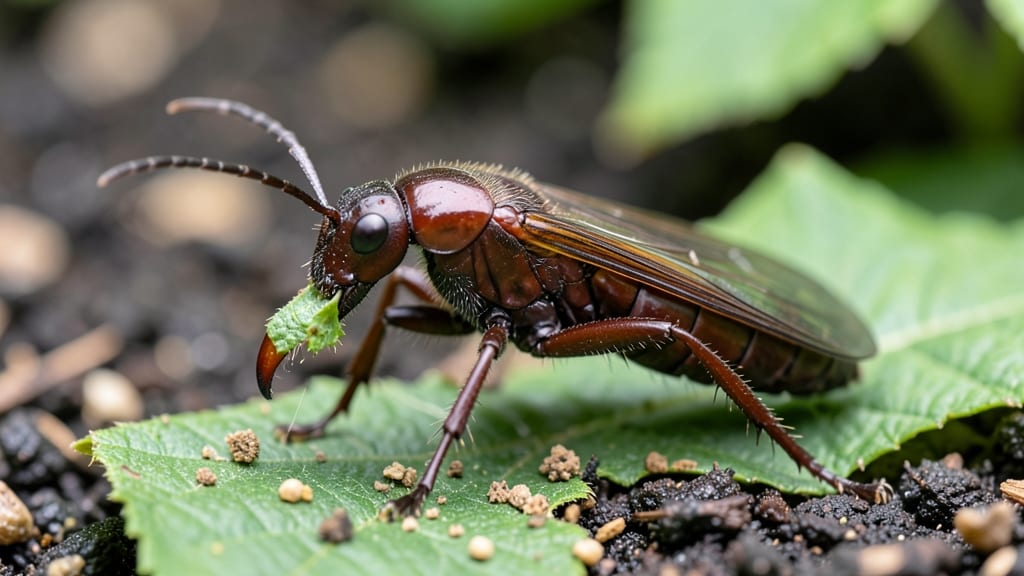
Those leaf cutter bugs are turning your garden’s leaves into perfect rectangles—and it’s not just chewed edges, it’s a full-blown invasion. 🌿 I've battled these pests in my own yard, and the key is acting fast before they turn your prized plants into skeleton leaves.
These tiny invaders don't just damage foliage; they weaken entire plants by cutting leaves to feed their fungus gardens underground.
The damage tells the story: precise rectangular cuts, trails of tiny insects, and sometimes mud tubes along stems. I learned the hard way that waiting too long means more work later—what starts as a few leaves can become a full-blown infestation in weeks.
The good news? You can stop them without harsh chemicals, though some situations might require stronger measures.
With the right approach, you'll see fewer cut leaves within days and stronger plants within weeks. We're talking about sealing entry points, using natural repellents, and protecting vulnerable plants before the bugs even arrive. The methods work for both small containers and large garden beds, making this a versatile solution.
Whether you're dealing with a new infestation or just want to prevent one, this guide gives you the tools to reclaim your garden. Let's get those pests under control before they take over your green space completely.
The Hidden Triggers Behind Leaf Cutting
If you’ve noticed your prized plants looking like they’ve been through a very precise paper-cutting contest, you’re likely dealing with leaf cutter bugs—specifically, the larvae of Atta or Acromyrmex ants. But why do these tiny architects suddenly turn your garden into their personal craft room?
The answer lies in a mix of environmental cues, ecological needs, and even human activity. Let’s break down the science behind their behavior, so you can outsmart them before they strike again.
Leaf cutter ants thrive in warm, humid environments—think tropical or subtropical climates where temperatures stay consistently between 70°F and 90°F (21°C–32°C). These conditions are perfect for their colonies to grow and their larvae to develop. Here’s why:
- Moisture Matters: High humidity (above 60%) keeps their fungus gardens—yes, they farm fungus!—hydrated and prevents mold. Drought-stressed plants release more sugars in their leaves, making them even more appetizing to these pests.
- Warmth Speeds Up Activity: Cooler weather slows them down, but when temperatures rise, their metabolic rate increases. This means more foraging trips and faster colony expansion. 💡 Pro Tip: If you live in a warmer region, monitor your garden closely during summer and early fall—the peak season for leaf cutter ant activity.
- Rainfall Patterns: Frequent, light rains create the perfect moisture balance for their fungus farms. Heavy downpours can temporarily disrupt their tunnels, but they adapt quickly by moving deeper underground.
If your area suddenly feels like a rainforest, don’t be surprised if your ferns and citrus trees start disappearing!
Leaf cutter ants don’t eat leaves—they feed their fungus with chopped vegetation. Their target plants are usually soft, nutrient-rich, and easy to harvest. Here’s what makes your garden a buffet:
| Plant Type | Why They Love It | How to Deter Them |
|---|---|---|
| Young, tender shoots | High moisture and thin cell walls make them easy to cut. | Prune regularly to remove new growth. |
| Citrus, avocado, and banana trees | Sweet, aromatic leaves attract them from miles away. | Apply neem oil or kaolin clay as a barrier. |
| Ferns and ornamental plants | Soft fronds are like leaf cutter ant “fast food.” | Use physical barriers like copper tape around pots. |
| Weak or stressed plants | Drought or disease makes leaves easier to harvest. | Water deeply and fertilize to boost plant health. |
🌡️ Key Insight: These ants are selective. They avoid plants with tough, waxy, or hairy leaves (like rosemary or lavender), so incorporating these into your garden can act as a natural repellent.
Sometimes, the problem isn’t nature—it’s us. Unintentional actions can create the perfect conditions for leaf cutter ants to move in:
- Overwatering or Poor Drainage: Standing water or soggy soil creates ideal nesting spots. These ants love to tunnel in moist, shaded areas—like under mulch piles or near leaky irrigation systems.
- Compost Piles: A well-maintained compost bin can attract them if it’s too rich in green waste (like fresh grass clippings or vegetable scraps). ✨ Pro Tip: Turn your compost frequently and avoid adding large chunks of plant material.
- Firewood or Debris Piles: Stacked wood or garden waste provides shelter and easy access to moisture. Keep these at least 20 feet away from your plants.
- Landscaping with Their Favorite Plants: Planting monocultures (large groups of the same plant) gives them a never-ending supply. 🎯 Actionable Fix: Mix plant species to disrupt their foraging patterns.
Think of leaf cutter ants like uninvited houseguests—they’re drawn to messes we create without realizing it!
Leaf cutter ant colonies can grow to millions of workers in just a few years. When a colony outgrows its food source, it sends out scouts to find new territory. Here’s how overpopulation triggers an invasion:
- Queen’s Longevity: A single queen can live for 15–20 years, continuously laying eggs and expanding the colony. Without intervention, her offspring will eventually spread to nearby gardens.
- Seasonal Swarms: During the rainy season, new colonies bud off from established ones, increasing the local ant population exponentially.
- Lack of Natural Predators: In urban or suburban areas, birds, spiders, and other predators that normally keep ant populations in check are often absent. This gives leaf cutters free rein to multiply.
🔥 Warning Sign: If you see small, winged ants (reproductives) flying around in late summer or early fall, a new colony is about to establish itself nearby. Act fast!
Natural Ways to Stop Garden Invaders
If your plants are under siege by leaf-cutting ants—or the bugs they attract—don’t reach for harsh chemicals right away. These clever pests thrive in warm climates and can wreak havoc on gardens, but with the right strategies, you can reclaim your green space naturally.
Below, we’ll tackle the most common causes of infestations and provide practical, eco-friendly fixes to keep your garden safe.
Leaf-cutting ants (like Atta and Acromyrmex species) don’t just chew leaves—they cultivate fungus farms underground. If you spot trails of tiny ants carrying leaf fragments, they’re likely feeding a fungal colony. Here’s how to disrupt their operation:
🔥 Step 1: Locate and Destroy the Nest
- Signs of a nest: Look for mud tunnels (like tiny trenches) leading into the ground or swarm activity at dawn/dusk.
- How to find it: Follow the ant trails—most nests are 1–3 feet deep but can stretch up to 20 feet in mature colonies.
- Kill the queen: The colony’s survival depends on her.
Use a long-handled shovel to dig out the nest (wear gloves!). Pour boiling water or soapy water (1 tbsp dish soap per gallon) directly into the chambers to drown the ants and larvae.
🍳 Step 2: Use Baiting Traps (Non-Toxic)
Ants are attracted to protein and sugar, but the wrong bait can harm pets or pollinators. Instead, try: - Borax or diatomaceous earth bait: Mix 1 part borax with 3 parts sugar and a little water to form a paste.
Place small amounts near trails. Ants carry it back to the nest, killing the colony over 2–3 days. - Orange oil or neem oil: These disrupt their pheromone trails. Spray undiluted orange oil (10% concentration) along entry points—ants avoid it and get confused.
👨🍳 Step 3: Disrupt Their Fungus Farm
Since they rely on fungus, starve them out:
- Remove all leaf litter near the nest site (they’ll reuse it).
- Apply beneficial nematodes (Steinernema carpocapsae) to the soil—they target ant larvae without harming plants.
Wait—bugs, not ants? Some gardeners confuse leaf-cutting ants with leaf-cutting beetles (like the Chrysomelidae family) or leafroller caterpillars, which also chew leaves but don’t farm fungus. Here’s how to handle them:
🔪 Step 1: Manual Removal (Best for Small Infestations)
- Handpick larvae: Check under leaves for greenish, worm-like critters (leafroller caterpillars).
Drop them in soapy water. - Shake plants: For beetles, gently shake plants over a bucket of soapy water in the early morning when they’re sluggish.
🌡️ Step 2: Introduce Natural Predators
- Ladybugs, lacewings, or parasitic wasps love to eat leaf-cutting beetle larvae.
Buy them online or attract them with dill, fennel, or marigolds. - Birds and toads also help—install a bird feeder or create a small toad habitat (a shallow dish of water with rocks).
✨ Step 3: Use Physical Barriers
- Row covers: Lightweight fabric over young plants blocks adult beetles from laying eggs.
- Sticky traps: Place yellow sticky cards near plants to catch flying adults.
Once you’ve dealt with the infestation, stop future attacks with these low-effort strategies:
💡 Pro Tip: Garden Like They Hate It
Leaf-cutting ants and bugs avoid certain plants and conditions.
Try: - Plant ant-repellent herbs: Basil, mint, and lemongrass confuse their scent trails. - Avoid overwatering: Ants love moist soil—keep drainage sharp and use gravel in garden beds. - Mulch with citrus peels or coffee grounds: The strong scent deters them.
🎯 Long-Term Defense
- Rotate crops: If you grow susceptible plants (like citrus or roses), space them out so ants can’t find a buffet.
- Keep grass short: Ants use tall grass as cover—mow regularly to make your yard less inviting.
- Use nematodes seasonally: Apply beneficial nematodes (Heterorhabditis bacteriophora) in early spring and fall to prevent reinfestation.
| Problem | Solution | Prevention |
|---|---|---|
| Ant fungus farms | Boiling water + borax bait | Plant mint, keep soil dry |
| Leaf-cutting beetles | Handpick + ladybugs | Yellow sticky traps, row covers |
| Caterpillar larvae | Soapy water + nematodes | Encourage birds, remove leaf litter |
| Reinfestation | Orange oil sprays + nematodes | Mulch with citrus peels, rotate plants |
By combining targeted attacks on nests with preventive gardening, you can eliminate leaf-cutting pests without harming your plants—or the planet. 🌱🚫🐜 Start with one method, monitor progress, and adjust as needed. Your garden will thank you!
Frequently asked questions
What do leaf cutter bugs look like up close?
Leaf cutter ants are small (about 1/4 inch long) with a dark brown or black body and a distinctive head that looks like a tiny axe. The workers have straight antennae and carry leaf fragments that are perfectly rectangular—their signature "crafting" style. Look for their mud tunnels along stems or trails leading to underground nests.
How can I tell if my damage is from leaf cutter ants vs. other pests?
Leaf cutter ants create precise rectangular cuts in leaves, while other pests like beetles or caterpillars leave irregular holes or jagged edges. Another clue: if you see tiny ants carrying leaf pieces or mud tubes on stems, it’s definitely leaf cutters. Beetles or caterpillars won’t build nests or farm fungus underground.
Will vinegar or lemon juice kill leaf cutter ants?
While vinegar or lemon juice can disrupt ant trails temporarily, they won’t kill the colony. These ants avoid the strong smells, but they’ll just find another path. For real results, use borax bait (1 part borax + 3 parts sugar) or orange oil—both target the nest directly. Vinegar works better for cleaning trails afterward.
Are leaf cutter ants dangerous to humans or pets?
Leaf cutter ants are not aggressive toward humans or pets and won’t bite unless provoked. However, their nests can be 1–3 feet deep, so digging them out requires caution. If you have dogs, keep them away from treatment areas until solutions (like boiling water or borax) are fully absorbed into the soil.
How long does it take to see results after treating a nest?
With borax bait, you’ll see a noticeable decline in activity within 2–3 days as workers carry the poison back to the nest. For boiling water treatments, results appear in 24–48 hours as the colony weakens. Repeat treatments may be needed for large nests, but most gardens see improvement within 1 week.