
Pests
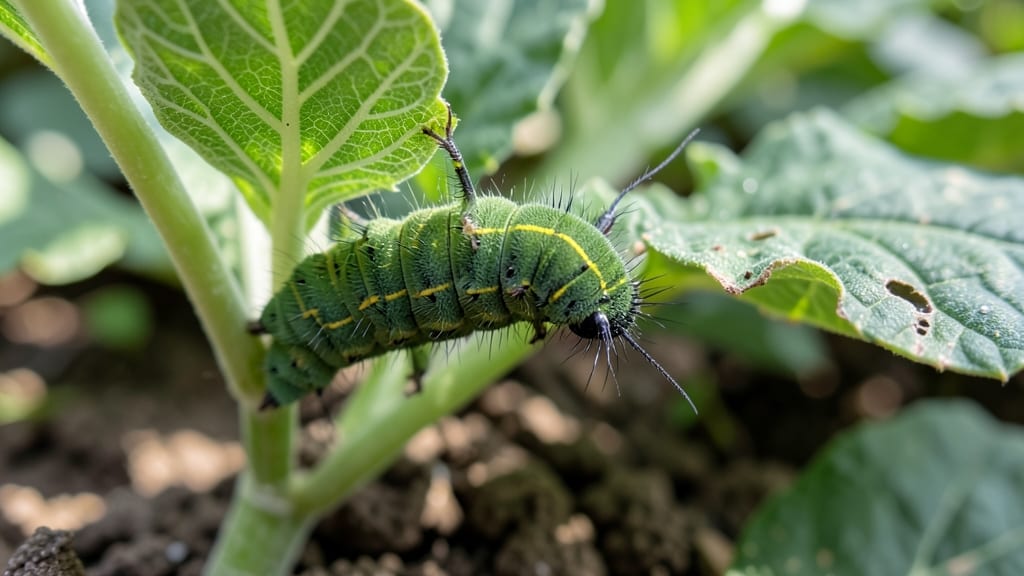
Those leaf-eating caterpillars turning your cabbage leaves into Swiss cheese? Those voracious munchers multiply faster than weeds if you ignore them. 🌿 I’ve battled everything from tomato hornworms to tent caterpillars, and the key is acting before they skeletonize your plants. The good news?
You don’t need harsh chemicals to win. Most gardeners panic when they spot the damage, but caterpillars follow a predictable pattern: they start small, hide in leaf folds, and explode in numbers by midsummer. The first sign?
Tiny holes or ragged edges on leaves—don’t wait for the full-blown defoliation to strike. A quick scouting session in the morning (when they’re sluggish) reveals their hiding spots, and that’s when organic control works best.
What you’ll end up with is a garden where caterpillars are a minor annoyance, not a season-ending crisis. Your brassicas, tomatoes, and fruit trees stay lush, and you skip the chemical spray that harms bees and butterflies. The secret?
A mix of manual removal, natural predators, and targeted sprays—all without sacrificing your harvest. Works for home gardens, container plants, and even balcony setups. Here’s how to outsmart them before they outgrow you.
The Hidden Triggers Behind Leaf Munching
Caterpillars aren’t just tiny, fuzzy pests—they’re nature’s efficient recyclers, but when they strip your plants bare, it’s a sign something’s off. Understanding why they’re feasting can help you outsmart them before they cause real damage. Here’s the science behind their leafy appetites, broken down into the most common causes.
When plants grow too close together, they become stressed—just like you’d feel in a packed elevator. Poor air circulation weakens leaves, making them softer and more appealing to caterpillars.
These pests thrive in dense foliage because: - Less sunlight reduces plant resilience, making leaves easier to chew. - Higher humidity (from crowded plants) creates the perfect breeding ground for moths and butterflies—the caterpillars’ parents. - Sap-rich leaves (a caterpillar’s favorite) develop when plants compete for nutrients.
Actionable fix: Prune regularly to improve airflow, and space out young plants to reduce stress.
Plants with nutrient deficiencies or excess fertilizers become caterpillar magnets.
Here’s how: - Nitrogen-heavy soils produce tender, fast-growing leaves that caterpillars love (think of them as junk food for bugs). - Phosphorus or potassium deficiencies weaken plant defenses, making leaves easier targets. - Synthetic pesticides can kill beneficial predators (like ladybugs) that would otherwise keep caterpillar populations in check.
Actionable fix:
- Test your soil and balance nutrients with organic amendments like compost or worm castings.
- Avoid over-fertilizing—slow, steady growth = tougher leaves.
Caterpillars don’t just appear—they’re the larvae of moths and butterflies, and mothers know exactly where to lay eggs.
They target plants that: - Are already stressed (from drought, disease, or poor soil). - Have soft, new growth (like young leaves or flowers). - Are native to their region (many species have specific host plants).
Actionable fix:
- Remove egg masses (tiny clusters on undersides of leaves) with a soft brush or soapy water.
- Disrupt breeding cycles by hand-picking caterpillars before they pupate.
Extreme weather—whether too hot, too cold, or too wet—throws ecosystems off balance. Caterpillars exploit these shifts:
- Unseasonably warm winters let moths survive and reproduce earlier.
- Heavy rains wash away natural predators (like birds or parasitic wasps).
- Drought-stressed plants produce weaker leaves, making them easier prey.
Actionable fix:
- Mulch heavily to stabilize soil moisture and reduce stress.
- Encourage predator habitats (like birdhouses or native plants) to bring back balance.
In a healthy garden, caterpillars are kept in check by:
- Birds (who snack on them like nature’s fast food).
- Parasitic wasps (that lay eggs inside caterpillars).
- Ground beetles and spiders (that ambush them on leaves).
When these helpers disappear—due to pesticides, habitat loss, or climate change—caterpillars multiply unchecked.
Actionable fix:
- Skip chemical sprays and opt for neem oil or soapy water instead.
- Plant pollinator-friendly flowers to attract wasps and bees that control pests naturally.
Some caterpillars have explosive population booms at certain times of year. For example:
- Tent caterpillars peak in early spring when buds are fresh.
- Tomato hornworms surge in summer when tomato plants are lush.
- Fall webworms hit in late summer as trees prepare for dormancy.
Actionable fix:
- Monitor high-risk plants during peak seasons and act fast.
- Use row covers on young plants to block egg-laying moths.
Pro Tip: 💡 The key to stopping caterpillars isn’t just reacting—it’s preventing the conditions that attract them in the first place. Healthy plants, balanced ecosystems, and a little early intervention go a long way!
How to solve it
Discovering your garden or prized plants being devoured by leaf-eating caterpillars can feel like a frustrating battle—but don’t worry! With the right approach, you can reclaim your greenery without resorting to harsh chemicals.
Below are targeted solutions tailored to common causes, from manual removal to natural deterrents. Each method is designed to be effective, eco-friendly, and easy to implement.
If you’ve spotted a few hungry caterpillars munching away, the simplest solution is to remove them by hand. This method is perfect for early-stage damage and requires no tools beyond your fingers (or a pair of gloves if you’re squeamish!).
- 👨🍳 When to use: Ideal for small outbreaks (under 10 caterpillars) or isolated plants.
- 🔪 How to do it:
- Inspect leaves daily, especially the undersides where caterpillars hide.
- Gently pluck caterpillars off and drop them into a bucket of soapy water (this kills them instantly).
- Check for eggs or pupae—scrub them off with a soft brush or wipe with neem oil.
- ⏰ Time commitment: 5–10 minutes per plant, 2–3 times a week during peak season.
- 💡 Pro tip: Do this early in the morning when caterpillars are sluggish and easier to spot.
Instead of fighting caterpillars head-on, encourage their natural predators to move in! Birds, parasitic wasps, and beneficial insects like ladybugs and lacewings feast on caterpillars without harming your plants. This is a long-term, low-effort strategy that builds a balanced ecosystem.
- 📊 How to attract predators:
- 🐦 Install birdhouses and provide shallow water sources to attract insect-eating birds like chickadees and wrens.
- 🌱 Plant companion flowers such as dill, fennel, or marigolds to lure parasitic wasps and predatory insects.
- 🌿 Avoid broad-spectrum pesticides—they kill beneficial bugs along with pests.
- ⏳ Effectiveness: Takes 1–2 weeks to see results, but once established, it’s a sustainable solution.
- ✨ Bonus: Your garden will thrive with fewer pests overall as the predator population grows.
For larger infestations, organic sprays create a protective barrier that deters caterpillars without chemicals. These are non-toxic to humans and pets but unpleasant for pests. Rotate between a few options to keep caterpillars guessing!
| Spray Type | How to Use | Reapply Every |
|---|---|---|
| Neem Oil | Mix 1–2 tbsp neem oil + 1 tsp mild soap in 1 quart of water. Spray leaves thoroughly, focusing on undersides. | 7–10 days (or after rain) |
| Bacillus thuringiensis (Bt) | Sprinkle or spray Bt powder on leaves. Caterpillars ingest it and stop eating within hours. | 1–2 weeks (or after heavy rain) |
| Spinosad | Dilute according to package instructions and spray directly on caterpillars and leaves. | 7–14 days |
💡 Pro tip: Spray in the early morning or late evening to avoid harming bees and other pollinators. Always test sprays on a small leaf first to check for sensitivity.
For delicate or high-value plants, physical barriers are a foolproof way to block caterpillars entirely. This method is especially useful for seedlings, young trees, or plants with tender leaves.
- 🍳 Materials to use:
- Floating row covers (lightweight fabric) draped over plants to prevent egg-laying and feeding.
- Copper tape wrapped around stems to deter crawling caterpillars (they dislike the texture).
- Aluminum foil collars placed around tree trunks to stop climbing pests.
- ⏰ Setup time: 10–15 minutes per plant, but it lasts the entire growing season.
- 🌡️ Best for: Vegetable gardens, young fruit trees, or ornamental plants like roses.
The best defense is a strong offense. By implementing these preventive measures, you’ll make your garden less appealing to caterpillars before they even arrive.
- 🌿 Garden hygiene:
- Remove fallen leaves and debris where caterpillar eggs hide.
- Prune plants regularly to improve airflow and reduce hiding spots.
- 🌱 Plant selection:
- Choose caterpillar-resistant varieties (e.g., Bt-treated seeds or heirloom tomatoes like 'Cherry').
- Avoid planting monocultures—diverse plants confuse pests.
- 🕰️ Timing matters:
- Monitor plants closely in spring and early summer, when caterpillars are most active.
- Set up traps (like pheromone lures) to catch adult moths before they lay eggs.
- 🌡️ Soil health:
- Healthy soil = healthy plants. Use compost and organic fertilizers to boost plant resilience.
Frequently asked questions
What are the most common types of leaf-eating caterpillars in gardens?
The most destructive species include tomato hornworms (green with yellow stripes), cabbage loopers (green with white stripes), tent caterpillars (silky tents on branches), and fall webworms (white with black spots). Each targets specific plants—hornworms love tomatoes, while loopers attack brassicas.
How do I know if caterpillars will kill my plants?
Most plants survive light caterpillar damage, but heavy feeding (50%+ leaf loss) stresses them. Young plants or those already struggling (from drought/poor soil) are most at risk. Watch for wilting, stunted growth, or holes expanding daily—these are red flags to act fast.
Are there caterpillars that actually help my garden?
Yes! Monarch caterpillars (orange/yellow striped) feed only on milkweed, and swallowtail caterpillars (green with eye spots) target dill and parsley. These species are beneficial—plant their host plants to support butterflies while keeping pests in balance.
Why do caterpillars seem to appear overnight?
They don’t! Eggs laid by moths hatch in 3-7 days, and caterpillars grow rapidly. Check leaf undersides daily in spring/summer—you’ll often spot tiny eggs (round/oval clusters) before the caterpillars emerge. Early detection is key to prevention.
Can I use coffee grounds to repel caterpillars?
Yes, but it’s temporary. Sprinkle used coffee grounds around plant bases—the caffeine scent deters some species for 24-48 hours. For lasting protection, combine with neem oil sprays and remove caterpillars manually. Reapply after rain.