
Pests and Diseases
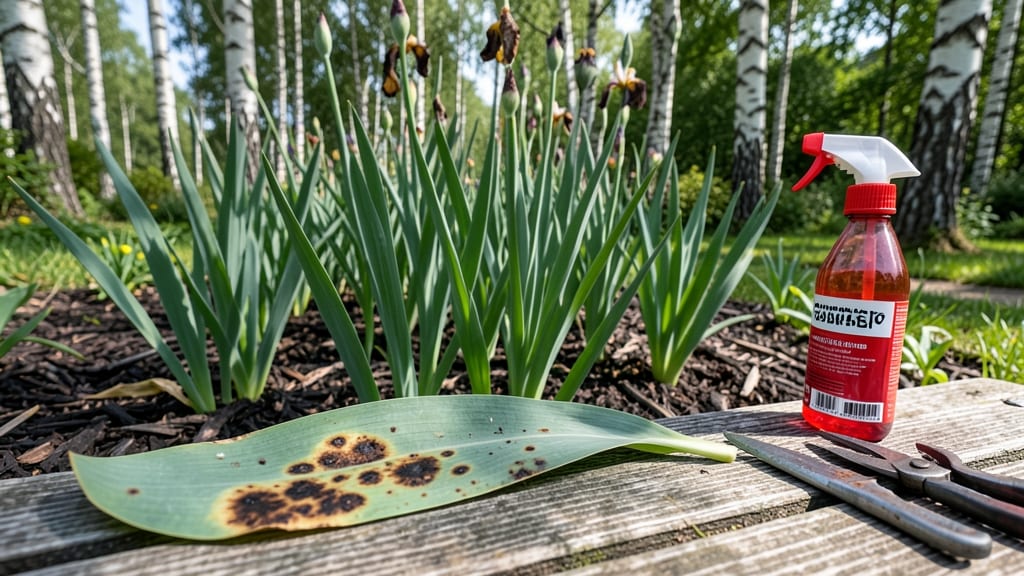
That brown, crumbling mess on your iris leaves isn’t just ugly—it’s leaf spot, a fungal blight that spreads faster than you’d think. 🌿 I’ve battled it three seasons running, and organic copper spray isn’t just a fix—it’s the game-changer that saves your plants while keeping your garden chemical-free.
The key? Spotting it early, when those first dark spots appear, before the leaves turn to Swiss cheese.
Most gardeners mistake leaf spot for nutrient deficiency or even sunburn, but the giveaway is those target-shaped brown patches with yellow halos. Overhead watering and crowded foliage make irises especially vulnerable, but the good news?
Copper spray disrupts the fungal cycle without harming bees or soil life. You’ll see new growth pushing through within 2-3 weeks of consistent treatment—no more weak, ragged leaves by summer.
Here’s the secret weapon: a homemade copper fungicide (copper sulfate + water + a drop of dish soap) applied at dusk when humidity peaks. The spray sticks to leaves, creating a protective barrier that stops the fungus in its tracks.
Pair it with proper spacing and bottom-watering to keep foliage dry, and you’ll break the cycle for good.
Even if your irises look like they’ve been through a war, don’t toss them—prune the worst damage, treat aggressively, and you’ll have bold, healthy blooms next season. The first spray is the hardest part; after that, it’s just maintenance. Let’s get those leaves fighting back.
Root Causes Of Iris Leaf Spots
If your irises are developing unsightly brown or black spots on their leaves, the issue likely stems from a mix of fungal pathogens, environmental stressors, and garden maintenance oversights. Understanding why these spots appear is the first step to preventing them—especially when using organic, copper-based treatments.
Below, we break down the key culprits behind leaf spot infections in irises, backed by science and actionable insights.
The most common cause of iris leaf spots is fungal infection, with Drechslera iridis (formerly Bipolaris) and Pseudopeziza iris being the top offenders. These fungi thrive in moist, humid conditions and spread via wind, water splashes, or contaminated tools.
How it works:
- Spores land on iris leaves, often through rain, overhead irrigation, or even morning dew.
- Under warm (60–80°F), damp conditions, spores germinate and penetrate leaf tissue.
- The fungus feeds on plant cells, breaking down chlorophyll and causing necrotic (dead) spots.
- If left unchecked, lesions expand, disrupting photosynthesis and weakening the plant.
💡 Pro Tip: Fungal spores can overwinter in old leaf debris or soil, so cleanup is critical—more on that in prevention strategies!
Fungi don’t act alone—environmental factors create the ideal breeding ground for leaf spots. Irises are particularly vulnerable when:
| Factor | Why It Matters | Actionable Fix |
|---|---|---|
| ⛅ High Humidity | Fungi love moisture. Humidity >70% for prolonged periods keeps spores active and infectious. | Improve airflow with spaced planting or prune nearby dense foliage. |
| 💦 Overhead Watering | Water droplets splash spores onto leaves, accelerating infection. | Switch to drip irrigation or water at the base early in the day for faster drying. |
| 🌡️ Cool, Wet Springs | Spring is peak season for Drechslera—cool temps + leaf wetness = fungal feast. | Apply copper fungicide preventatively in early spring before spores activate. |
| 🍂 Poor Drainage | Waterlogged soil stresses irises, making them more susceptible to fungal attacks. | Amend soil with compost or sand to improve drainage. |
✨ Key Insight: Even resistant iris varieties (like ‘English Heritage’ or ‘Purdue’) can succumb if environmental conditions favor fungi. Monitor humidity and adjust care accordingly!
Healthy irises resist fungal attacks better than stressed ones. Common stressors that lower resistance include:
- Nutrient deficiencies (e.g., low nitrogen or potassium): Weakens cell walls, making leaves easier targets.
- Physical damage (e.g., hail, pests, or rough handling): Open wounds let fungi enter tissue directly.
- Crowded planting: Reduced airflow traps moisture and spores between leaves.
- Improper pruning: Leaving old, diseased leaves over winter provides a fungal food source.
🔥 Prevention Hack: Conduct a soil test in fall to check pH and nutrients. Irises prefer slightly acidic to neutral soil (pH 6.0–7.0)—adjust with lime or sulfur if needed.
Sometimes, gardening practices accidentally introduce or spread leaf spot. Common mistakes include:
- Reusing contaminated tools: Pruners or knives carrying fungal spores can infect healthy plants.
- Composting infected debris: Fungal spores survive composting—burn or bag diseased leaves instead.
- Ignoring early signs: Small spots often go unnoticed until they merge into large lesions.
- Planting in infected soil: Fungi can persist for years in garden beds.
🎯 Critical Step: Always sterilize tools with rubbing alcohol (70%+) between cuts, and remove all infected foliage before composting.
Fixing Fungal Iris Spots Naturally
Fungal leaf spot on irises doesn’t have to mean the end of your garden’s beauty—with the right approach, you can revive your plants and prevent future outbreaks. Below, we’ve mapped out practical, organic solutions tailored to the root causes of leaf spot, from fungal buildup to environmental stressors.
Each fix is designed to be easy to implement, even for busy gardeners.
Cause: Fungal spores spread when infected leaves remain in the soil or garden. Fix:
- Snip and toss leaves with dark spots, yellowing, or holes—do not compost them (they’ll reinfect your garden).
- Use sterilized pruners (wipe with rubbing alcohol between cuts) to avoid cross-contamination.
- Pro tip: 💡 Bag the clippings in a sealed plastic bag before disposal to contain spores.
Cause: Overly dense plantings or soggy soil create the perfect fungal breeding ground. Fix:
- Space irises 12–18 inches apart to allow air to circulate (fungi thrive in humidity).
- Aerate the soil by gently loosening it around the base with a fork—never disturb rhizomes (they’re sensitive!).
- Raised beds or mounds can help if your garden drains poorly. Add sand or perlite to heavy clay soil to improve drainage.
Cause: Fungal spores need moisture and warmth to germinate—copper disrupts their lifecycle. Fix:
- Spray irises with an organic copper fungicide (like copper sulfate or copper octanoate) at the first sign of spots.
- When to spray: Early morning or late evening (avoid direct sunlight, which can burn leaves).
- How often: Every 7–10 days during wet seasons or after heavy rain.
- Mix it right: Follow label instructions—typically 1 tbsp per gallon of water for a preventative spray.
- Pro tip: 🌡️ Wait 24 hours after watering before applying copper to avoid washing it off.
Cause: Wet leaves for long periods (from overhead watering or poor drainage) invite fungal growth. Fix:
- Water at the base using a soaker hose or drip irrigation—avoid wetting foliage.
- Water early in the day so leaves dry quickly (fungi love dampness).
- Mulch properly: Use 2–3 inches of organic mulch (straw or shredded leaves) to keep soil moist but not soggy.
Cause: Weakened irises (from poor nutrition or stress) are more susceptible to infections. Fix:
- Feed with compost or worm castings in early spring to strengthen roots.
- Add mycorrhizal fungi (available as a powder) to improve nutrient uptake.
- Avoid over-fertilizing with nitrogen—it encourages lush, soft growth that’s prone to disease.
Cause: Fungal spores can overwinter in soil or debris—stay one step ahead. Fix:
- Preventative spray schedule:
- Early spring (before blooms): Copper fungicide + neem oil (1 tsp per quart of water) to deter spores.
- After rain or storms: Reapply copper spray as a shield.
- Clean up debris in fall—remove old leaves, spent blooms, and mulch from around irises.
Cause: Repeatedly planting irises in the same spot without care leads to fungal buildup. Fix:
- Avoid planting irises in the same location for 3+ years—rotate them to fresh soil.
- Interplant with resistant companions like lavender, rosemary, or alliums to improve airflow.
- Test your soil (pH 6.0–7.0 is ideal for irises)—amend with lime if too acidic.
Final Pro Tip: ✨ Monitor your irises weekly during growing season. Catching leaf spot early means less cleanup and healthier plants! With these steps, your irises will bounce back—and stay spot-free for seasons to come.
Frequently asked questions
Why do some iris leaves get spots while others in the same garden stay healthy?
Fungal spores spread unevenly due to airflow and moisture exposure. Leaves closer to dense foliage or shaded areas stay wet longer, creating perfect conditions for Drechslera iridis to thrive. The healthiest irises often grow where airflow circulates best—try spacing plants 12–18 inches apart to even out risk across your garden.
Can I still use my irises for cut flowers if they have leaf spot?
Yes, but with caution. Cut flowers won’t spread the fungus to your vase, but avoid placing them near healthy plants. Remove any spotted leaves before arranging—this keeps your bouquet looking fresh while preventing accidental spread through water droplets.
How long does it take for copper spray to show results on infected irises?
You’ll typically see new growth within 2–3 weeks of consistent treatment, but existing spots may persist. Copper disrupts fungal spores, but it doesn’t reverse damage to leaves. For best results, spray every 7–10 days during wet weather and combine with proper pruning.
Will leaf spot kill my iris rhizomes?
Not necessarily! While severe infections can weaken plants, healthy rhizomes often survive and regrow. The key is acting fast—remove all diseased foliage and apply copper spray. If your rhizomes look firm and plump, they’re likely fine; only replace them if they’re mushy or rotting.
Can I use neem oil instead of copper spray for iris leaf spot?
Neem oil helps as a preventative, but it’s less effective against established fungal infections. For active leaf spot, copper is the gold standard. Use neem oil (1 tsp per quart of water) as a supplement during early spring to deter spores, but pair it with copper for serious outbreaks.