
Pests and Diseases
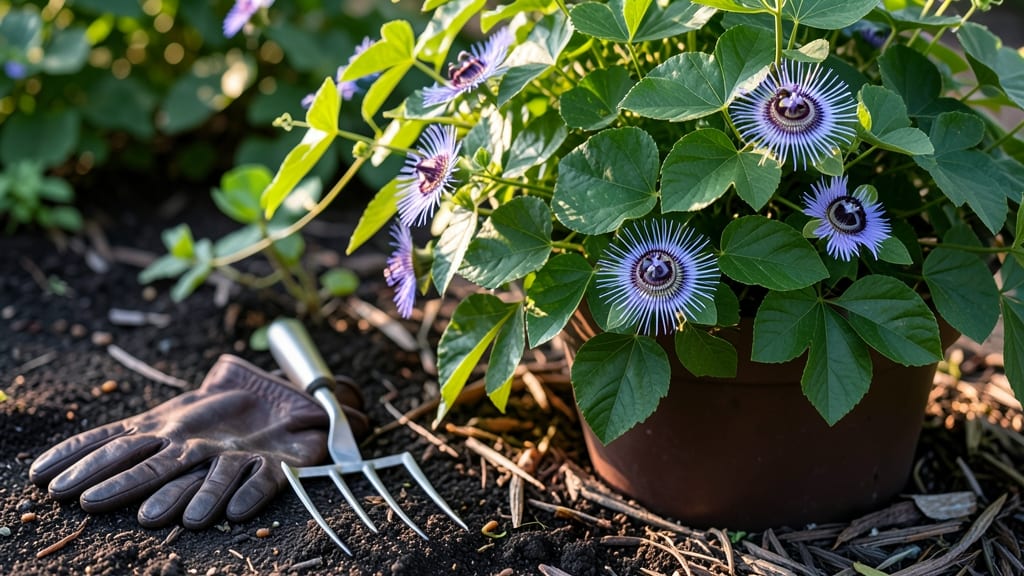
Big leaf weeds are the silent saboteurs of your garden’s health—especially when fungal blight lurks in the shadows. 🌱 I’ve watched copper spray turn the tide on stubborn dock and broadleaf weeds, saving my tomato plants from wilting just as they should be thriving.
The key isn’t brute force; it’s timing, technique, and knowing which weeds to prioritize before they steal nutrients meant for your prized veggies.
These weeds—dock, lamb’s quarters, or those sneaky broadleaf invaders—don’t just compete for space; they harbor diseases like fungal blight that jump to your crops. Pulling them by hand is a start, but copper spray (applied at the first sign of yellowing leaves) stops the spread before it begins.
Mulching with straw or cardboard smothers new sprouts, while a 3% vinegar spray (mixed with dish soap) zaps weeds without harming your plants—just don’t spray on sunny days or you’ll risk burning foliage.
By late spring, your garden will look like a well-behaved, blight-free paradise—no more wilting tomatoes or stunted growth. The secret? Act fast when weeds hit 2–3 inches tall, and always clean up fallen leaves where fungal spores hide.
Even my black thumb can’t mess this up once you know the rhythm.
Works for raised beds, in-ground plots, and container gardens alike—just adjust the spray volume for smaller spaces. Here’s how to make it happen without chemicals if you prefer, too.
Root Causes Of Leaf Overgrowth
When broad, leafy weeds suddenly dominate your garden or lawn, it’s often a sign of underlying conditions favoring their rapid spread. Understanding these triggers helps you address the problem at its source—before it gets worse. Here’s why these weeds take over, broken down by the most common causes.
Weeds with large, lush leaves thrive in damp, soggy soil because they require more water and nutrients than grasses or ground covers. Here’s how excess moisture fuels their growth:
- Compacted Soil: Heavy foot traffic, machinery, or clay-heavy soil prevents water from draining properly. Roots suffocate, and weeds like dandelions or plantain exploit the moisture-rich pockets.
- Overwatering: While some plants need consistent moisture, lawns and gardens often get too much water. This creates a perfect environment for weeds that outcompete shallow-rooted plants.
- Low-Lying Areas: Depressions in your yard or garden act as natural catch basins, trapping water and signaling weeds to sprout. Actionable fix: Improve drainage with sand, compost, or French drains.
💡 Pro Tip: Test your soil’s drainage by digging a 6-inch hole, filling it with water, and timing how long it takes to drain. If it’s slower than 6 hours, your soil is too compacted.
Weeds don’t just appear—they feed on imbalances in your soil. Large-leafed weeds often indicate:
- High Nitrogen Levels: Nitrogen-rich soil (common in over-fertilized lawns) encourages rapid, leafy growth—ideal for weeds like crabgrass or nutsedge. While nitrogen helps grass, it also signals weeds to spread aggressively.
- Low Organic Matter: Soil lacking compost or decomposed plant material struggles to retain moisture and nutrients. Weeds with deep roots (e.g., quackgrass) tap into deeper water sources, leaving your desired plants parched.
- pH Imbalances: Soil that’s too acidic (<5.0) or alkaline (>7.5) locks out essential nutrients. Weeds like clover or chickweed adapt to these conditions while your lawn’s grass weakens.
📊 Actionable Fix: Conduct a soil test (kits cost ~$20) to check pH and nutrient levels. Adjust with lime (for acidity) or sulfur (for alkalinity), and top-dress with compost to restore organic matter.
Weeds exploit gaps in your lawn or garden like sunlight through a broken window shade. When your grass or plants are sparse, weeds take over because:
- Competition Drops: A dense lawn smothers weeds by blocking sunlight. But thin patches (from drought, disease, or foot traffic) let weeds like broadleaf plantain or henbit germinate and spread unchecked.
- Sunlight Overload: Weeds with large leaves love direct sunlight. If your grass is patchy, weeds grow faster, creating a vicious cycle of shade that further weakens your lawn.
- Dormant or Stressed Plants: Fungal diseases (like brown patch or dollar spot) or insect damage kill grass, leaving bare spots. Weeds rush in to fill the void.
✨ Pro Tip: Overseed bare patches in early fall with a shade-tolerant grass blend (e.g., fine fescue) to outcompete weeds before they establish.
Not all weeds behave the same year-round. Large-leafed weeds often surge during:
- Spring & Fall: Mild temperatures and frequent rain create ideal germination conditions. Weeds like chickweed and dandelions sprout en masse when soil temps hover around 50–70°F.
- Humid Summers: Weeds with broad leaves (e.g., spotted knapweed) thrive in high humidity because their large surface area loses water quickly—requiring constant moisture to survive.
- Drought Followed by Rain: A dry spell weakens grass, but the first heavy rain triggers a weed explosion as dormant seeds germinate.
🎯 Actionable Fix: Preemptive control matters! Apply a pre-emergent herbicide in early spring (before weeds sprout) or use corn gluten meal (a natural pre-emergent) in fall.
Even well-maintained yards fall victim to weeds when physical disturbances create entry points:
- Construction or Landscaping: Digging for new plants, sidewalks, or driveways exposes fresh soil, bringing weed seeds to the surface. Proso millet and goosegrass often hitchhike on disturbed soil.
- Pet Activity: Dog urine (high in nitrogen) and pawing at the ground can create bare spots, while animal waste spreads weed seeds.
- Mowing & Trimming Mistakes: Cutting grass too short stresses it and leaves gaps. Avoid scalping! Keep mower blades at 3–4 inches to shade out weeds.
🔪 Fix It: After disturbing soil, cover bare areas with mulch or a living ground cover (like creeping thyme) to block light and prevent weed seeds from germinating.
Fixing Fungal Overgrowth Naturally
Fungal blight thrives in damp, shaded conditions, turning your garden’s lush greenery into a battleground of unsightly, broad-leaved weeds. But with the right approach, you can reclaim your space—without harsh chemicals. Below, we map common causes to targeted fixes, plus proactive steps to keep fungal invaders at bay.
Fungal spores latch onto dense foliage where moisture lingers. If your garden or lawn feels suffocating, prune aggressively and improve airflow.
- 🔪 Trim back thick patches of plants, especially under trees or shrubs where shade traps humidity. - 🌿 Space out new plants by at least 12–18 inches to allow sunlight and breeze to circulate. - 🪓 Remove dead leaves and debris—these act as fungal incubators.
Compost them only if they’re disease-free.
💡 Pro Tip: Mulch with straw or wood chips (not thick layers of bark) to retain moisture without creating a damp mat. Keep mulch 2–3 inches deep.
Fungal blight loves soggy soil. If your yard holds water after rain or irrigation, redirect excess moisture and adjust your watering habits.
- ⏰ Water in the morning (before 10 AM) to let foliage dry by evening.
Avoid overhead sprinklers—use soaker hoses or drip irrigation instead. - 🚧 Improve drainage by aerating compacted soil (rent a core aerator or spike with a garden fork). - 🌧️ Install a French drain or swales in low-lying areas to channel water away from plant roots.
✨ Prevention Hack: Sprinkle perlite or coarse sand into potting mixes to boost drainage, especially for container plants prone to fungal outbreaks.
If you’ve already spotted dark, greasy patches or yellowing leaves with black edges, copper-based fungicides are your best defense. They’re organic, fast-acting, and preventative.
🔥 Step-by-Step Copper Spray Application 1. 🛒 Choose the right product: Look for copper sulfate pentahydrate (1–2% concentration) or copper hydroxide. Follow label rates (typically 1–4 lbs per 100 gallons of water). 2. 🌧️ Mix on a cloudy day or evening—direct sunlight can burn leaves.
- 🍂 Apply thoroughly: Spray both sides of leaves and the soil surface (fungi often hide there). Use a hose-end sprayer for large areas.
- 📅 Reapply every 7–14 days (or after heavy rain) until new growth appears healthy.
🔥 Caution: Wear gloves and avoid spraying edible plants within 24 hours of harvest (copper residues can linger).
Greenhouses, shaded patios, and humid climates create fungal paradises. Break the cycle with these tweaks:
- 🌡️ Install a fan or ventilation system in greenhouses to reduce humidity below 60%.
- ☀️ Prune to let sunlight in—even partial shade can encourage fungal growth.
- 🌿 Choose resistant plants: Swap susceptible varieties (like hostas or impatiens) for fungal-resistant alternatives (e.g., daylilies, lavender, or sedum).
🎯 Long-Term Fix: Install shade cloth (30–50%) if full sun isn’t an option—it reduces humidity while still allowing light.
- 🌿 Monthly inspections: Check undersides of leaves and soil for early signs of fungal growth.
- 🍂 Seasonal cleanup: Rake up fallen leaves in fall and sterilize tools with rubbing alcohol between uses.
- 🌱 Soil boost: Amend garden beds with compost + mycorrhizal fungi to strengthen plant immunity.
💪 Remember: Consistency is key. Fungal blight won’t vanish overnight, but with copper sprays, airflow upgrades, and smart watering, you’ll starve it out—permanently. Start today, and watch your garden bounce back!
Frequently asked questions about big leaf weeds
What are the most common big leaf weeds I’ll find in my garden?
Look for dock, lamb’s quarters, and broadleaf plantain—these are the top offenders with large, broad leaves. Dock has arrow-shaped leaves, while lamb’s quarters resemble spinach but grow aggressively. Plantain has thick, oval leaves close to the ground. All three thrive in moist, nutrient-rich soil.
How do I tell if big leaf weeds are spreading fungal blight?
Check for yellowing leaves with dark spots or black edges—classic signs of fungal blight. If the leaves feel slimy or have a greasy sheen, that’s another red flag. Fungal spores love damp conditions, so if your garden stays soggy after rain, you’re at higher risk. Remove infected plants immediately and apply copper spray to prevent spread.
Is vinegar safe to use on big leaf weeds, and how strong should it be?
Yes! A 3% vinegar solution mixed with 1 tablespoon of dish soap per gallon works well for spot treatment. Spray directly on weeds (avoid edible plants) on a cloudy day to prevent burning. For stubborn weeds, reapply every 3–5 days until they wilt. Vinegar breaks down quickly, so it’s an eco-friendly option—but it won’t penetrate deep roots.
When is the best time of year to tackle big leaf weeds?
Spring and fall are ideal—weeds are young and easier to pull when soil is moist but not waterlogged. In spring, target weeds before they seed (around 50–70°F soil temps). In fall, focus on late summer to early fall when weeds are still actively growing but before winter dormancy. Avoid treating in extreme heat or drought, as stressed weeds may regrow.
Can mulching actually help prevent big leaf weeds long-term?
Use 2–3 inches of straw or wood chips to block sunlight and smother weed seeds. Organic mulch also improves soil as it breaks down. For stubborn weeds, lay down cardboard or newspaper first (no glossy ink), then top with mulch. Just keep mulch away from plant stems to prevent rot and improve airflow.