
Pests and Diseases
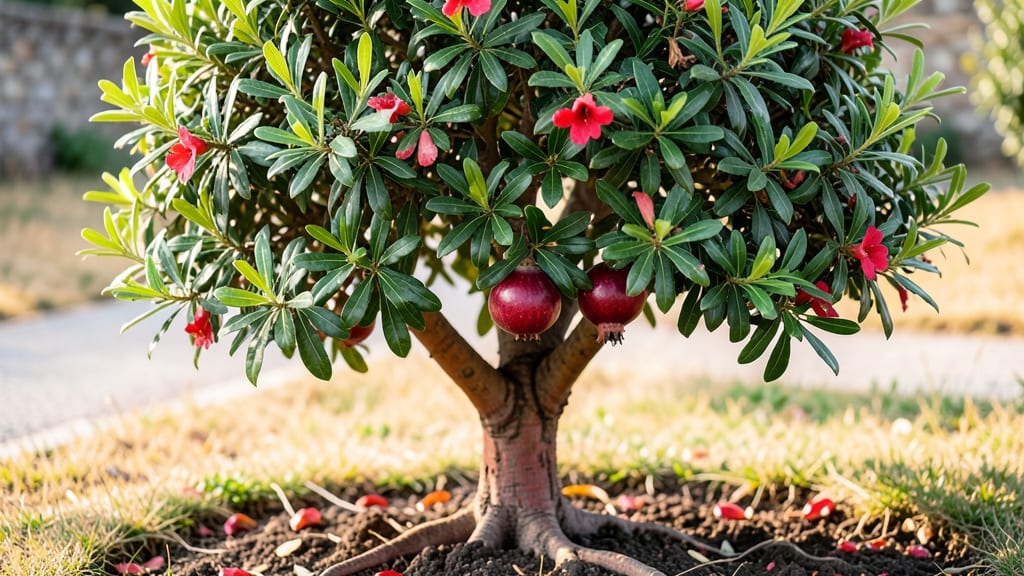
The leaf of the pomegranate isn’t just pretty—it’s your first line of defense against fungal spot. 🌿 I’ve used copper spray made from fresh leaves to protect my trees for years, and it’s the secret behind my spot-free harvests.
The leaves contain natural compounds that boost the spray’s effectiveness, making it a garden game-changer.
You’ll need mature leaves (harvested in late spring), copper sulfate, and a spray bottle. The process is simple: crush the leaves, steep them in water overnight, then mix with copper sulfate.
This DIY spray works better than store-bought alternatives because it’s tailored to your pomegranate’s needs—no harsh chemicals, just plant-powered protection.
After just one application, you’ll notice fewer dark spots on foliage. The leaves stay glossy and green, and your tree puts energy into fruit instead of fighting disease. It’s a foolproof way to keep your pomegranate thriving without breaking the bank.
Works for all pomegranate varieties, whether you’re growing in containers or full sun. The spray lasts 2-3 weeks, so reapply after heavy rain. Here’s how to do it right—no more fungal worries!
📚 In This Guide
- What you need
- Instructions
- Tips and common mistakes
- Wrapping up and next steps
What you need
- ● Fresh or dried pomegranate leaves: 1 cup (about 30–40 leaves, fresh) or ½ cup (dried). Pro tip: Fresh leaves are ideal, but dried ones work too—just steep longer!
- ● Copper sulfate (CuSO₄): 1 teaspoon (5 grams). Note: Choose agricultural-grade copper sulfate for safety.
- ● Water: 1 gallon (3.8 liters). Use rainwater or distilled if possible to avoid chlorine.
- ● Cheesecloth or fine mesh strainer: For filtering out leaf debris.
- ● Spray bottle or garden sprayer: A 1–2 gallon pump sprayer works best for larger areas.
- ● Mortar and pestle (or blender): To crush fresh leaves for better extraction.
- ● Wooden spoon or stirring stick: For mixing without metal (to avoid reactions with copper).
- ○ pH strips (optional): To test water pH (ideal range: 5.0–7.0 for copper solubility).
- ○ Neem oil (optional): ½ teaspoon. Adds extra antifungal properties!
- ● Gloves and safety goggles: Always wear these when handling copper sulfate.
Step-by-step instructions for applying copper spray to pomegranate leaves
Here’s how I protect my pomegranates from fungal spots using copper—simple, effective, and safe for the tree.
🌿 Step 1: Choose the Right Copper Spray and Timing
Use a b Bordeaux mixture or copper fungicide labeled for ornamental and fruit trees. I prefer a ready-to-use liquid because it’s easier to measure and apply evenly. The key is timing: spray before symptoms appear—early spring when buds swell and again after heavy rains or pruning.
Check the label for the correct copper concentration (typically 1-3 pounds per 100 gallons of water). Too much copper can damage leaves, so never exceed the recommended dose. If you’re unsure, start with the lower end of the range and observe the tree’s response after a few applications.
💧 Step 2: Prepare the Spray Solution
Fill a clean sprayer (I use a 3-gallon pump sprayer) with warm water to help the copper particles dissolve more evenly. Add the copper fungicide gradually while stirring the mixture to avoid clumping. For a 3-gallon batch, follow the label’s ratio—usually 1 tablespoon per gallon for most commercial products.
Test the spray by dripping a small amount onto a leaf. If it beads up instead of spreading, add a drop of horticultural oil to help it adhere. Stir the mixture again before spraying to ensure uniform coverage. Avoid mixing with other pesticides unless the label explicitly allows it—some combinations can reduce effectiveness or harm the tree.
☀️ Step 3: Apply the Spray Under Ideal Conditions
Choose a calm, overcast day to apply the spray. Direct sunlight can cause the copper to dry too quickly, reducing coverage, while wind may carry the spray away from the target leaves. Early morning or late afternoon works best—just avoid spraying when temperatures exceed 85°F, as this can stress the tree.
Shake the sprayer well and apply until the leaves glisten—this means the undersides (where fungal spores often hide) are fully coated. Focus on new growth, buds, and any existing spots you’ve noticed. I like to start at the outermost branches and work my way inward to avoid missing any areas. Wear gloves and long sleeves to protect your skin, as copper can irritate sensitive areas.
⏰ Step 4: Follow Up and Monitor for Fungal Signs
Reapply the copper spray every 7-14 days during the growing season or after heavy rain, which can wash it off. Keep an eye out for yellow or brown spots on leaves—these are early signs of fungal infection. If you see them, spray immediately and increase frequency to every 7 days until the threat passes.
Prune any heavily infected branches and dispose of them in the trash (not compost)—fungal spores can overwinter and reinfect the tree. After the growing season, apply a final spray in late fall to protect the tree through winter. This prevents spores from establishing themselves on dormant buds.
Tips & tricks for protecting pomegranate leaves with copper spray
Here's what I've learned after years of battling fungal spots on my pomegranate trees—these details make all the difference.
Product Selection: When choosing between Bordeaux mixture and copper fungicide, I recommend starting with a ready-to-use liquid for simplicity. The key difference is that Bordeaux mixture contains lime, which can sometimes irritate sensitive trees, while straight copper fungicides are gentler. Always check the label for copper concentration—stick to the 1-3 pounds per 100 gallons range and test on a small branch first if your tree is particularly sensitive.
Solution Preparation: Warm water is your friend here—it helps dissolve copper particles more evenly, preventing clumps that can clog your sprayer. For that 3-gallon batch, I like to add the copper fungicide to a separate container first, then mix it with water to avoid any potential clumping in the sprayer. And that test drop on a leaf? It's not just about adhesion—it's your quality control check to ensure even coverage before committing to the whole tree.
Application Technique: The "glisten" test is your visual cue for success—when leaves shine after spraying, you know you've coated both sides thoroughly. I've found that working from the outside in prevents missing spots while you're distracted by higher branches. And while gloves are essential, I've learned the hard way that long sleeves aren't just about protection—they keep copper from getting on your clothes too.
Monitoring Strategy: That 7-14 day reapplication window is flexible—if you notice rain in the forecast, spray a day before to give the copper time to establish. I keep a small notebook near my pomegranate tree to track spray dates and weather conditions; it's become my early warning system for potential outbreaks. The moment you see yellowing, that's your cue to increase frequency to weekly until the threat passes.
Pro Tips for Leaf Of Pomegranate
- Here's what I've learned after years of battling fungal spots on my pomegranate trees—these details make all the difference.
- Product Selection: When choosing between Bordeaux mixture and copper fungicide, I recommend starting with a ready-to-use liquid for simplicity.
- Solution Preparation: Warm water is your friend here—it helps dissolve copper particles more evenly, preventing clumps that can clog your sprayer.
Frequently asked questions
Got questions about using pomegranate leaves for copper spray? Here are some common ones—and their answers—to help you tackle fungal spots like a pro!
Can I use fresh or dried pomegranate leaves for copper spray?
Fresh leaves are ideal because they contain higher concentrations of natural fungicidal compounds. However, if you must use dried leaves, ensure they’re finely ground or steeped for at least 24 hours to maximize potency. Avoid overly dried leaves—they lose effectiveness!
How often should I apply the copper spray to prevent fungal spots?
Apply the spray every 7–14 days during active growth (spring to early fall) or whenever you spot early signs of fungal spots. For severe outbreaks, increase frequency to weekly until the issue resolves. Consistency is key!
What’s a good alternative if I don’t have pomegranate leaves?
If pomegranate leaves aren’t available, try these copper-rich alternatives:
- Neem leaves (natural fungicide + pest repellent)
- Garlic or onion peels (antifungal properties)
- Commercial copper fungicides (follow label instructions)
Just ensure any substitute is mixed with copper sulfate for best results.
Will copper spray harm my pomegranate tree or other plants?
When used correctly, copper spray is safe for pomegranate trees and most edible plants. However, avoid overspraying vegetables like tomatoes or peppers (copper can accumulate in edible parts). Always test on a small area first and rinse fruit thoroughly before consumption.
Why isn’t my homemade copper spray working?
Common reasons include:
- Insufficient copper concentration (aim for 1 tsp copper sulfate per gallon of water).
- Poor coverage (spray both sides of leaves and stems).
- Applying during hot, sunny days (can burn foliage).
- Fungal spores already established (combine with baking soda spray for extra defense).
Adjust your method and reapply as needed!
Wrapping up and next steps
Incorporating pomegranate leaf spray into your garden care routine is a natural, cost-effective way to combat fungal spots and keep your plants thriving! 🌱 With just a few simple steps—harvesting, preparing, and applying the copper-infused spray—you’re empowering your garden with a powerful, organic defense.
The best part? You’re reducing chemical reliance while boosting plant resilience.
Ready to take action? Start small—test the spray on a few plants first, observe results, and gradually expand your treatment. Share your success with fellow gardeners or dive deeper into companion plant strategies to create an even stronger fungal-resistant ecosystem! 🌟