
Pests and Diseases
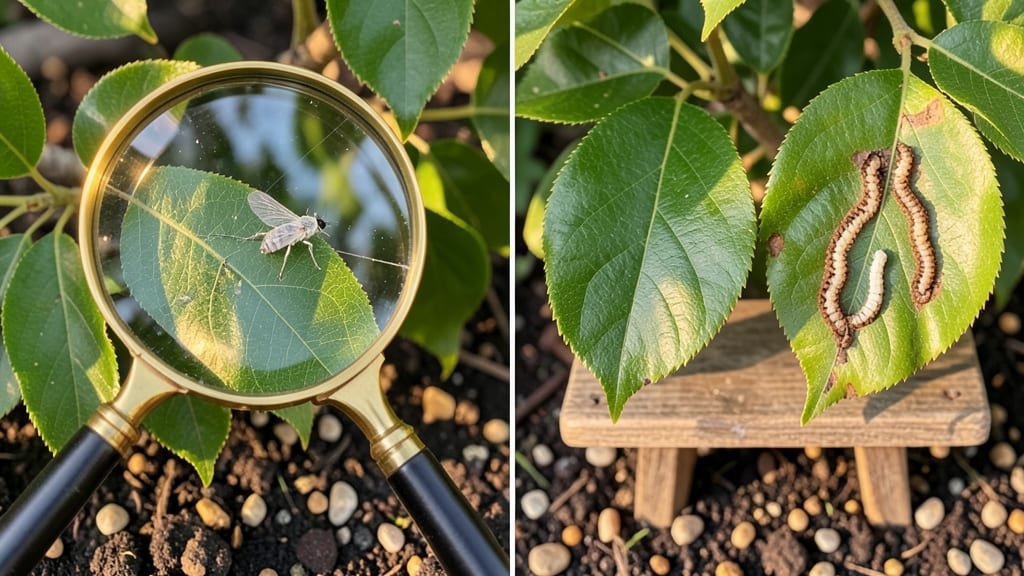
Leaf mining flies turn your plants' leaves into serpentine tunnels of destruction—unless you catch them early. 🌿 I've seen firsthand how these tiny pests can strip a garden of its beauty in weeks, but with the right approach, you can stop them before they take over.
The damage starts small: pale, winding trails that expand into brown, dead patches. These flies lay eggs on leaves, and their larvae create those telltale mines as they feed. The good news?
Healthy plants bounce back if you act fast, and organic controls like neem oil or row covers work better than you'd think. You'll learn to spot the signs early, disrupt their life cycle, and protect your plants without harsh chemicals.
By the end, your garden will look like it did before the infestation—maybe even better, since we'll talk about preventive care too. This works for veggies, ornamentals, and even houseplants. Let's get your garden back to thriving!
The Hidden Triggers Behind Leaf Damage
Leaf mining flies—tiny but destructive—don’t just appear out of nowhere. Their presence is often the result of specific environmental and plant-related factors that create the perfect conditions for infestation. Understanding these triggers is key to preventing future outbreaks.
Below, we break down the core causes behind why these pests target your plants, so you can address the root issues before they strike again.
Healthy plants are naturally resistant to pests, but when they’re stressed, they become prime targets for leaf mining flies. These flies are attracted to plants that are already compromised by:
- Nutrient deficiencies: Lack of nitrogen, phosphorus, or potassium weakens cell walls, making leaves easier to penetrate. Test your soil—if pH is off (too acidic or alkaline) or nutrients are imbalanced, flies will exploit the opportunity.
- Water stress: Overwatering (leading to root rot) or underwatering (causing drought stress) both signal distress to pests. Leaf miners thrive in plants that can’t bounce back quickly.
- Physical damage: Broken leaves, pruning wounds, or hail marks create entry points. Flies lay eggs in these vulnerable spots, giving larvae a head start.
Actionable fix: Maintain balanced soil health with compost or organic fertilizers, and water deeply but infrequently to encourage strong root systems. 💡 Mulch around plants to retain moisture and reduce stress.
Leaf mining flies don’t discriminate—they target a wide range of plants, but some are especially appealing. Overcrowded gardens or monocultures (planting the same species repeatedly) create ideal conditions because:
- Limited airflow: Dense foliage traps humidity, which attracts flies. Poor ventilation also slows recovery if larvae do take hold.
- Preferred host plants: Flies favor young, tender leaves of plants like:
- Vegetables: Basil, beans, brassicas (kale, cabbage), and lettuce.
- Fruit trees: Stone fruits (peaches, plums) and citrus.
- Ornamentals: Roses, azaleas, and viburnum.
- New growth: Soft, emerging leaves are easier to mine than mature foliage. Flies time their egg-laying to coincide with spring flushes.
Actionable fix: Space plants for airflow, rotate crops annually, and prune regularly to remove weak or damaged growth. ✨ Interplant with repellent herbs like dill or mint to disrupt fly patterns.
Leaf mining flies are cold-sensitive but love warmth and moisture. Their lifecycle accelerates in:
- Greenhouse environments: Controlled heat and humidity create a 24/7 breeding ground. Flies can complete multiple generations in a single season.
- Post-rain periods: Damp soil and leaves signal ideal conditions for egg-laying. Larvae also desiccate quickly in dry heat, so they cluster in humid microclimates.
- Southern or coastal climates: Regions with long, warm growing seasons see earlier and heavier infestations.
Actionable fix:
- Use row covers or shade cloth in greenhouses to moderate temperatures.
- Improve drainage to reduce soil moisture retention.
- Monitor humidity with a hygrometer—aim for 40-60% relative humidity.
🌡️ Early morning inspections (when dew is present) help spot new egg-laying sites before larvae hatch.
Once leaf mining flies find a host, they return year after year. Even if you’ve treated an infestation, these pests leave behind:
- Overwintering larvae: Some species pupate in soil or plant debris, emerging as adults the following spring.
- Contaminated soil: Frass (larval waste) and dead mines can harbor fungal or bacterial growth, attracting more flies.
- Established food sources: If your garden is a known buffet, flies will navigate back using scent trails.
Actionable fix:
- Remove all infested plant debris and till the soil (if organic) to disrupt pupation sites.
- Disinfect tools and containers to avoid spreading eggs.
- Rotate plant families yearly to break the cycle.
🔥 Solarize soil in late summer by covering it with clear plastic for 4-6 weeks to kill overwintering pests.
Quick Fixes for Garden Pests
Discovering leaf mining flies in your garden can feel like a setback, but with the right approach, you can restore your plants to health—without harsh chemicals. The key is acting fast and targeting the root cause.
Below, we’ve mapped out practical solutions based on the most common triggers, from larval infestations to environmental factors. Each fix is designed to be easy to implement, whether you’re a seasoned gardener or just starting out.
If you’ve spotted serpentine trails or blistered leaves, larvae are likely the culprit. These tiny pests tunnel through foliage, weakening plants over time. Here’s how to evict them:
- 🍳 Handpick and destroy: Early detection is your best defense. Inspect leaves daily (especially undersides) for white maggots. Drop them into soapy water or crush them—do not toss them back into the soil, as they’ll pupate and return.
- 👨🍳 Prune and remove: Cut away heavily infested leaves and dispose of them in a sealed trash bag. Avoid composting, as larvae can survive and reinfest.
- 🥘 Spray with neem oil: Mix 1 tbsp neem oil + 1 tsp mild soap in 1 quart of water. Spray directly on larvae (they’re visible as tiny white worms). Reapply every 5–7 days until no new mines appear. Pro tip: Spray in the early morning or late evening to avoid harming beneficial insects like bees.
Leaf mining flies thrive in moist, nutrient-rich soil—ideal conditions for their eggs to hatch. Adjusting your garden’s environment can make it less inviting:
| Cause | Solution |
|---|---|
| Overly wet soil | Improve drainage by adding compost or perlite to heavy soil. Water plants at the base (not overhead) to reduce humidity on leaves. 💡 Tip: Mulch with straw or pine needles to retain moisture without creating a breeding ground. |
| Excess nitrogen | Switch to a balanced fertilizer (e.g., 10-10-10) or use organic amendments like kelp meal. Avoid fresh manure, which attracts flies. ✨ Bonus: Plant nitrogen-fixing cover crops (like clover) to naturally regulate soil nutrients. |
| Poor airflow | Thin out dense foliage or stake plants to improve circulation. Avoid overcrowding—leaf miners love shaded, damp spots. 🎯 Goal: Aim for 6–12 inches of space between plants for airflow. |
The best offense is a strong defense. Once you’ve tackled the current problem, these steps will help keep leaf mining flies at bay:
- 🌡️ Monitor with yellow sticky traps: Place traps near affected plants to catch adult flies before they lay eggs. Replace traps every 2 weeks.
- 🔪 Introduce natural predators: Encourage parasitic wasps (like Chrysocharis species) by planting dill, fennel, or caraway. These wasps lay eggs in leaf miner larvae, killing them naturally.
- 🌱 Rotate crops and plants: Avoid planting susceptible crops (like beets, spinach, or celery) in the same spot yearly. Flies target familiar hosts.
- 🍂 Clean up debris: Remove fallen leaves, plant residue, and weeds from your garden bed. These provide shelter for pupating larvae. 💡 Pro move: Solarize soil in late summer by covering it with clear plastic for 4–6 weeks to kill overwintering pests.
With these targeted strategies, you can reclaim your garden in weeks—without resorting to chemical sprays. The key is consistency: combine immediate action (like handpicking larvae) with long-term prevention (like soil amendments and traps). Your plants will thank you with healthier leaves and stronger growth! 🌱
Frequently asked questions
How do I tell if my plants have leaf mining flies?
Look for pale, winding trails between leaf veins—these are the larvae feeding inside. Infested leaves may also turn brown or blister. Check the undersides of leaves for tiny white maggots (1/8-inch long) moving around. Early signs include slight yellowing or transparent patches before the tunnels become obvious.
Will my plants recover after leaf mining flies are gone?
Yes, but it depends on how severe the damage is. Healthy plants often regrow new leaves once larvae are removed. Prune heavily damaged foliage to redirect energy to fresh growth. For young plants or seedlings, recovery may take longer—consider protecting them with row covers until new growth appears.
Are leaf mining flies harmful to humans or pets?
No, these flies don't bite or sting humans or pets. The larvae are plant-specific and won't harm animals. However, avoid eating leaves with visible mines—they can harbor bacteria from larval waste. Always wash produce thoroughly before consumption, even if it looks clean.
How often should I apply neem oil for leaf miners?
Apply neem oil every 5-7 days until you stop seeing new mines. For severe infestations, add 1 teaspoon of mild soap per quart to help it stick to leaves. Spray in the early morning or evening to avoid harming bees. Reapply after rain, as water washes it off.
Can I use row covers to prevent leaf mining flies?
Lightweight floating row covers (made of fine mesh) block adult flies from laying eggs while allowing sunlight and water through. Install them at planting time for best results. Remove covers when plants flower to allow pollinators access. This works especially well for vegetable gardens like beans or brassicas.