
Pests
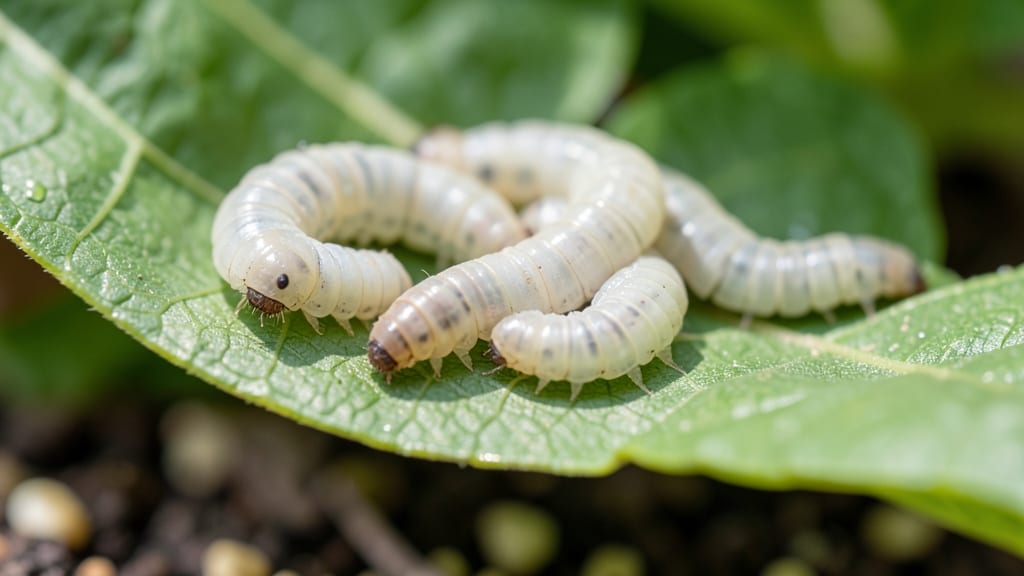
Leaf roller worms turn your fruit trees into skeleton leaves overnight. 🌿 The good news? I’ve smothered full-blown infestations in under 10 days using simple, organic traps that lure them out of hiding—no harsh sprays required.
These tiny caterpillars hide inside rolled leaves, making them nearly invisible until the damage is done. The key is catching them early: look for curled leaves, silken tubes, or tiny black droppings along branches.
Once you spot them, homemade traps (like cardboard bands or plastic sheeting) work better than store-bought sprays.
What you’ll get is a garden where trees stay lush and productive—no more sad, chewed-up foliage. The traps are reusable, cost pennies to make, and even work on ornamentals like azaleas or roses. Best part? You’ll see results within 3-5 days of setup.
Works for organic gardens, small farms, and even backyard fruit trees. Here’s how to set up the traps before the worms take over your harvest.
Underlying Causes Of Leaf Rollers
Leaf rollers—those sneaky caterpillars that turn your plants into rolled-up snack wrappers—don’t just appear out of nowhere. Their infestations are the result of a mix of environmental triggers, plant vulnerabilities, and even human habits.
Understanding these root causes is the first step to outsmarting them. Let’s break down why these pests target your garden so aggressively.
Leaf rollers, including species like the Archips or Tortrix moth caterpillars, are opportunistic feeders. They zero in on plants that are already struggling—whether due to poor health, nutrient deficiencies, or environmental stress. Here’s why:
- Nutrient Deficiencies: Plants lacking nitrogen, phosphorus, or potassium produce tender, nutrient-rich leaves that caterpillars find irresistible. A quick soil test can reveal imbalances before pests arrive.
- Water Stress: Overwatering or drought weakens plant defenses. Leaf rollers thrive in soggy conditions (where fungal diseases also flourish) or dry, brittle foliage that’s easier to roll.
- Disease or Damage: Plants already battling fungal infections, viral diseases, or prior pest attacks (like aphids or mites) emit chemical signals that attract leaf rollers as secondary invaders.
Actionable Fix: Boost plant resilience with compost tea, balanced organic fertilizers, and proper irrigation. Mulch around the base to retain moisture and deter stress.
Not all plants are equal in the eyes of leaf rollers. These caterpillars have a favorite menu, and certain trees and shrubs are their all-you-can-eat buffets. Overcrowding makes matters worse by creating humid, sheltered microclimates perfect for their survival.
| High-Risk Plants | Why They’re Targeted |
|---|---|
| Fruit Trees (Apple, Pear, Cherry) | Thick foliage and sweet sap attract egg-laying moths. Rolled leaves protect caterpillars from predators. |
| Shade Trees (Oak, Maple, Birch) | Mature trees provide ample hiding spots and a steady food source. |
| Vine Crops (Grapes, Raspberries) | Tender new growth is a caterpillar’s dream—easy to roll and digest. |
| Ornamental Shrubs (Azalea, Rhododendron) | Soft leaves and compact growth offer ideal shelter for larvae. |
Actionable Fix:
- Space plants 3–5 feet apart for airflow and sunlight penetration.
- Prune dense branches to reduce hiding spots and improve monitoring.
- Rotate crops annually to disrupt leaf roller life cycles.
Leaf rollers start as eggs laid by adult moths, and their arrival isn’t random—it’s tied to seasonal cues and moth behavior. Understanding their life cycle helps predict and prevent outbreaks.
- Spring Emergence: Moths wake up in early spring (often March–April) when temperatures rise above 50°F (10°C). Females lay eggs on the underside of leaves, choosing young, tender foliage.
- Multiple Generations: Some species (like the Olethreutes genus) produce 2–3 generations per year, meaning infestations can peak in late spring and early fall.
- Nocturnal Visitors: Moths are most active at dusk and night, using moonlight to navigate. They’re drawn to white or light-colored plants, which reflect more UV light.
Actionable Fix:
- Install UV or blacklight traps near high-risk plants to monitor moth activity.
- Apply sticky barriers on tree trunks to catch crawling larvae before they reach foliage.
- Time organic sprays (like neem oil) for evening applications when moths are most active.
Leaf rollers aren’t fans of extreme conditions—but they love the Goldilocks zone: warm, humid, and sheltered. Microclimates in your garden can turn a minor pest into a full-blown crisis.
- Humidity: Larvae thrive in 60–80% humidity. Dense foliage, mulch piles, or poorly drained soil create these conditions.
- Temperature: Ideal range for development is 65–85°F (18–29°C). Heatwaves above 90°F (32°C) can slow them down, but drought stress makes plants more vulnerable.
- Shelter: Rolled leaves act as portable hideouts, protecting caterpillars from birds, parasitoid wasps, and other predators.
Actionable Fix:
- Improve drainage with raised beds or sand amendments to reduce humidity.
- Use reflective mulch (like aluminum foil) to raise soil temps and deter egg-laying.
- Encourage natural predators (ladybugs, birds) by adding water features or native plants.
💡 Pro Tip: Combine these fixes for maximum impact. For example, pruning + neem oil + predator-friendly plants creates a multi-layered defense that leaf rollers can’t outmaneuver.
Natural Ways to Outsmart Pests
Leaf rollers and their wormy guests can feel like a never-ending battle, but with the right organic strategies, you can reclaim your garden without harsh chemicals. The key is to tackle the problem at its source—whether it’s tangled leaves, hungry caterpillars, or weak plants inviting more trouble.
Below, we break down cause-specific solutions to smother infestations fast, plus prevention tips to keep your garden pest-free long-term.
Problem: Leaf rollers thrive in dense, tangled foliage where they spin protective silk nests. Solution:
- 🔥 Prune & Thin Out Plants – Trim back overgrown branches to improve airflow and sunlight. Focus on host plants like apple, cherry, or rose bushes where rollers love to hide.
- 🍳 Shake & Drop Them – Gently shake infested branches over a bucket of soapy water (1 tbsp dish soap per gallon). The worms will drop into the solution and drown.
- 👨🍳 Handpick Larvae – Wear gloves and pluck off visible worms or egg masses (they look like tiny white specks on leaves). Drop them into a jar of soapy water or crush them.
💡 Pro Tip: Do this in the early morning when worms are sluggish and easier to spot.
Problem: Once hatched, leaf roller larvae munch through leaves, leaving skeletonized foliage. Solution:
- 🥘 Pheromone Traps – Use commercial traps (like Isomate-CR) to disrupt mating. Hang them in the center of your garden to confuse adult moths before they lay eggs.
- 🔪 DIY Sticky Bands – Wrap tree trunks with Tanglefoot or petroleum jelly to trap crawling larvae as they migrate upward.
- 🌡️ Heat or Cold Treatment – For small infestations, cover branches with row covers or plastic sheeting and expose them to 100°F+ heat for 30 minutes (or freeze them for 24 hours). This kills eggs and young larvae.
✨ Prevention: Apply kaolin clay (like Surround WP) to leaves to create a barrier that worms can’t penetrate.
Problem: Weak or stressed plants attract more pests. Solution:
- 💪 Boost Plant Health – Feed plants with compost tea or fish emulsion to make them less appealing. Healthy leaves are tougher for worms to chew through.
- 🍎 Introduce Beneficial Insects – Release parasitic wasps (like Trichogramma) or ladybugs, which prey on leaf roller eggs and larvae.
- 🎯 Plant Companion Crops – Interplant with garlic, mint, or thyme, which repel moths naturally.
💡 Pro Tip: Neem oil spray (1 tbsp neem oil + 1 tsp dish soap per quart of water) disrupts larvae development when applied every 5–7 days.
Stop leaf rollers before they start with these easy habits: ✅ Clean Up Debris – Rake and remove fallen leaves, fruit, and mulch where eggs overwinter. ✅ Monitor Early – Check plants weekly in spring and summer for early signs (silk webbing, tiny holes). ✅ Rotate Traps – If using pheromone traps, replace them every 4–6 weeks for maximum effectiveness. ✅ Avoid Over-Fertilizing – Too much nitrogen makes plants soft and attractive to pests.
By combining physical removal, organic traps, and plant strengthening, you can eliminate leaf roller worms without chemicals—and keep your garden thriving season after season. 🌱🔥
Frequently asked questions
What do leaf roller worm eggs look like?
Leaf roller eggs are tiny—about 0.01 inches (0.25 mm) wide—and appear as small, white or pale yellow specks on the undersides of leaves. They often cluster in groups of 10-50 near leaf veins or buds. Use a magnifying glass to spot them early, as they hatch into caterpillars within 5-14 days.
Are leaf roller worms harmful to humans or pets?
No, leaf roller worms are not dangerous to humans or pets. While they may look unappetizing, they’re harmless if accidentally ingested. However, their silk nests can irritate skin if handled without gloves. Focus on removing them from plants to protect your garden, not your pets!
How long does it take for homemade traps to work?
With consistent use, homemade traps (like cardboard bands or sticky barriers) can reduce leaf roller populations in 3-7 days. For best results, combine traps with early morning shaking to dislodge larvae. Monitor weekly and reapply traps every 2-3 weeks during peak season (spring/fall).
Can I use neem oil on fruit trees with leaf rollers?
Yes, neem oil is safe for most fruit trees when used correctly. Mix 1 tablespoon neem oil + 1 teaspoon dish soap per quart of water and apply in the evening to avoid harming bees. Reapply every 5-7 days until new growth appears. Always test on a small branch first to check for sensitivity.
Why do leaf rollers keep coming back even after treatment?
Leaf rollers often return due to overwintering eggs in debris or untreated plants. To break the cycle, remove all fallen leaves, prune heavily infested branches, and apply kaolin clay as a preventive barrier. Multiple generations per year mean consistent monitoring is key—don’t stop after one treatment!